BepiColombo reaches Mercury as community tools reshape space
After eight years in flight, ESA's BepiColombo probe nears Mercury while open-source projects and new research expose the software and cultural gaps in modern space exploration.
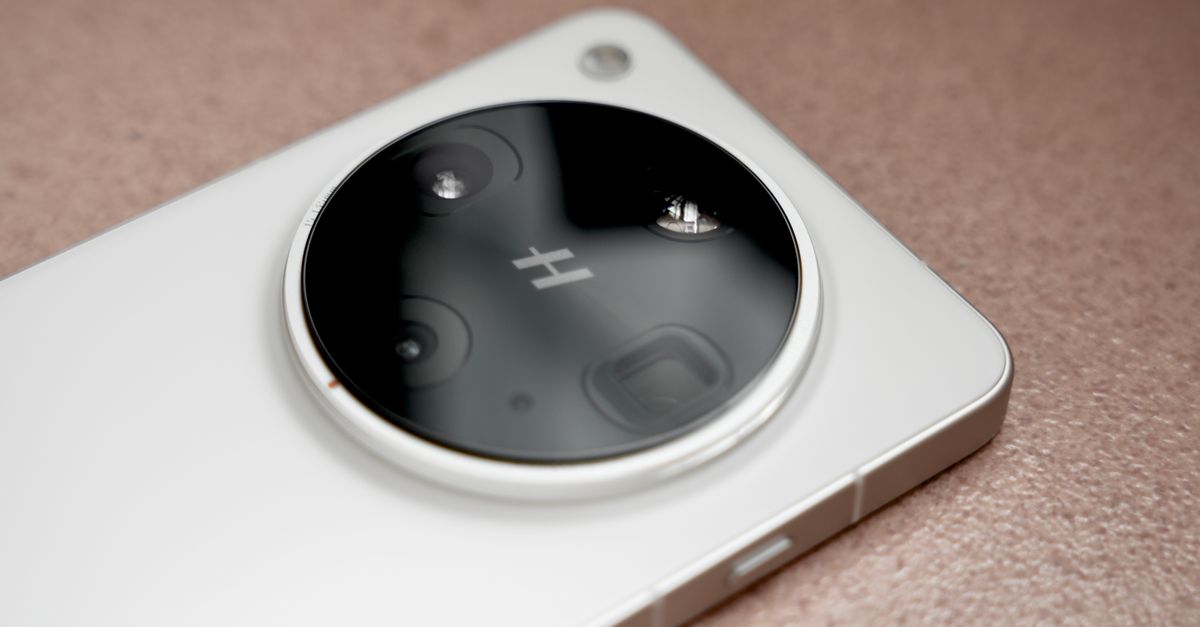
iFixit’s teardown reveals a variable aperture and a display repair flaw; iOS 27 adds 30+ speed tweaks; Duo forces app recompilation; Pro Max’s battery size triggers new shipping rules.
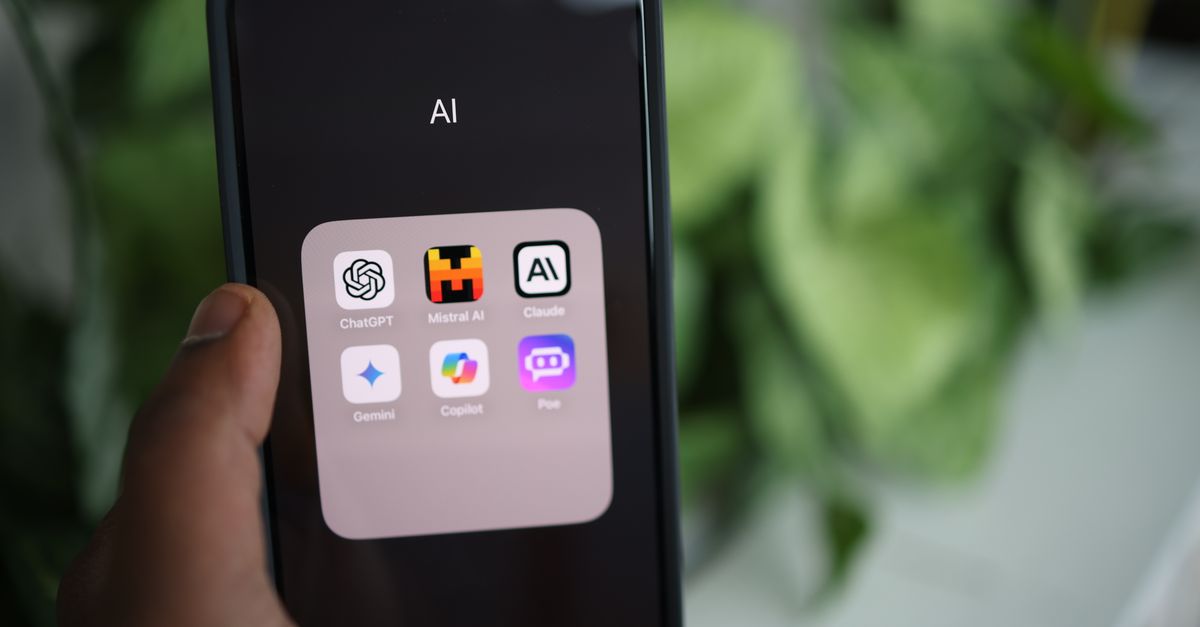
Google rolls out Health 5.08 and a Gemini‑powered Remembered tab in Find Hub, tightening AI across Android.
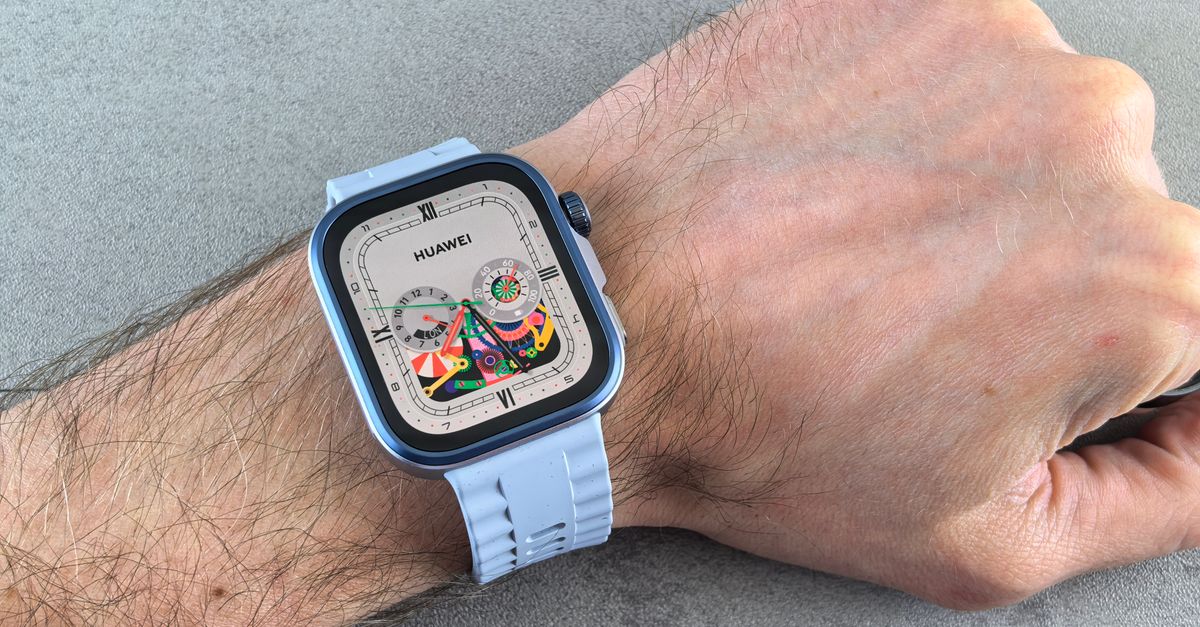
Apple drops a four‑week TV premiere marathon, launches Watch Ultra 4, Series 12 and AirPods 5, and faces app and listening concerns with the upcoming iPhone Duo.
AFK lets iOS and Android phones control a Mac for coding, touting zero‑server data path and encrypted DTLS‑SRTP links.
Apple unveiled new MacBook Neo sales data, upcoming iPhone 18 Pro displays, iPhone Ultra features, Vision Pro surgery use, and watchOS 27 changes, highlighting shifting priorities.
Michael Dell recounts a failed 1990s pitch by Steve Jobs to ship Mac OS X on Dell PCs, exposing the strategic stakes behind the missed partnership.
Motorola details Android 17, Nothing’s beta stalls, Samsung promises 7‑year updates, and Android 14 adds new APIs, reshaping the Android fragmentation debate.
Waymo unveils a custom robotaxi chip, China orders Tesla to fix 3 million cars, Android Auto and Automotive diverge, and Siri’s CarPlay chatter gets a mute option.
Dan Luu’s essay argues that modern hardware makes software latency unnecessary, sparking a heated HN debate and prompting a look at real‑world optimization lessons.
A rundown of recent Hacker News threads on a Claude feature request, Unsloth's GGUF release, Opus 5.0's incoherence issue, and a blog on extensible software for LLMs.
Researchers used an AI tool in under 20 prompts to expose a Zoom flaw that let any call participant execute code on another's device, now patched.
Mid‑July Hacker News highlighted a directory for RSS fans, a cost‑masking UI change at Cursor, and a retro assembly book, reflecting community appetite for niche tools.
From ripgrep crashes to bloated NAS firmware, Go generics, and Servo's slow‑roll browser fixes, the ecosystem wrestles with reliability and complexity.
OpenAI and Anthropic's AI speed, a CareCloud breach, pricey phone cases, and Gemini Spark's Chrome browsing update illustrate rising tech stakes.
New AI personal trainer, ad‑free Ars Pro, and a 3‑D mockup generator illustrate how indie apps are betting on subscriptions and real‑time feedback.
The 2025 IOCCC results, a new tokenomics study, and a serverless platform prototype illustrate evolving tensions in programming practice and research.
Apple unveils iOS 27 at WWDC, adding dark mode, revamped Health, Maps, and watchOS App Store support while tightening its native app ecosystem.
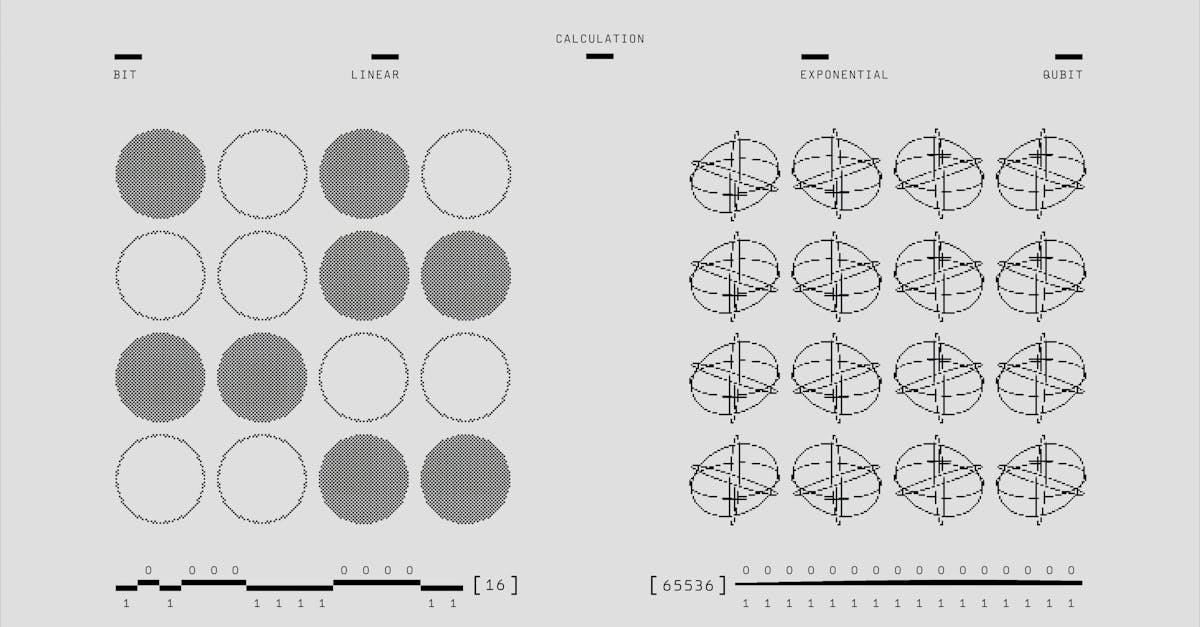
Microsoft, Atom Computing, and EeroQ share quantum progress; Dashlane’s advisory omits key facts; Plex adds social layers; new Zig UI framework and nutrition site launch.
A blog shows the open‑source Gemma‑4 LLM operating on a 2016 Xeon, sparking debate over hardware versus software in AI deployment.
A look at a Codex sudo workaround, Deflock's 100k ALPR map, creatine's brain boost, a pancreatic cancer pill that doubles survival, and why backpressure matters.
Antigravity 2.0 tops an OpenSCAD LLM test, Wozniak backs AI intelligence, Slumber adds a TUI HTTP client, and Cleve Moler passes away.
Apple’s iOS 27, unveiled at WWDC, may abandon four iPhone models and focuses on a deep code cleanup to improve battery life and AI features.
A look at SpaceX's twelfth Starship flight, Colorado's open‑source age‑verification bill, Starbucks cup recycling data, and a stalled developer tool.
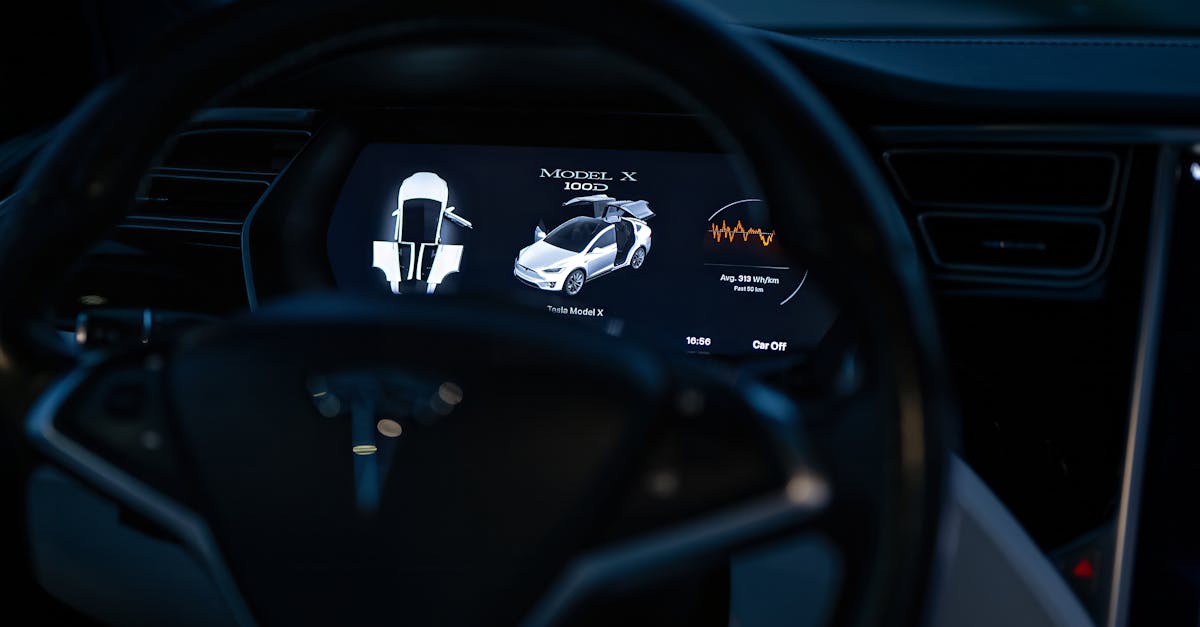
Tesla expands its Full Self-Driving add‑on to the Netherlands and Lithuania, while its software business eyes $1.5 billion in revenue this year.
Security claims against Microsoft Bitlocker and IPsec tools highlight critical infrastructure risks.
Toyota will remanufacture cars three times, Stellantis pours €30bn into software, and Nio rolls out Europe’s first five‑minute battery swap as raw material prices squeeze margins.
Fresh installs expose systems to zero‑day flaws, data theft claims, and a security talent gap that big‑tech funding alone can’t fix.
Zig’s new anti‑AI contribution policy draws sharp reactions on Hacker News and highlights broader tensions over machine‑written code.