

Dell’s missed Mac OS X deal reveals Jobs’ cross‑platform gamble

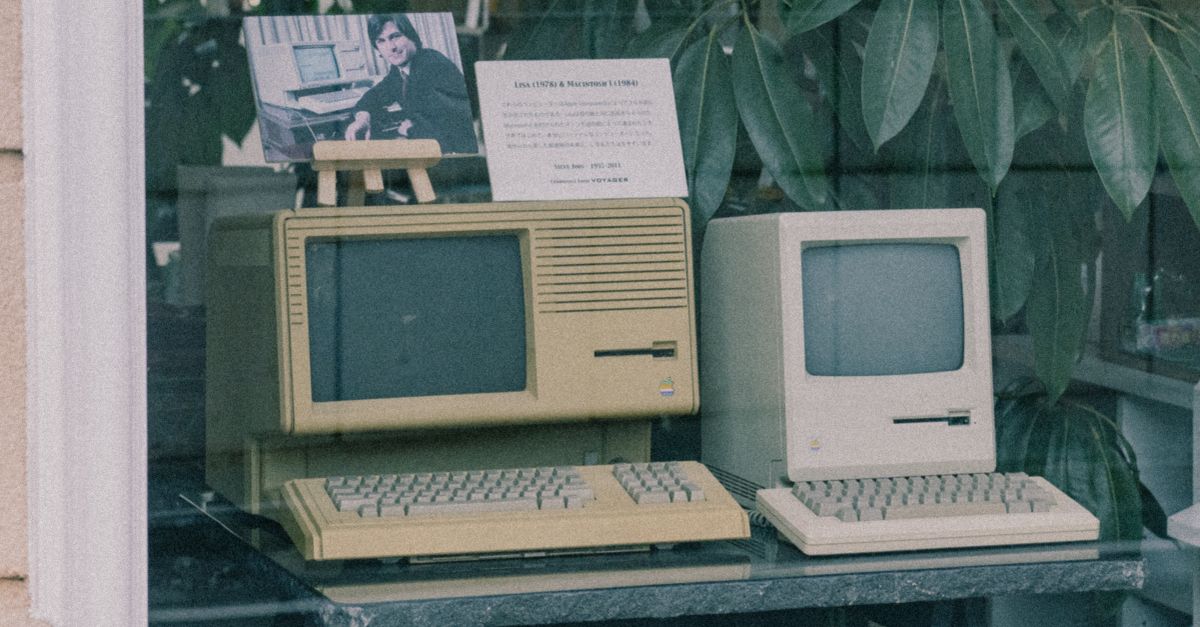
Photo by Derek Xing on Pexels
The deal that never happened
Steve Jobs once tried to put Mac OS X on Dell’s low‑priced Intel PCs, but the partnership fell apart before a single unit shipped.
Michael Dell, now 56, details the episode in the memoir Play Nice But Win released this week. He says Jobs approached Dell while the latter was still building a reputation for cheap, fast‑selling machines. Jobs wanted Dell to license the Mac operating system and pre‑install it on those PCs, essentially turning Dell into a Windows‑free Apple distributor. The proposal surfaced in the late 1990s, when Apple was still clawing back from near‑bankruptcy and needed a foothold in the mainstream PC market.
Dell’s recollection adds a human layer: a teenage infatuation with the Apple II, a $1,298 price tag in 1979, and a habit of tearing machines apart to understand them. By the time he met Jobs at a user group, the two had become friends, despite the press’s portrayal of them as arch‑rivals. Dell calls Jobs “a brilliant entrepreneur, a savvy marketer, a dreamer and an idealist” and quotes him saying, “Anybody who’s going to do something amazing has to have a somewhat different and unconventional approach.” That rapport made the licensing pitch plausible, even if it was ultimately doomed.
Why the partnership mattered
If Dell had shipped Macs on Intel hardware, the personal‑computer landscape could look very different today. Mac OS X, built on a Unix foundation, would have reached a far larger user base much sooner, potentially eroding Microsoft’s dominance in the mid‑2000s. Dell’s low‑cost, high‑volume channel might have given Apple a revenue stream comparable to the $150 million Microsoft cash infusion in 1997, which saved Apple from the brink.
The timing also mattered. In 1997, Jobs secured that Microsoft investment and granted a boost to Internet Explorer, but the Mac remained a niche premium product. A Dell partnership would have introduced a mass‑market price point, forcing developers to target a broader hardware base. That could have accelerated the adoption of Unix‑like environments on PCs, perhaps making Linux’s later rise less dramatic.
Jobs, Xerox PARC, and the myth of theft
The Dell episode sits alongside another persistent story: that Jobs stole the graphical user interface from Xerox PARC. A 2010 analysis on Hacker News dismantles that myth, pointing out chronological errors and the fact that Apple engineers already had their own GUI concepts before the famed 1979 PARC tour. Alex Soojung‑Kim Pang’s account, cited in the analysis, notes that the narrative of Jobs “ordering them copied” is more legend than fact.
What the PARC myth and the Dell deal share is a tendency to cast Jobs as either a ruthless appropriator or a visionary opportunist. The reality, as Dell’s memoir suggests, is messier. Jobs was willing to negotiate with a direct competitor, offering a licensing model that would have blurred the lines between Apple’s closed ecosystem and the open PC market. That willingness contradicts the image of a purist who guarded Apple’s software like a secret.
The strategic friction behind the failure
Both sides had reasons to walk away. Dell’s business model relied on thin margins and a hardware‑first approach; licensing a proprietary OS could have raised costs and complicated support. Apple, on the other hand, feared diluting the brand and losing control over the user experience. Jobs’s vision of a seamless hardware‑software marriage clashed with Dell’s emphasis on modular, upgradable machines.
The negotiation also occurred at a time when Intel‑based Macs were still a few years away. Mac OS X would not launch until 2001, and the first Intel‑based Macs appeared in 2006. Trying to ship a pre‑release OS on Dell hardware would have required a level of engineering coordination that Apple was not yet equipped to handle. The logistical hurdles alone may have been enough to kill the deal.
What to watch
Dell’s memoir will likely spark renewed interest in Apple’s missed cross‑platform opportunities. Investors should monitor whether Apple revisits licensing strategies for macOS on non‑Apple silicon, especially as the company’s own ARM transition gains momentum. At the same time, Dell’s resurgence in the high‑performance workstation market could create a new opening for a mutually beneficial software partnership. The next quarterly earnings call from either company may contain hints about whether the old idea is being reconsidered.
Updates
- 2026-09-07 — The Huawei Mate XT2 is the world’s first tri-panel foldable with a built-in privacy display (source)
Related Articles
Apple adds $5 monthly fee for iPhone Handoff on T‑Mobile
Apple bundles iPhone Handoff with iOS 27 but charges T‑Mobile users $5 a month, sparking debate over continuity costs and carrier lock‑in.
Apple’s Fall Blitz Mixes New Gear, TV Marathons
Apple drops a four‑week TV premiere marathon, launches Watch Ultra 4, Series 12 and AirPods 5, and faces app and listening concerns with the upcoming iPhone Duo.
Apple’s latest hardware moves expose divergent strategies
Apple unveiled new MacBook Neo sales data, upcoming iPhone 18 Pro displays, iPhone Ultra features, Vision Pro surgery use, and watchOS 27 changes, highlighting shifting priorities.