

Apple Watch Series 4 Turns Wrist Into FDA‑Cleared ECG Device

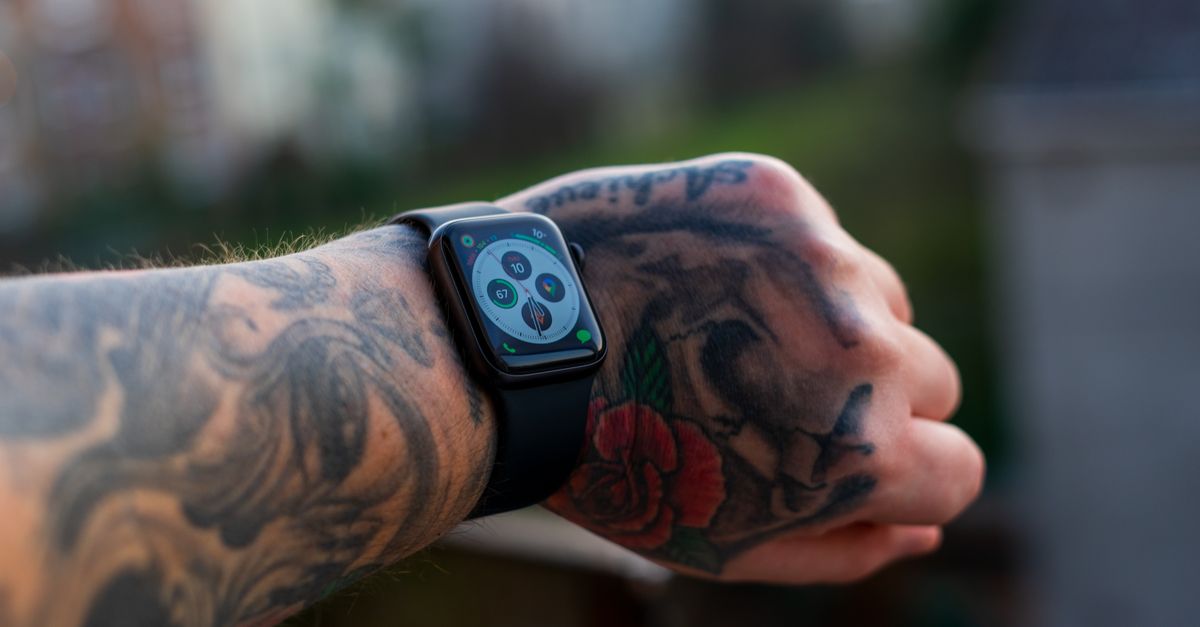
Photo by Ryan Grice on Pexels
Apple’s new Series 4 watch can record an electrocardiogram in 30 seconds and flag atrial fibrillation, a capability cleared by the FDA for over‑the‑counter sale. The move pushes the device from a fitness accessory into a regulated health tool.123456
The announcement came at Apple’s September event in Cupertino.1278 Jeff Williams, Apple’s COO, demonstrated the ECG app, showed a finger on the digital crown, and let the watch capture a heart‑rhythm reading.12 The Series 4 ships on September 21 for $399 (aluminum) and $499 with cellular.78 Pre‑orders began the Friday before the event.7
Health breakthrough on the wrist
Apple secured FDA clearance for the ECG and irregular‑rhythm notifications.12345 The clearance lets consumers buy the watch without a prescription.15 Apple became the first company to receive over‑the‑counter clearance for an ECG‑enabled smartwatch.45
The FDA’s statement highlighted the watch’s ability to detect atrial fibrillation and other rhythm disorders.123 Apple’s press release quoted FDA Commissioner Scott Gottlieb saying the device gives users more control over health information.123 The clearance follows a similar approval for AliveCor’s KardiaBand, which attaches to earlier Apple Watch models.5
How the watch actually measures your heart
Previous Apple Watch generations relied on green LEDs to infer pulse from blood‑volume changes. That method works for basic heart‑rate tracking but can be noisy on the wrist.
Series 4 adds two built‑in electrodes: one on the back of the case and one on the digital crown.14 When a user touches the crown with a finger, the watch passes a tiny current across the chest and records electrical signals directly.1 The algorithm classifies the rhythm as sinus, atrial fibrillation, or other irregularities.1
The entire test takes about 30 seconds.1 Results appear on the watch face and are stored in the Apple Health app, encrypted on the device and in iCloud.1 Apple said the data will sync to a user’s iPhone for later review by a physician.13
Market impact and competition
Apple’s health push rattled rivals. Fitbit’s stock fell more than 4 percent the day the Series 4 was unveiled. Analysts linked the dip to Apple’s expanding medical‑device credentials.
AliveCor’s KardiaBand, cleared by the FDA late last year, now faces direct competition from an integrated solution.5 The KardiaBand can also detect high potassium levels, a capability Apple has not yet announced.
IDC reported Apple held 17 percent of the global smartwatch market in Q2 2018, shipping 4.7 million units—about half a million more than Xiaomi and twice Fitbit’s volume. The new health features could widen that lead by attracting users who prioritize medical monitoring.
What’s next for Apple’s health agenda
Apple plans to roll out the ECG and irregular‑rhythm alerts later this year in the United States, with international releases to follow.4 The next hardware iteration, rumored as Series 12, is expected to add three new features at the September event, though details remain scarce.
Watch users should watch for a software update Apple promises to address a pending FTC inquiry. The update may influence the outcome of the appeal scheduled for early January.
What to watch: the timing of the ECG app’s global release, the regulatory response to Apple’s medical‑device claim, and any follow‑up hardware announcements that extend health monitoring beyond the heart.
Footnotes
Related Articles

Pixel Watch 5 pushes health tracking but drops key features
Google's Pixel Watch 5 adds AI‑driven health tools and faster performance, yet omits several expected features at launch.

Googlebook challenges Apple’s retail play as Mac Studio prices
Google’s $899 AI‑native laptop and Apple’s store‑first philosophy clash amid rising component costs and AI‑driven hardware bets.

Apple's rapid RC rollout pressures macOS developers
Apple released second release candidates for macOS Tahoe and Sequoia, while beta streams for Golden Gate and iOS 27.2 accelerate, sparking developer strain and highlighting ecosystem frictions.