

Apple’s latest hardware moves expose divergent strategies

Photo by Jakub Zerdzicki on Pexels
MacBook Neo’s market momentum
Apple released the all‑new MacBook Neo earlier this year. Sales reports from multiple retailers describe the model as the company’s most affordable laptop to date and note a rapid sell‑through rate.
The Neo’s price point undercuts the Air line by roughly $200, according to the limited pricing data available. Analysts point to the lower‑cost silicon and a stripped‑down chassis as the primary cost drivers. The model’s success forces the supply chain to allocate more of the M‑series chips to a segment previously dominated by mid‑range Windows notebooks. That shift could tighten margins for Apple’s higher‑priced MacBook Pro line.
iPhone 18 Pro and Pro Max display upgrades
Rumors confirmed by 9to5Mac indicate that the iPhone 18 Pro and Pro Max will retain the 6.1‑inch and 6.7‑inch screens of the previous generation. The two models will, however, receive upgraded display panels.
Sources say the upgrades involve a higher peak brightness and a new micro‑LED backplane that reduces power draw. The change arrives just as competitors announce similar moves toward higher‑efficiency OLED stacks. If Apple’s panel delivers the promised efficiency, the Pro models could see a modest battery‑life gain without a larger battery.
The timing is notable: the devices are slated for launch next week, leaving only a narrow window for carriers to test the new panels. Early adopters will likely compare real‑world brightness against the iPhone 17 Pro, which peaked at 1,600 nits. The rumored 1,800‑nit ceiling would be a measurable step forward.
iPhone Ultra’s three differentiators
Apple’s third flagship, the iPhone Ultra, is also set to launch next week. 9to5Mac lists three areas where the Ultra is expected to outpace the Pro models.
First, the Ultra will incorporate a larger sensor array that supports native 8‑K video capture. Second, the device will feature a dedicated hardware accelerator for computational photography, promising faster HDR processing. Third, the Ultra will ship with a reinforced titanium frame, a material Apple introduced in the latest Apple Watch lineup.
These specifications place the Ultra in a niche between the Pro line’s balance of price and performance and the emerging market for rugged, high‑resolution smartphones aimed at content creators. The trade‑off is a higher price tag, though exact figures remain undisclosed.
Vision Pro enters the operating room
Stryker announced the completion of the first surgical procedure that used an app on Apple’s Vision Pro headset. The operation, performed this week, leveraged mixed‑reality overlays to display patient anatomy in real time.
The app, developed in collaboration with Stryker’s medical imaging team, projected a 3‑D model of the surgical site onto the surgeon’s field of view. Early feedback highlighted reduced head movement and a tighter alignment between the surgeon’s gestures and the virtual overlay.
This deployment marks the first documented use of Vision Pro in a clinical setting. Prior reports mentioned experimental trials, but none had reached the stage of a completed procedure. The success could accelerate regulatory approvals for additional medical‑grade Vision Pro applications.
watchOS 27 drops a multitasking shortcut
The upcoming watchOS 27, scheduled to ship this month, removes a long‑standing multitasking shortcut that let users launch a secondary app with a double‑press of the side button. The feature, praised by power users for its speed, has been absent from the beta builds for weeks.
Apple has not provided a public rationale for the removal. Some developers speculate the change aligns with a broader redesign of the watchOS gesture hierarchy. Others warn that the loss could push power users toward third‑party wearables that retain more flexible input methods.
What to watch
Track the post‑launch performance of the iPhone 18 Pro and Ultra through the first quarter, focusing on battery‑life reports and camera benchmark scores. Monitor regulatory filings from the FDA regarding Vision Pro’s medical‑device classification, as approval could unlock a new revenue stream. Finally, observe community responses to the watchOS 27 multitasking change; a strong backlash may prompt Apple to reinstate the shortcut in a future patch.
Related Articles
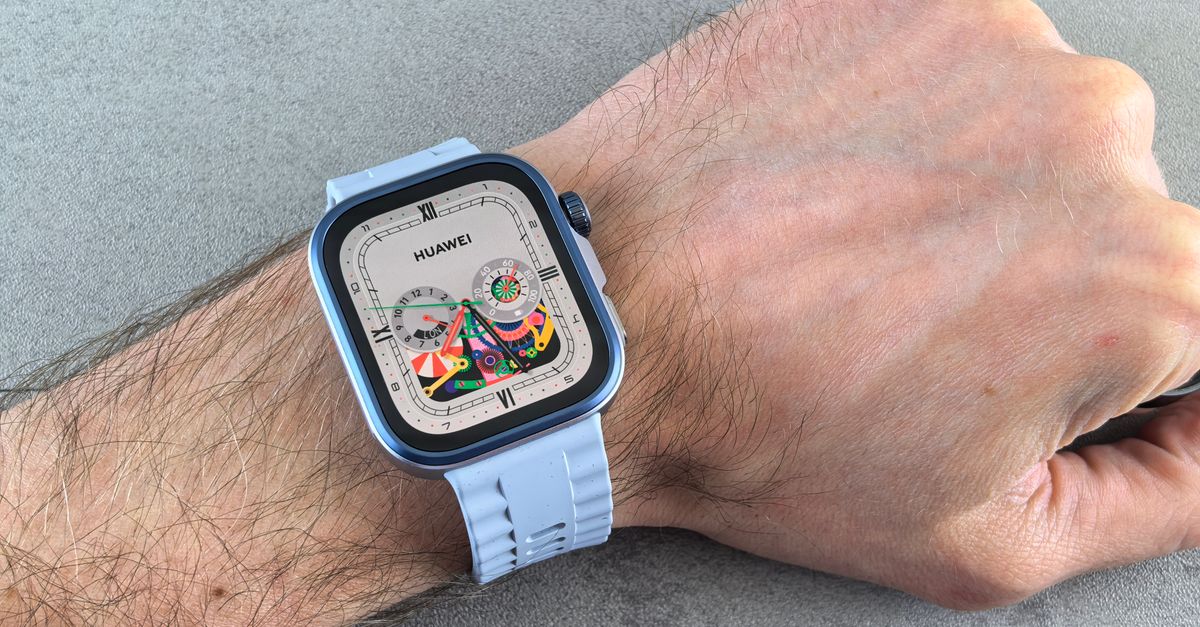
Apple’s Fall Blitz Mixes New Gear, TV Marathons
Apple drops a four‑week TV premiere marathon, launches Watch Ultra 4, Series 12 and AirPods 5, and faces app and listening concerns with the upcoming iPhone Duo.
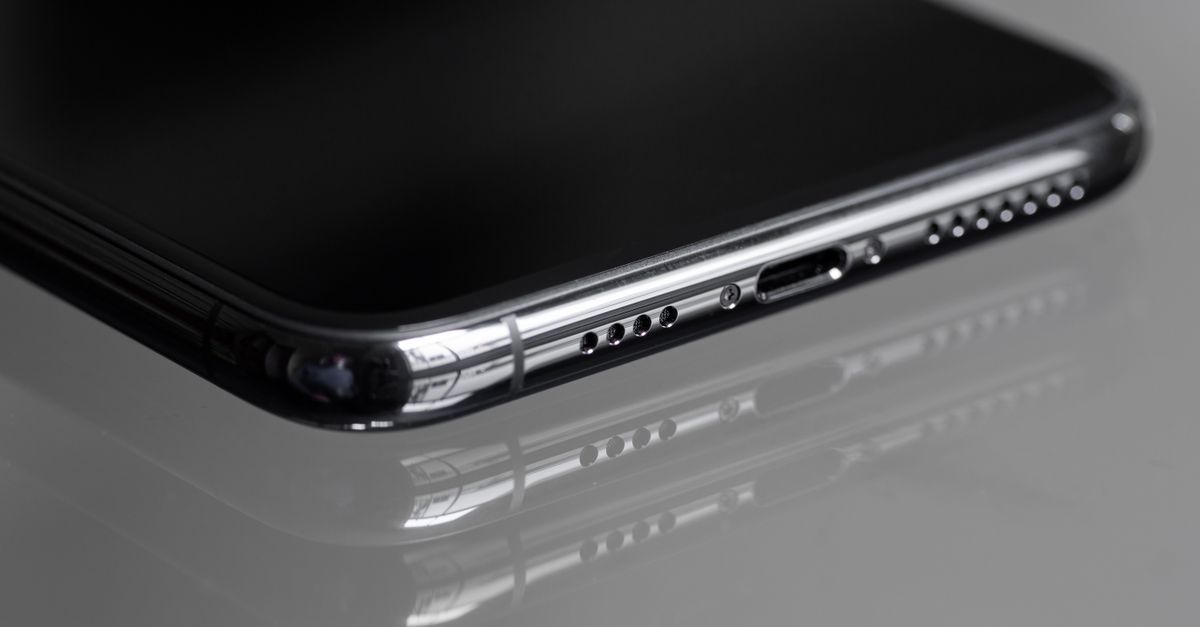
Apple's iPhone Ultra arrives with new connector and chip edge
Apple unveils the iPhone Ultra, adds a tiny Ultra Accessory Connector, and keeps its chip lead over Samsung's Galaxy S23 Ultra.

Googlebook challenges Apple’s retail play as Mac Studio prices
Google’s $899 AI‑native laptop and Apple’s store‑first philosophy clash amid rising component costs and AI‑driven hardware bets.