

New Android E‑Reader and Rugged Phone Arrive Amid Amazon Review

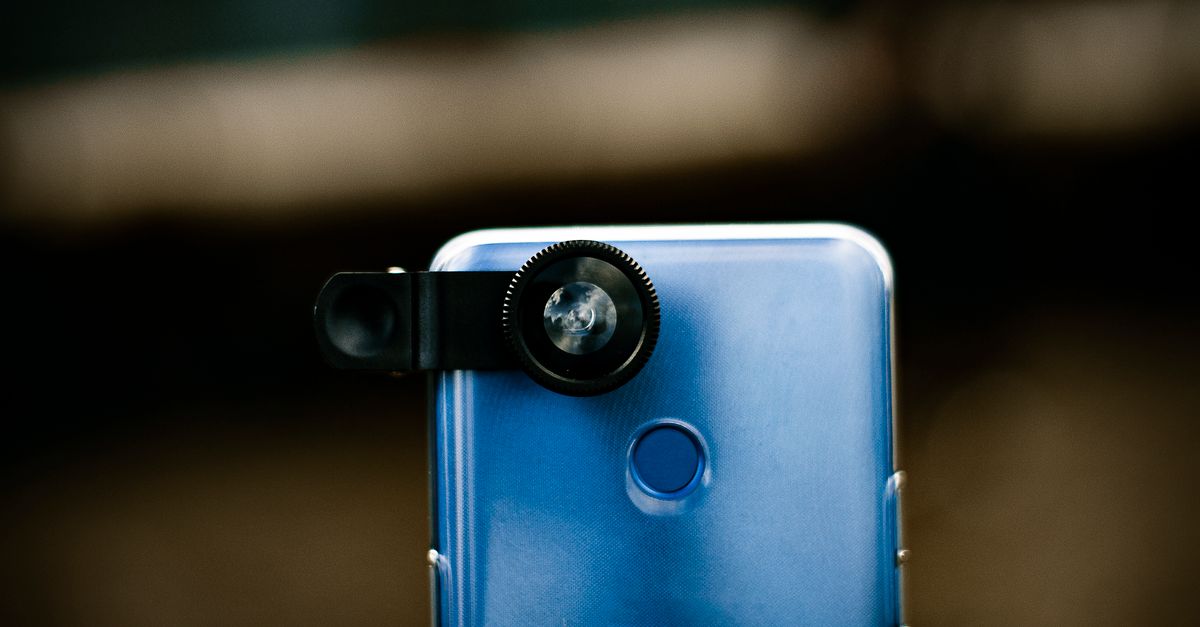
Photo by Nothing Ahead on Pexels
Boox Go 6 (Gen II) and RugOne’s latest rugged phone landed this week, but their real‑world value is clouded by a flood of dubious Amazon reviews.
The Boox Go 6 (Gen II) is an Android‑based e‑reader that lets users annotate directly in PDFs and e‑books. RugOne’s newest handset swaps a conventional rear lens for a detachable waterproof action cam that snaps off for use on a bike or a surfboard. At the same time, a 2019 Which? investigation revealed that dozens of lesser‑known tech brands on Amazon rely on fabricated five‑star reviews to gain visibility. The study flagged headphones as the worst offender, uncovering more than 10,000 unverified reviews across 24 headphone models, including a single brand, Celebrat, that amassed 439 five‑star ratings in a single day.
Hardware headlines
Boox’s second‑generation Go 6 pushes the Android e‑reading niche toward true note‑taking. The device runs a full Android stack, so users can install third‑party apps, yet it retains a paper‑like display that reduces eye strain. Early hands‑on impressions note that the note‑taking workflow feels natural, but the trade‑off is a heavier chassis compared with Kindle‑style readers.
RugOne’s phone follows a similar trade‑off logic. The removable action cam is waterproof and mounts to the phone’s back, turning the handset into a hybrid smartphone‑camera combo. Reviewers praise the flexibility for outdoor creators, but the extra bulk and the need to carry a separate waterproof housing for the cam raise practical concerns for everyday commuters.
The review reliability crisis
Which?’s 16 April 2019 report showed that fake reviews are not a fringe problem. Researchers scoured 14 different technology products and found that unverified purchasers supplied the majority of glowing feedback. In the headphone segment, a single product received over 400 five‑star reviews on the day it launched, a pattern that suggests coordinated posting rather than organic user sentiment.
Amazon’s response was to cite “strict guidelines” for sellers and reviewers, and to promise suspension or legal action against violators. A spokesperson warned that “even one inauthentic review is one too many.” The statement underscores the platform’s awareness but does little to reassure shoppers who rely on star ratings to cut through the noise of new hardware releases.
Aggregating expert scores
A separate effort on Hacker News tried to tame the chaos by crunching roughly 10 000 professional product reviews into a single score. The project posted updates from late July to late August 2026, with expert participation ranging from 60 to 392 reviewers per update. While the initiative does not claim to replace consumer reviews, it demonstrates a growing appetite for vetted, data‑driven assessments that can stand up to the fake‑review epidemic.
The expert‑score model aggregates qualitative judgments into a numeric rating, offering a transparent alternative to star counts that can be gamed. However, the approach still depends on the willingness of specialists to contribute their time, and it remains unclear whether the scores will gain traction among mainstream shoppers who are accustomed to scrolling through Amazon’s endless review pages.
What to watch
Consumers evaluating the Boox Go 6 or RugOne’s rugged phone should look beyond Amazon’s star rating and seek out independent hands‑on testing from sites that publish full methodology. The next wave of scrutiny will likely come from platforms that adopt the expert‑score framework, especially if they can publish the underlying data for each device. Tracking Amazon’s enforcement actions—particularly any public bans of the Celebrat headphone review spree—will also indicate whether the marketplace is tightening its grip on fraudulent feedback. Until then, the onus remains on buyers to cross‑reference multiple sources before trusting a five‑star claim.
Related Articles

Amazon’s Fake Tech Reviews Flood the Market
Which? uncovers thousands of bogus Amazon reviews for headphones and other tech, while new tools try to restore trust.
Motorola hints at wider Razr Fold as Apple rolls out iPhone Duo
Motorola teases a broader Razr Fold amid Apple’s iPhone Duo launch, sparking pricing wars and raising questions about the next foldable frontier.

Smartphone repair woes clash with EU rules, Apple fixes
EU repairability scores, Apple battery swaps, and malicious replacement parts expose a fragile repair ecosystem for phones.