

Tech giants slash jobs as AI and cost pressures mount


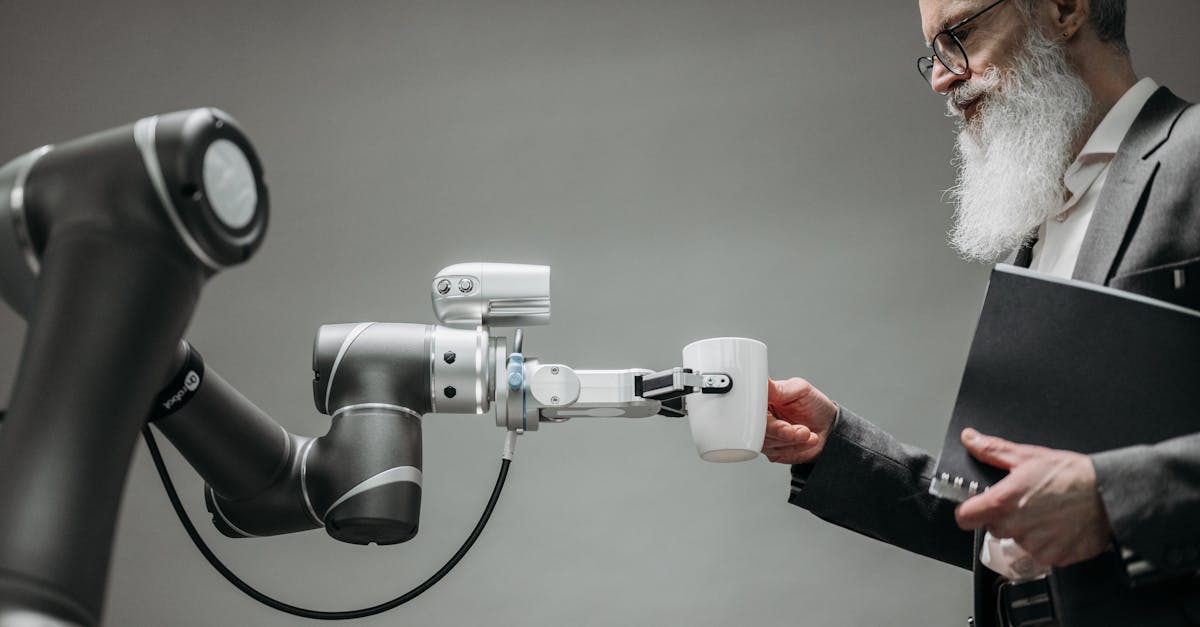
Photo by Mike van Schoonderwalt on Pexels
Volkswagen’s 50,000‑person retreat
The German automaker announced a 50,000‑job reduction as part of a “transformation program” that also threatens factories and brands. The move signals a shift from volume‑driven growth to a leaner, software‑first strategy.
Volkswagen disclosed the plan in a terse statement that paired layoffs with the possibility of shutting down production sites. The company did not name specific plants, but the scale of the cut suggests that multiple locations will feel the impact. Executives framed the effort as essential for survival, a phrase that rings louder in a market where electric‑vehicle roll‑outs have strained cash flows.
Industry analysts note that the cut is roughly 6 % of Volkswagen’s global workforce. That percentage is modest compared with the 20,000 jobs Meta shed last year, yet the absolute number dwarfs most recent auto‑industry reductions. The stakes are high: a prolonged downturn in Europe could force the group to sell off legacy brands, eroding its market share.
Critics argue that the program is a reaction to missed earnings targets rather than a proactive transformation. If the cuts bite too deep, suppliers and regional economies could suffer a secondary shock. The German labor ministry has not yet weighed in, but past interventions have forced automakers to renegotiate severance packages.
NS8’s leadership vacuum and rapid downsizing
A Las Vegas fraud‑prevention startup entered crisis mode after CEO Adam Rogas quit abruptly on Sept. 1. Within days, the board launched an internal investigation and announced a “significant downsizing” of its 200‑person staff.
NS8 confirmed the move on Friday, citing a need to trim headcount after the resignation. Spokeswoman Genevieve Haldeman said the company would cut a substantial portion of its workforce, though she stopped short of giving a precise figure. The announcement came alongside a statement from vice president of communications Jim Holborow that the board had opened an investigation into the company’s practices.
Rogas told the Review‑Journal that a Securities and Exchange Commission probe, which began in November 2019, had “little if anything to do with why people were let go.” He accused critics of using the SEC inquiry to paint a “more nefarious narrative” and shift blame. An SEC spokeswoman declined to comment, and the U.S. Attorney’s office also stayed silent.
The startup had just closed a $123 million venture round over the summer and expanded from 50 to over 200 employees in a single year. The rapid hiring spree now looks reckless in hindsight. Investors who poured money into NS8 will likely demand a clear plan for profitability, and the board’s investigation may become a litmus test for governance standards in fast‑growth SaaS firms.
Meta’s AI‑driven account overhaul rattles advertisers
Meta’s internal account teams have been whittled down to two or three people per advertiser, a stark contrast to the five‑to‑ten‑person squads that existed before the 20,000‑job layoff wave last year. The change arrived without notice to a senior CMO, who complained that the client’s entire account team had been overhauled and downsized.
The CMO’s agency executive responded that a live human at Meta was no longer necessary for every issue. “They felt like they deserved that team because of how much they spend with Meta, but had to admit they didn’t actually need it,” the exec said anonymously.
Marketers across the industry echo the frustration. One senior marketer at a consumer‑packaged‑goods firm admitted that the previous team “didn’t always have a clear impact on our business.” After the cuts, the same marketer said the account now relies on a handful of execs and a chat service for the rest of the support.
Elijah Schneider, CEO of Modifly, observed that Meta has been replacing reps and even data‑team functions with automation. “Both reps being replaced and the data team. Biggest one we have seen is within their lift studies. They automated these versus being managed by them,” he said.
The shift illustrates a broader trend: tech platforms are substituting human touchpoints with AI and chatbots to reduce costs. While the move trims payroll, it also raises questions about service quality for advertisers who still spend billions on the platform.
The broader fallout of AI‑enabled cost cuts
All three announcements share a common thread: AI and automation are being used as justification for deep workforce reductions. Volkswagen’s transformation program mentions “digitalization” as a pillar, while Meta openly replaces account managers with AI tools. NS8’s internal turmoil, though not framed as AI‑driven, still reflects a startup culture that pivots quickly under pressure.
Investors are watching the bottom line. Reducing headcount can improve short‑term earnings, but it also risks eroding institutional knowledge. In the auto sector, engineers and plant workers carry tacit expertise that cannot be replaced by software. In SaaS, product knowledge resides in the people who built the platform.
Regulators may also take note. The SEC’s lingering investigation into NS8, coupled with the abrupt leadership change, could prompt tighter scrutiny of disclosure practices in high‑growth tech firms. European labor agencies might intervene if Volkswagen’s plant closures trigger mass unemployment in certain regions.
From a technical standpoint, the promise of AI to handle routine tasks is real, but the execution is uneven. Meta’s chat service can field simple queries, yet complex campaign optimizations still require human insight. Companies that overestimate AI’s capabilities risk alienating their most valuable customers.
What to watch
The next quarter will reveal whether Volkswagen’s cuts translate into a faster rollout of electric models or simply a leaner balance sheet. NS8’s board will likely release the findings of its internal probe, and investors will gauge whether the startup can stabilize after the layoffs. Meta’s advertisers will test the limits of AI‑only support; any surge in churn could force the platform to rethink its staffing model. Tracking earnings calls, SEC filings, and European labor ministry statements will give the clearest picture of how these cost‑cutting strategies play out.
Related Articles

Xbox Logo Overhaul Signals Gaming Industry Shifts
Microsoft's new Xbox boot animation and layoffs at Build a Rocket Boy reveal deeper tech and entertainment trends
AI's Double-Edged Sword: The Hidden Wave of Job Displacement
While macroeconomic factors are broadly slowing tech hiring, companies like Snap are explicitly linking significant layoffs to AI-driven efficiency, revealing a nuanced employment crisis.

Googlebook challenges Apple’s retail play as Mac Studio prices
Google’s $899 AI‑native laptop and Apple’s store‑first philosophy clash amid rising component costs and AI‑driven hardware bets.