

AI race, data breach, and new browsing tool raise tech tension

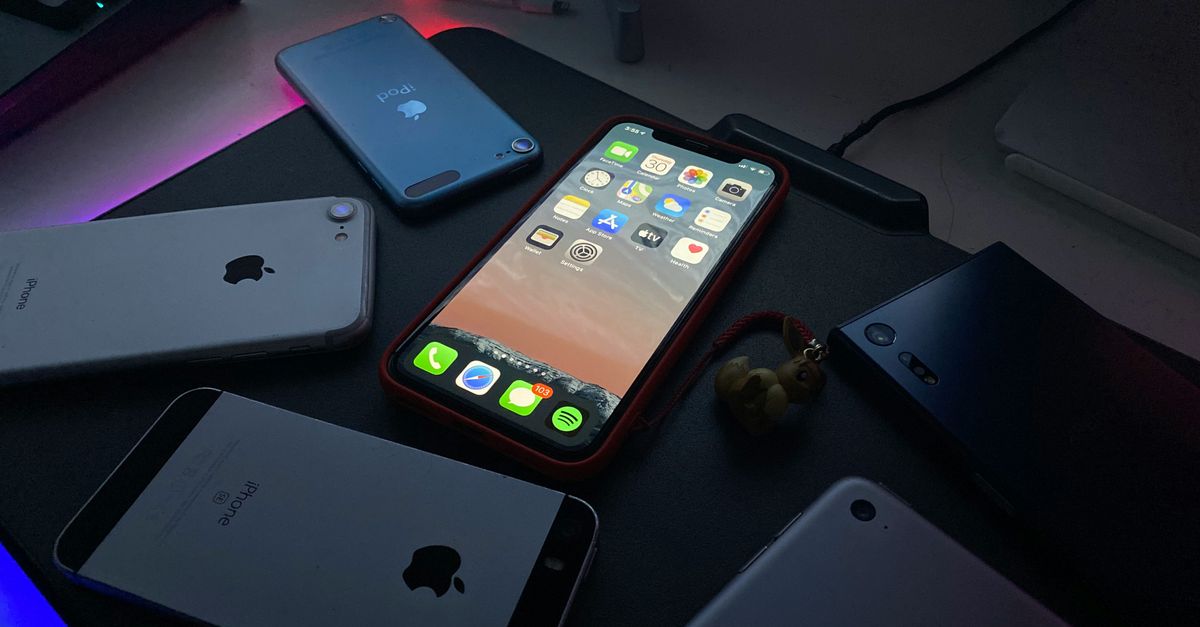
Photo by Jun Wai Chin on Pexels
AI speed outpaces oversight
Researchers say AI development is outpacing safety frameworks.123 A recent WIRED report notes that scholars fear the field is moving too fast for regulators to keep up.1243 Mark Zuckerberg added his own worry: ownership of powerful models may concentrate power in a few hands.5678 The same article highlights Black Forest Labs’ shift from software to robotics, suggesting the hardware side of AI is also accelerating.
The tension is not abstract. OpenAI and Anthropic are locked in a funding duel that forces each to push larger models faster.678 The race creates a feedback loop where compute spend, talent recruitment, and market hype reinforce one another. Critics argue that the speed advantage comes at the expense of rigorous testing. The industry’s internal narrative downplays risk, but external observers are raising alarms.12
CareCloud breach exposes health data fragility
CareCloud announced that hackers accessed a protected health data store, compromising records for hundreds of thousands of patients. The health‑tech firm, which aggregates vast amounts of patient information, began notifying affected individuals after the breach was confirmed.
The breach underscores the vulnerability of centralized health data platforms. While CareCloud’s security architecture is described as “protected,” the incident shows that even robust defenses can be bypassed. Industry analysts point to the growing incentive for cybercriminals to target health records, given their resale value on dark markets. The breach also raises questions about compliance with HIPAA and other privacy regulations.
Expensive phone cases: price vs protection
Engadget’s recent review of phone cases notes that price tags vary dramatically, but higher cost does not guarantee superior protection. The article explains that material choices, design tolerances, and manufacturing quality all influence performance, sometimes more than brand prestige.
Consumers often assume a linear relationship between cost and durability, yet real‑world drop tests reveal inconsistencies. A mid‑range polymer case can outperform a premium leather shell in shock absorption. The market therefore rewards nuanced decision‑making rather than blind spending. For power users who replace devices frequently, the cost‑benefit calculus may favor cheaper, replaceable options.
Gemini Spark adds Chrome auto‑browse, goes global
Google’s Gemini Spark received two major updates on the same day, according to 9to5Google. The first adds Chrome auto‑browse integration for desktop users, allowing the model to navigate web pages without manual prompting. The second expands AI Pro access to international markets, lifting previous geographic restrictions.
The auto‑browse feature blurs the line between assistant and autonomous agent. By issuing HTTP requests and parsing results, Gemini Spark can retrieve up‑to‑date information in real time. Critics caution that this capability may amplify misinformation risks if the model does not verify sources. The international rollout signals confidence in demand for premium AI tools beyond the United States.
What to watch
Regulators will likely scrutinize the AI race for signs of unsafe deployment, especially as models gain browsing autonomy. Watch for any formal guidance from the FTC or EU on AI ownership and accountability. In the healthcare arena, monitor CareCloud’s response to the breach and any class‑action filings that may follow. For consumers, track upcoming benchmark tests that compare phone case performance across price tiers. Finally, keep an eye on how Gemini Spark’s auto‑browse handles content moderation as it scales globally.
Footnotes
Related Articles
Gemma-4 runs on 2016 Xeon
A blog shows the open‑source Gemma‑4 LLM operating on a 2016 Xeon, sparking debate over hardware versus software in AI deployment.

Googlebook challenges Apple’s retail play as Mac Studio prices
Google’s $899 AI‑native laptop and Apple’s store‑first philosophy clash amid rising component costs and AI‑driven hardware bets.
Xiaomi MiMo 2.6, Grok 4.7, and a Wave of Mid‑Month Tech Setbacks
A roundup of Xiaomi's MiMo 2.6 launch, x.ai's Grok 4.7 update, NASA's Mars Sample Return cancellation, and other mid‑September tech headlines.