

Gemma-4 runs on 2016 Xeon

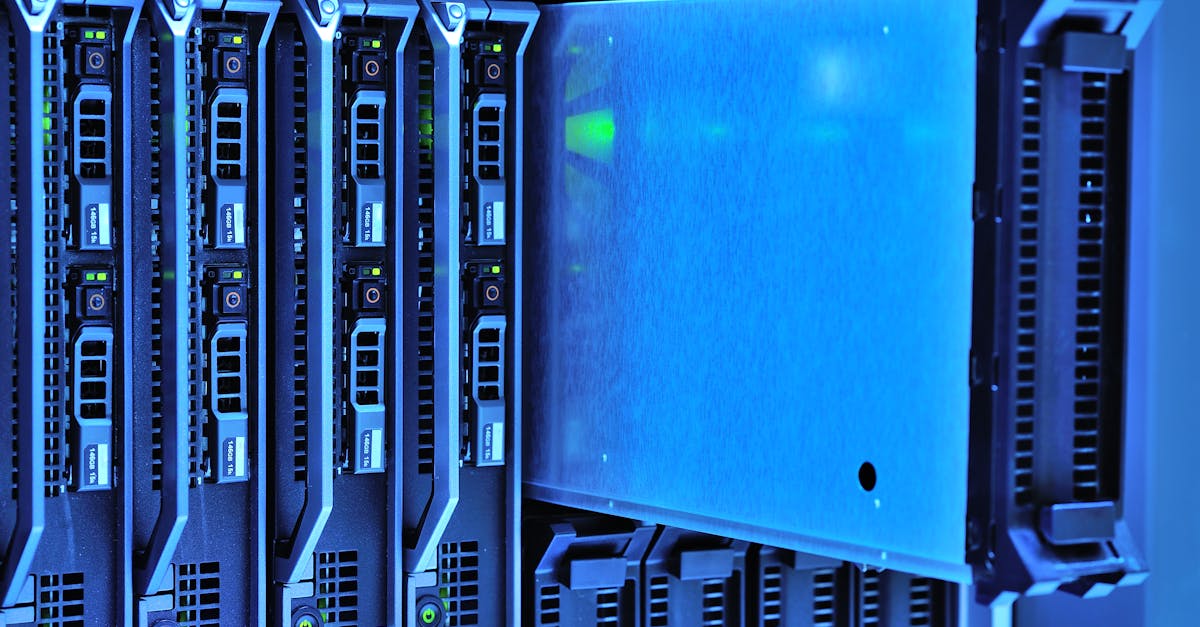
Photo by panumas nikhomkhai on Pexels
The Demo: Gemma‑4 on a Legacy Xeon
A personal blog post proved that the open‑source Gemma‑4 model can run on a 2016 Xeon server without any GPU acceleration. The author posted the full walkthrough on point.free, linking to a GitHub repo and a Hacker News discussion that earned 200 points and 72 comments. The write‑up lists the exact CPU generation, the operating system, and the Python environment used to spin up the model.
The post does not claim record‑breaking speed. It simply shows that inference completes in a few seconds per token, enough for interactive use. The author notes that the Xeon’s 12‑core layout and 2.6 GHz base clock were sufficient to keep the model’s memory footprint within the server’s 64 GB RAM limit.
Why Old Hardware Still Works
Modern LLMs often demand high‑end GPUs, but the Gemma‑4 demo reminds readers that CPU‑only inference remains viable for many workloads. The Xeon’s AVX‑512 extensions accelerate the matrix multiplications that dominate transformer inference. The blog points out that the model’s quantization to 4‑bit integers cuts memory usage by roughly 75 %, fitting comfortably on the legacy RAM.
The author also highlights the cost differential: a refurbished 2016 Xeon server can be purchased for under $500, whereas a comparable GPU rig costs several thousand dollars. That price gap matters for startups and hobbyists who cannot afford cloud GPU credits.
Software as the New Differentiator
Intel’s recent push on software‑first strategies echoes the Gemma‑4 story. At Intel Innovation 2022 the company released a beta Quantum SDK and an updated Lava stack for neuromorphic computing. In the press release, Intel stressed that software will drive adoption more than the underlying chips. The same logic applies to LLMs: a well‑optimized runtime and quantization pipeline can make an old CPU competitive.
The Intel announcements also included Kapoho Point, a board that pairs Loihi 2 chips with a software stack. While the hardware is impressive, Intel’s messaging centered on the open‑source tools that let developers extract performance without redesigning silicon. The Gemma‑4 demo is a grassroots version of that narrative: software tricks level the playing field.
Implications for AI Deployment
Enterprises that have already invested in legacy server farms can now consider repurposing them for inference workloads. The demo suggests that data‑center refresh cycles could be stretched, reducing e‑waste. However, the performance ceiling remains lower than GPU clusters, so latency‑sensitive applications may still need dedicated accelerators.
The broader AI community may see a shift toward mixed‑hardware pipelines. Companies could run batch inference on CPUs while reserving GPUs for training or real‑time serving. This hybrid model aligns with Intel’s software‑first pitch and could influence procurement decisions in the next fiscal year.
What to Watch
Watch for the next release of the Gemma‑4 inference script on GitHub, which promises to add support for Intel’s oneAPI libraries. Also keep an eye on Intel’s roadmap for the Quantum SDK and Lava stack, as tighter integration with CPU‑only runtimes could cement the software‑first approach. Finally, monitor cloud providers for pricing tiers that explicitly target CPU‑only LLM inference, a sign that the industry is taking the legacy‑hardware argument seriously.
Updates
- 2026-06-06 — Kabuto Park captures the fleeting joy of summer vacation (source)
Related Articles

AI race, data breach, and new browsing tool raise tech tension
OpenAI and Anthropic's AI speed, a CareCloud breach, pricey phone cases, and Gemini Spark's Chrome browsing update illustrate rising tech stakes.
Antigravity 2.0 Beats Benchmarks as AI Tools Evolve
Antigravity 2.0 tops an OpenSCAD LLM test, Wozniak backs AI intelligence, Slumber adds a TUI HTTP client, and Cleve Moler passes away.

Googlebook challenges Apple’s retail play as Mac Studio prices
Google’s $899 AI‑native laptop and Apple’s store‑first philosophy clash amid rising component costs and AI‑driven hardware bets.