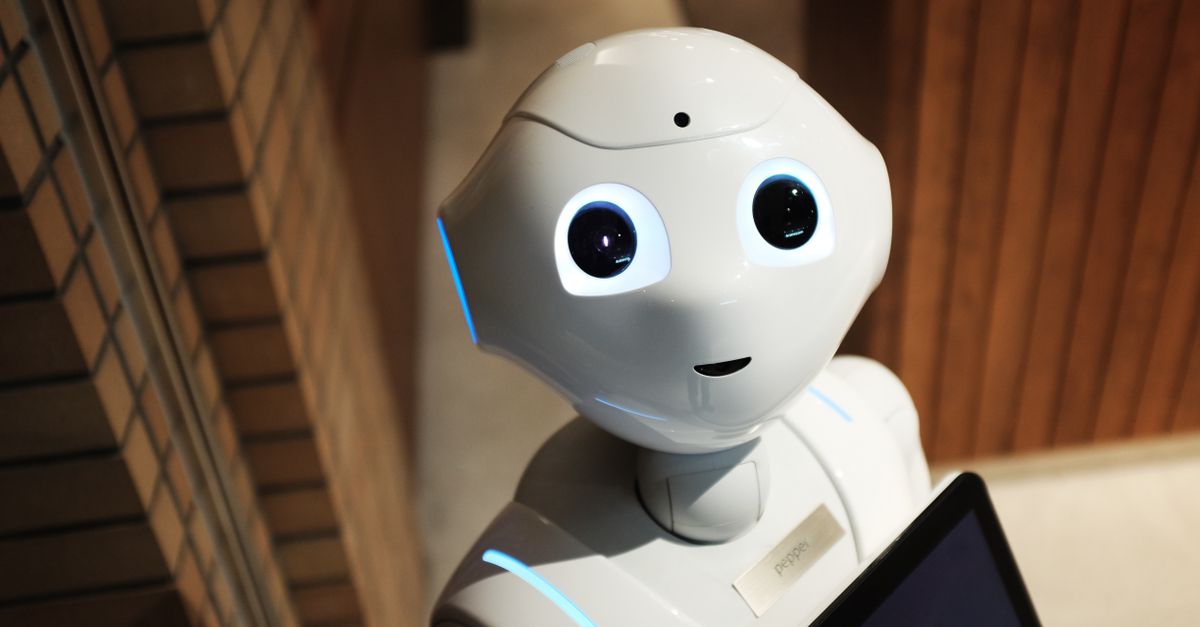
Google DeepMind Puts AI Into Physical World With Gemini Robotics

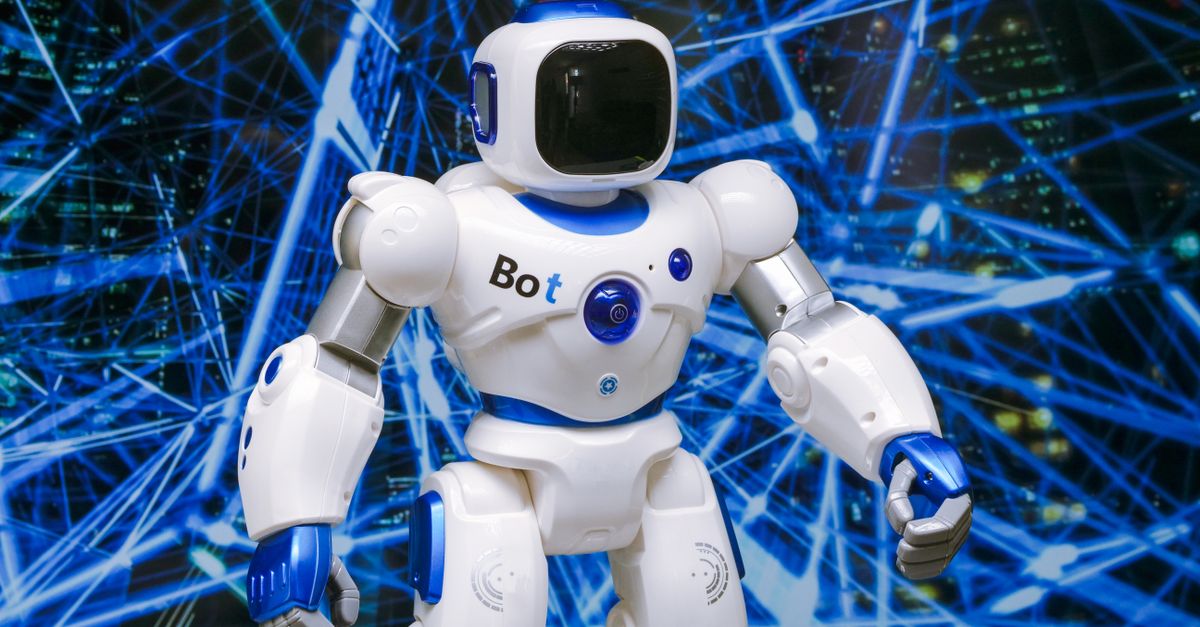
Photo by Kindel Media on Pexels
Google DeepMind’s Ambitious Leap into Physical AGI
Google DeepMind’s latest AI model, Gemini Robotics 2, has made significant strides in physical artificial general intelligence (AGI). The new model can control entire humanoid robots, allowing them to walk, crouch, stretch, and manipulate objects.
The Next Frontier in Robotics
The Gemini Robotics 2 model builds upon the previous version, which focused on controlling a humanoid robot’s upper body. With the new model, robots can perform a wider range of actions, as demonstrated by Apptronik’s Apollo 2 robot. Videos shared by Google show the robot bending over to pick up a watering can and finding specific items on a shelf.
Risks and Uncertainty
While the advancements in Gemini Robotics 2 are impressive, they also come with risks. Plopping AI into the real world is a complex task that requires careful consideration of safety, ethics, and potential consequences. Google DeepMind has acknowledged the challenges, but the extent of their planning and preparedness remains unclear.
The Broader Industry Context
The development of Gemini Robotics 2 is part of a broader trend in AI research, where companies are exploring the potential of AGI in various domains. The use of AI in robotics has been gaining traction, with applications in manufacturing, healthcare, and other areas. However, the integration of AGI into physical systems raises questions about accountability, liability, and the potential for unintended consequences.
A History of Caution
The development of Gemini Robotics 2 is not without precedent. Prior launches of AGI-powered robots have raised concerns about safety and ethics. The 2019 launch of Boston Dynamics’ Atlas robot, for example, sparked controversy over the potential for robots to be used for malicious purposes. Earlier incidents of robots malfunctioning or causing harm have also highlighted the need for more stringent regulations and guidelines.
Technical Mechanics
Gemini Robotics 2 utilizes a combination of machine learning algorithms and computer vision to enable robots to perform complex tasks. The model is trained on a vast amount of data, allowing it to learn from experience and adapt to new situations. The integration of AGI into physical systems requires a deep understanding of robotics, AI, and computer science.
Regulatory Implications
The development of Gemini Robotics 2 raises important questions about regulatory frameworks and standards for AI in the physical world. As AGI becomes more ubiquitous, governments and regulatory bodies will need to establish clear guidelines and regulations to ensure public safety and mitigate the risks associated with AI.
Downstream Implications
The development of Gemini Robotics 2 will have far-reaching implications for various industries, including manufacturing, healthcare, and logistics. While the potential benefits are substantial, the risks and uncertainties surrounding this technology cannot be overstated. The industry will be closely watching the progress and potential applications of Gemini Robotics 2, and it is essential to consider the regulatory, social, and ethical implications of this technology.
Conclusion
Google DeepMind’s Gemini Robotics 2 represents a significant leap forward in physical AGI. While the potential benefits are substantial, the risks and uncertainties surrounding this technology cannot be overstated. The industry will be closely watching the progress and potential applications of Gemini Robotics 2, and it is essential to consider the regulatory, social, and ethical implications of this technology.
Updates
- 2026-08-13 — Can social media start over? Bluesky’s CEO and COO deliver their case at TechCrunch Disrupt 2026 (source)
Related Articles
Meta Acquires Robot Startup
Meta buys Assured Robot Intelligence to improve AI models for robots. Apple spotlights Perplexity's Mac-native platform.