

Toyota to Remanufacture Cars 3 Times

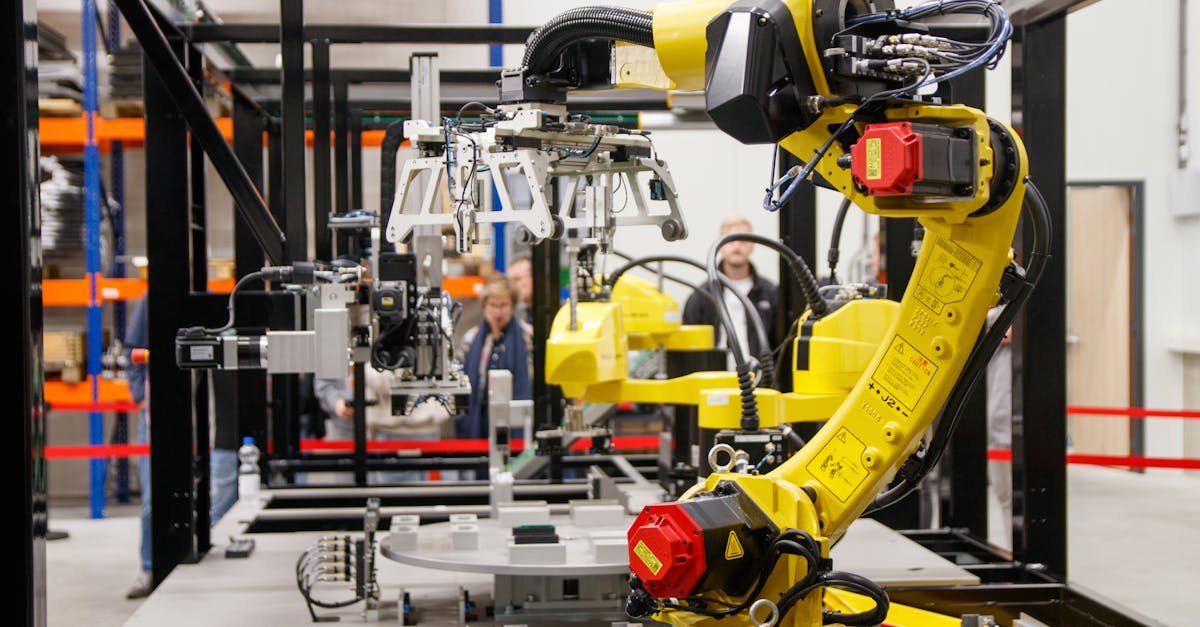
Photo by Freek Wolsink on Pexels
Toyota’s triple‑life refresh for UK cars
Toyota announced it will begin a systematic refresh of ex‑customer vehicles at its UK plant, targeting up to three full remanufacture cycles per car. The move is part of the company’s Kinto sub‑brand, which frames mobility as a service rather than a one‑off purchase.
Agustín Martín, president and managing director of Toyota GB, told Autocar that the process is meant to “stretch the way we look at life for both the vehicle and the customer.” By pulling cars back into the factory, Toyota hopes to add value throughout the vehicle’s lifespan and keep the UK market supplied with refurbished, road‑ready units.
The strategy contrasts sharply with the industry’s typical scrap‑and‑replace model. While most OEMs treat a car as a disposable asset after a few years, Toyota’s approach treats the chassis and powertrain as reusable modules, reducing the need for fresh steel and aluminum. The company has not disclosed how many vehicles will be processed each month, but the announcement signals a shift toward circular manufacturing in a market where regulatory pressure on waste is mounting.
Stellantis bets €30 billion on software and AI
Stellantis unveiled a €30 billion investment plan that will run through 2025, aiming to generate €20 billion in software‑enabled revenue by 2030. The group said it will expand its connected‑car fleet from 12 million today to 26 million by 2026 and 34 million by 2030.
Three AI platforms will anchor the rollout: STLA Brain, which will grow from 10 to 30 over‑the‑air modules; STLA SmartCockpit, built with Foxconn to deliver navigation, voice, e‑commerce and payment services; and STLA AutoDrive, developed with BMW to provide level‑2 to level‑3 autonomous capabilities. Stellantis also announced a usage‑based insurance product for launch next year, leveraging its data‑collection capabilities.
The firm frames the software push as a way to decouple hardware cycles from feature updates, promising lower maintenance costs and higher residual values. By partnering with Foxconn on flexible semiconductors, Stellantis hopes to shield itself from the chronic chip shortage that has hampered production across the sector.
Nio’s five‑minute battery swap hits Europe
A Nio‑operated station opened in Lier, southern Norway, marking the first European deployment of the Chinese maker’s battery‑swap technology. The system can replace a depleted pack in roughly five minutes, a speed that manager Frank Skarpass of a Norwegian power‑grid company described as “the dream” after testing it on his Jaguar I‑Pace.
The swap station sits beside a bank of conventional chargers, offering drivers a rapid alternative to the “hassle” of plug‑in charging. While the concept has been trialed in China for years, the European rollout tests whether the model can scale under stricter safety standards and higher labor costs.
Critics note that swapping requires a standardized battery form factor and a logistics network to keep charged packs circulating. Nio’s European push suggests the company believes those hurdles are solvable, but market adoption will depend on whether fleet operators and private owners find the service cost‑effective compared with fast‑charging infrastructure.
Raw‑material price pressure bites into EV economics
Tesla CEO Elon Musk warned investors on the company’s Q1 earnings call in April that lithium margins now resemble “software margins.” He claimed purchase prices for lithium were ten times the extraction cost, a gap that threatens to erode profitability across the EV supply chain.
Higher lithium and nickel prices have already forced cell suppliers to raise prices to automakers, who in turn pass the increase onto buyers. The squeeze is prompting a half‑joking plea from Musk for investors to get into lithium mining and refining, underscoring how raw‑material scarcity is becoming a strategic concern for the whole industry.
The price surge also adds urgency to alternative approaches like Toyota’s remanufacturing and Nio’s battery swapping, both of which aim to reduce the amount of new material required per mile driven.
Industry context and what to watch next
Together, these moves illustrate a broader industry pivot: manufacturers are extending vehicle lifecycles, software firms are turning cars into subscription platforms, and innovators are experimenting with rapid battery exchange to sidestep charging bottlenecks. All of this occurs against a backdrop of raw‑material volatility that threatens to inflate EV ownership costs.
The next six months will reveal whether Toyota’s triple‑life program can achieve scale, if Stellantis’s software revenue targets are realistic, and whether Nio’s swap stations can attract enough users to justify the capital outlay. Analysts will be watching the rollout of Stellantis’s STLA Brain modules, the volume of cars processed at Toyota’s UK facility, and the utilization rates at the Lier swap site. The convergence of these trends will shape how the automotive sector balances sustainability, profitability, and consumer convenience.
What to watch:
- Stellantis’s first STLA Brain OTA update scheduled for late 2024.
- Toyota’s quarterly reports on the number of UK cars returned for remanufacture.
- Utilization data from Nio’s Lier swap station and any follow‑up European sites.
- Quarterly lithium price reports and Tesla’s next earnings call for updated margin commentary.
These data points will indicate whether the industry’s new levers—software, circular manufacturing, and battery swapping—are enough to offset raw‑material headwinds and keep EV adoption on an upward trajectory.
Updates
Related Articles

iOS 27 Drops Legacy iPhones While Trimming Code for Battery Gains
Apple’s iOS 27, unveiled at WWDC, may abandon four iPhone models and focuses on a deep code cleanup to improve battery life and AI features.

BepiColombo reaches Mercury as community tools reshape space
After eight years in flight, ESA's BepiColombo probe nears Mercury while open-source projects and new research expose the software and cultural gaps in modern space exploration.

iPhone 18 Pro’s variable aperture sparks repair worries
iFixit’s teardown reveals a variable aperture and a display repair flaw; iOS 27 adds 30+ speed tweaks; Duo forces app recompilation; Pro Max’s battery size triggers new shipping rules.