

Google adds AI to Android with Health 5.08 and Find Hub update

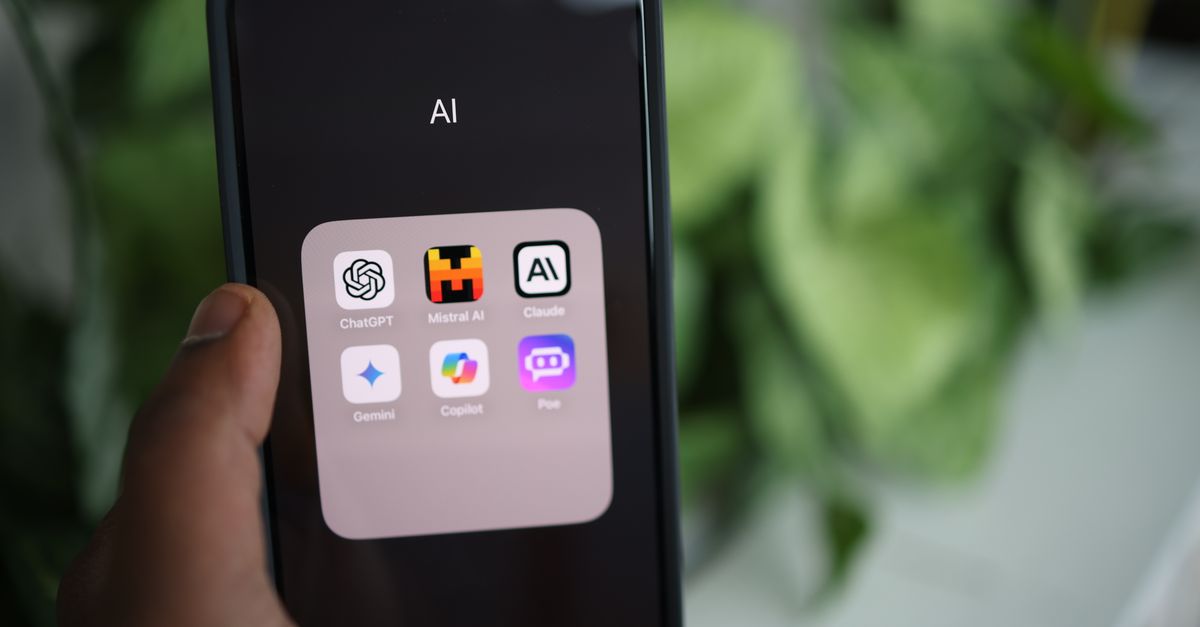
Photo by Solen Feyissa on Pexels
Google rolled out its latest Health app update and a new Remembered tab in Find Hub, signaling a push to weave Gemini‑powered AI into everyday Android tools.
The Health update is labeled 5.08 and arrives on both Android and iOS. 9to5Google notes it is the smallest rollout since the redesign launched in May. The Find Hub change follows last week’s Android Drop and adds a tab called “Remembered” that runs on Gemini, Google’s next‑gen large language model.
Health 5.08 lands on Android and iOS
Google Health 5.08 ships as a thin patch. The version bumps the app’s internal code but does not introduce a new UI overhaul. Users will see a handful of bug fixes and a modest performance tweak. Because the rollout touches iOS as well, the update narrows the gap between Google’s two mobile platforms.
The patch matters because it shows Google’s willingness to iterate quickly on health data pipelines. Health data is sensitive, and a smaller update reduces the risk of breaking consent flows. The May redesign introduced a new activity tracker layout; 5.08 simply polishes that foundation.
Analysts see the move as a test of how fast Google can push incremental changes without drawing regulator attention. A tiny update flies under most audit radars, yet it still nudges the product closer to a more AI‑rich experience.
Find Hub gets a Remembered tab powered by Gemini
Find Hub now displays a “Remembered” tab that surfaces past queries and suggestions. The tab is built on Gemini, the model Google unveiled as its answer to OpenAI’s GPT‑4. 9to5Google reports that the feature arrived in the same wave that introduced the Android Drop.
Gemini integration means the tab can surface context‑aware results rather than a static list. For example, a user who asked about coffee shops last week will see a reminder of those places when they open Find Hub today. The reminder feels like a lightweight personal assistant embedded in the search UI.
Critics argue that surfacing past queries raises privacy flags. Google claims the data stays on device unless the user opts into cloud sync. The company has not published a detailed privacy whitepaper for the Remembered tab, leaving power users to dig through settings.
Why Google is stacking AI across the stack
The Health patch and Find Hub tab are part of a broader AI rollout. Google’s Gemini model now appears in Search, Maps, and now Find Hub. Each integration adds a thin layer of generative assistance without overhauling the underlying app.
At the same time, hardware partners are leaking AI‑ready devices. 9to5Google published a full spec leak for the Lenovo Googlebook 15, a laptop that bundles Google’s AI services and even includes facial authentication tied to Google accounts. The leak lists a 15‑inch OLED panel, 12th‑gen Intel CPUs, and up to 32 GB of RAM, but it omits pricing.
Samsung’s open‑ear Galaxy Buds On also surface in the same rumor cycle. The leak shows a clip‑style design, auto‑volume control, and gesture shortcuts, all of which could feed into Google’s voice assistant ecosystem. If Samsung’s earbuds can trigger Gemini‑driven commands, the AI thread tightens across hardware and software.
Together these moves suggest Google is building an end‑to‑end AI experience that spans phones, laptops, and wearables. The strategy mirrors competitors that bundle AI into hardware, but Google leans on software updates to test the market before committing to expensive silicon.
User friction and privacy concerns
Adding AI to everyday tools invites friction. Users who value granular control over their data may balk at a Remembered tab that logs past searches. iOS 27 recently expanded location‑sharing windows, letting users set custom timers for how long a friend can see their whereabouts. The change, reported by Engadget, highlights that platform owners are listening to privacy‑focused feedback.
Google’s approach feels less transparent. The Health 5.08 notes do not call out new data collection, yet the underlying Gemini engine could infer health patterns from usage. Without clear opt‑out pathways, power users risk accidental data leakage.
The hardware leaks add another layer of complexity. The Lenovo Googlebook’s facial authentication ties biometric data to a Google account, a move that could alarm privacy advocates. Samsung’s Buds On gesture controls may also feed voice data into Google’s cloud, raising questions about cross‑vendor data sharing.
Developers will need to watch how Google balances convenience with consent. If the Remembered tab proves useful, Google may double down on deeper integrations. If backlash grows, the company could retreat to a more manual experience.
What to watch
The next milestone is Google’s public Gemini roadmap. A scheduled developer preview in Q4 could reveal how much on‑device processing the model will handle. Keep an eye on the Lenovo Googlebook launch date; its pricing will indicate whether Google expects consumers to pay a premium for AI‑ready hardware. Samsung’s official Galaxy Buds On announcement will show whether the company plans to hand off voice data to Google’s services. Finally, monitor any policy updates to Google Health’s data handling, especially after the 5.08 rollout settles in the wild.
Related Articles
Google updates Clock timers, Gemini Photos, Motion Assist
Google refreshed the Clock app’s timer UI, let Gemini Spark automate Google Photos, and began rolling Motion Assist to Android 17 devices.

Google TV Streamer’s $150 price tag forces a rethink on cheap
Google hikes its TV Streamer from $100 to $150, sparking debate over hardware pricing, security lapses, and AI copyright battles.
Google pushes AI and customization across Search
Google's latest updates let users add sources to Search, tweak Discover via chat, and tighten Android Auto stability while rolling out AI-powered Gboard suggestions.