

Google TV Streamer’s $150 price tag forces a rethink on cheap

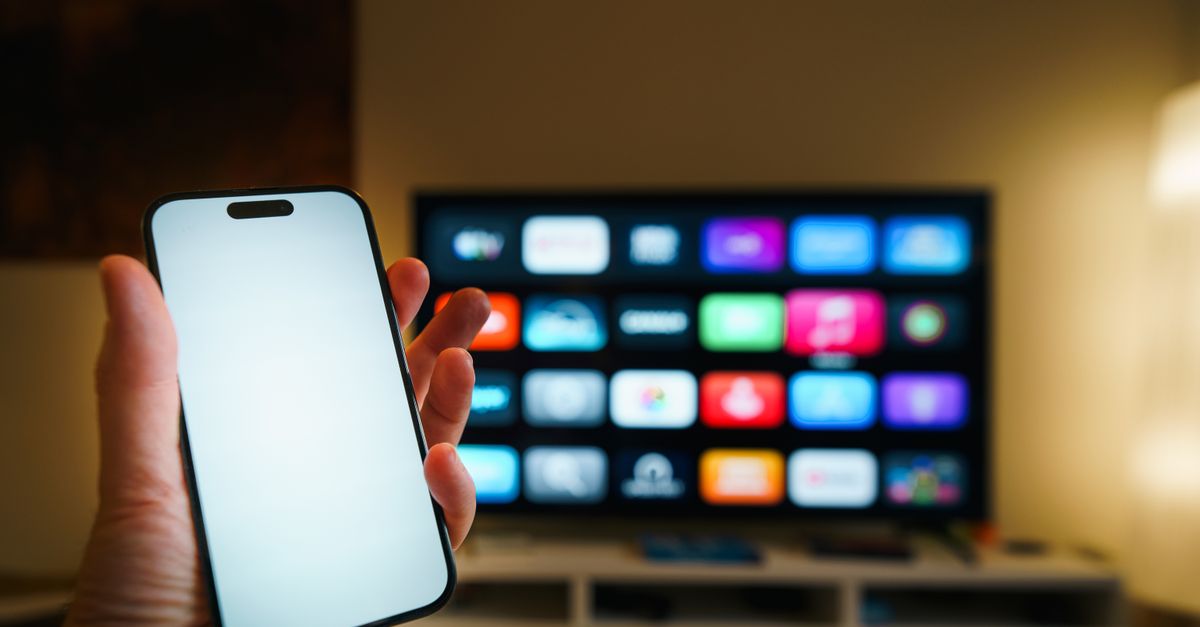
Photo by Jakub Zerdzicki on Pexels
Google raised the price of its TV Streamer to $150, a 50 % jump that forces households to rethink cheap streaming. The device, which sold for $100 a year ago, now sits at a price point that borders on premium territory.
The hike arrived alongside a terse announcement on Google’s storefront, offering no justification beyond a vague “market adjustment.” Existing owners see a sudden erosion of value, while prospective buyers confront a new barrier to entry. In a market where Roku and Amazon fire sticks linger under $70, the move feels aggressive.
The price shock in everyday use
Most users treat the Streamer as a plug‑and‑play box that pulls content from the Play Store, runs Android TV apps, and lives on a TV’s HDMI port. The $150 tag translates to a $50 increase on a $500‑plus home theater budget, a stretch for renters and students. The device’s core hardware—an ARM processor, 2 GB RAM, and 8 GB storage—has not changed, so the cost rise appears to be a margin play rather than a feature upgrade.
For families that rely on the Streamer to replace cable, the extra $50 may push them toward cheaper alternatives. The price change also signals that Google is no longer positioning the device as a loss leader. The company seems willing to sacrifice market share to improve per‑unit profitability.
Dropbox’s breach exposes single‑sign‑on fragility
While Google’s pricing grabs headlines, Dropbox disclosed a breach that exposed user accounts through a single‑sign‑on (SSO) flaw. Attackers created an SSO option via a third‑party provider, and Dropbox failed to authenticate the request properly. The result was unauthorized access to multiple accounts, prompting the company to email affected users with remediation steps.
The incident underscores a broader industry problem: SSO convenience often outpaces security rigor. Enterprises that rely on third‑party identity providers now face a higher risk of credential stuffing and token hijacking. Dropbox’s response—resetting tokens and tightening verification—will likely become a template for other cloud services.
Anthropic’s piracy lawsuit spotlights AI‑generated music
In a separate legal arena, Anthropic finds itself tangled in a lawsuit filed by music publishers. Internal staff chats, obtained by the plaintiffs, reveal that Anthropic employees discussed torrenting copyrighted songs to train their generative models. The plaintiffs argue that the AI‑generated tracks topping streaming charts directly infringe on songwriter royalties.
The case pits the nascent field of AI‑generated content against longstanding copyright law. If the court rules that training on pirated material constitutes infringement, AI developers will need to overhaul data pipelines. The lawsuit also raises questions about transparency: how much of an AI model’s output can be traced back to specific source material?
Android August 2026 updates keep the ecosystem humming
Google’s monthly “System Release Notes” for August 2026 rolled out new Play Services patches, Play Store tweaks, and system‑level updates across phones, tablets, Wear OS, Android TV, Auto, and PC. While the notes are dense, developers note a focus on background execution limits and battery‑optimisation APIs.
End users notice subtle changes: faster app launches on newer devices, and a refined notification shade that groups low‑priority alerts. The updates also introduce a developer‑only flag for testing new privacy controls, hinting at tighter data‑handling standards ahead of the next Android release cycle.
What to watch: pricing, security, and AI regulation
The Streamer price hike, Dropbox breach, and Anthropic lawsuit form a trifecta of pressure points for Google and its ecosystem partners. Consumers will track whether Google adjusts the Streamer price in response to market backlash. Security teams will monitor how Dropbox patches its SSO flow and whether other cloud providers adopt similar safeguards.
Regulators and courts will watch the Anthropic case for precedent on AI training data. A ruling that deems torrent‑sourced training illegal could force a shift toward licensed datasets, reshaping the economics of generative AI. Meanwhile, Android’s incremental updates will continue to lay the groundwork for tighter privacy and performance standards.
Stakeholders should keep an eye on three metrics: the Streamer’s sales velocity post‑hike, the frequency of SSO‑related incidents reported by cloud services, and any court filings that cite the Anthropic case as a reference point. The next quarter will reveal whether pricing, security, or copyright battles dominate the tech conversation.
Related Articles

Googlebook challenges Apple’s retail play as Mac Studio prices
Google’s $899 AI‑native laptop and Apple’s store‑first philosophy clash amid rising component costs and AI‑driven hardware bets.
New hardware quirks ring note‑taker AI feeder retro upgrades
A ring‑sized note taker, AI‑driven cat feeder, free retro‑handheld upgrades, E Ink tablets, and Android UI tweaks illustrate niche hardware shifts.
Disrupt discount, Gemini breach, and new hardware raise stakes
Ticket discounts for TechCrunch Disrupt end soon, Google’s Gemini AI breach surfaces, and new hardware from Asus and Motorola arrive, highlighting industry tension.