

Google updates Clock timers, Gemini Photos, Motion Assist

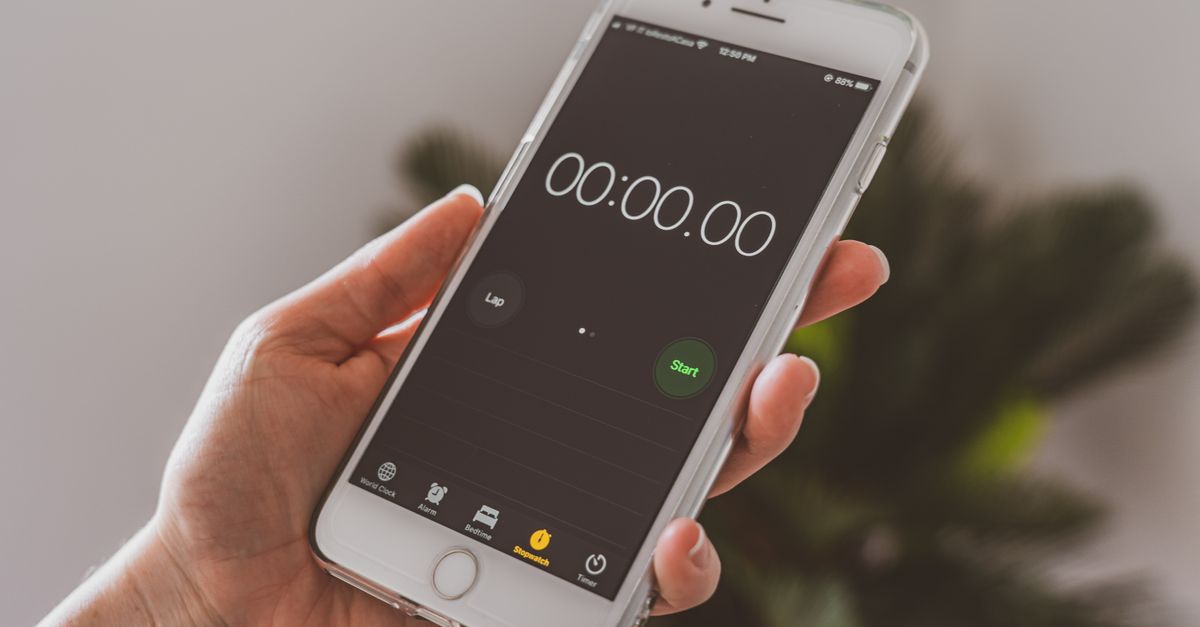
Photo by Castorly Stock on Pexels
Timer redesign in Google Clock
Google Clock now shows a redesigned Timers tab. The change arrived with a new app icon and follows yesterday’s tweak to the Now Playing app. The updated layout groups preset durations at the top of the screen. Users can tap a preset to start a countdown without opening a separate entry screen.
The redesign replaces the previous scroll‑through list of timers. Presets include common intervals such as 5 minutes, 15 minutes, and 30 minutes. The interface highlights the active timer in a larger font. According to 9to5Google, the shift aims to reduce the number of taps needed to start a timer.
Early feedback notes that the new view feels more like a quick‑action panel than a settings page. Power users who rely on the Clock app for short‑term reminders report faster access. The change does not affect the underlying alarm or world‑clock features, which retain their existing screens.
Gemini Spark gains Google Photos automation
Gemini Spark can now control Google Photos. The personal AI agent handles complex, multi‑stage workflows inside a user’s photo library. 9to5Google describes the capability as “automated editing, sharing, & more”.
The integration lets Gemini Spark select images, apply edits, and share the results without manual steps. For example, a user could ask the agent to find all sunset photos from the past month, apply a contrast boost, and post them to a shared album. The workflow runs entirely within Google Photos, preserving existing metadata.
Gemini Spark’s control is limited to first‑party apps at the moment. Google Photos is the latest addition after earlier support for messaging and calendar functions. The rollout appears incremental; the announcement did not include a specific launch date, but the feature is already active for a subset of users according to the source.
Motion Assist begins rollout on Android 17
Google is slowly rolling Motion Assist out to phones running Android 17. The feature debuted in an announcement on Tuesday, and the rollout now targets devices that meet the OS version requirement.
Motion Assist interprets sensor data to suggest actions such as opening a navigation app when a user picks up the phone while walking. The service runs locally, using on‑device AI to avoid sending raw motion data to the cloud. 9to5Google notes that the rollout is staged, meaning only a fraction of eligible devices receive the update at any given time.
Early adopters report that the assistant surfaces context‑aware shortcuts within seconds of a motion cue. The feature does not replace existing gesture controls but adds a layer of predictive behavior. Google has not disclosed performance metrics, but the company emphasizes low latency and minimal battery impact.
Competitive and technical context
Google’s recent UI tweaks and AI integrations arrive as rivals push similar convenience features. Apple’s iOS 18 update, for instance, introduced preset timers in its Clock app, though the layout differs from Google’s block‑style presets. Samsung’s One UI also offers quick‑timer shortcuts on the lock screen, but those shortcuts are static and lack the dynamic preset row Google now provides.
On the AI front, Gemini Spark’s expansion mirrors Microsoft’s Copilot rollout across Office apps. Both companies are betting on embedded agents that can orchestrate multi‑step tasks. The key distinction is platform focus: Gemini Spark currently leans on Google’s ecosystem of first‑party services, while Copilot reaches into third‑party productivity tools via plugins.
Motion Assist reflects a broader industry trend toward sensor‑driven context awareness. Android’s open hardware ecosystem gives manufacturers flexibility to embed additional motion sensors, potentially widening the feature’s reach. However, privacy advocates have flagged continuous motion monitoring as a vector for data leakage, prompting regulators to scrutinize on‑device processing claims.
What to watch
Watch for broader adoption metrics of Motion Assist as Google expands the rollout beyond the initial Android 17 cohort. The company is expected to publish device‑level uptake numbers in a quarterly developer report. A surge in usage could prompt additional sensor‑based shortcuts in future Android releases.
Monitor Gemini Spark’s app support list. If Google opens the API to third‑party photo editors, the automation workflow could become a competitive differentiator for the Pixel ecosystem. Conversely, any limitation or rollback would signal a shift in Google’s AI‑first strategy. Tracking these signals will help gauge how quickly AI agents move from novelty to core productivity tools.
Related Articles
Google adds AI to Android with Health 5.08 and Find Hub update
Google rolls out Health 5.08 and a Gemini‑powered Remembered tab in Find Hub, tightening AI across Android.

Google’s Android Moves: Deals, Bugs, and a Platform Pivot
A rundown of fresh Android app discounts, Pixel 11 beta rollout, Meet hardware shift to Android, and new AI tools amid a Play Store crackdown.
Google TV Streamer’s $150 price tag forces a rethink on cheap
Google hikes its TV Streamer from $100 to $150, sparking debate over hardware pricing, security lapses, and AI copyright battles.