

Google’s Android Moves: Deals, Bugs, and a Platform Pivot

Android app discounts heat up the holiday crawl
The Labor Day sales on Amazon and Best Buy now include a fresh batch of Android games and utilities at steep markdowns. 9to5Google lists titles like Super Dark Deception, My Child Lebensborn, Crystal Journey, Radiant: Guardians Of Light, and Unbroken Soul with price cuts that undercut their usual storefront rates.
Buyers can also snag a $15 Best Buy credit by redeeming a Google Play gift card, effectively turning a $10‑$15 purchase into a net‑zero spend. The promotion runs through the end of the week, and the discount window aligns with the broader holiday push that retailers use to clear inventory before Q4. For developers, the surge in visibility can translate into a short‑term bump in installs, but the real value lies in user acquisition that survives beyond the sale.
Pixel 11 series gets Android 17 QPR2 Beta 4, but a bug lingers
Google rolled out Android 17 QPR2 Beta 4 to the Pixel 11 series on Friday, extending the quick‑release cadence that started with the initial beta launch earlier this week. The update brings the latest platform refinements, including performance tweaks for the new Video Boost mode that promises smoother 4K capture.
However, the Pixel 11 Pro line now suffers a static‑audio glitch when Video Boost is active. 9to5Google reports that recordings pick up a hiss that masks dialogue, and Google has acknowledged the issue with a promise of a fix in an upcoming patch. The bug is a reminder that aggressive feature rollouts can outpace quality control, especially when the hardware platform is still fresh.
Developers targeting the beta should watch the release notes for API changes that affect camera pipelines. The static‑audio problem also underscores the importance of testing on real devices rather than relying solely on emulators, a practice that many indie studios still neglect.
Google reshapes Meet hardware and Android Auto UI
In a move that hints at a longer‑term strategy, Google announced it is transitioning its Google Meet hardware portfolio from ChromeOS to Android. The shift follows internal delays on consumer “Googlebooks” devices and suggests Google wants a unified software stack across its collaboration products. By basing Meet hardware on Android, Google can push updates more frequently and leverage the same app ecosystem that powers phones and tablets.
At the same time, Android Auto is experimenting with a new quick‑settings menu and a whimsical “Jimothy” weather Easter egg. 9to5Google captured screenshots of the test UI, noting that the quick‑settings pane mirrors the layout seen on smartphones, offering drivers faster access to brightness, volume, and connectivity toggles. The weather Easter egg, while likely to stay hidden in production, signals that Google is still probing how much personality it can inject into a vehicle‑focused interface.
Both initiatives reveal a pattern: Google is consolidating its software under Android to reduce fragmentation, even if that means abandoning ChromeOS for niche hardware. The quick‑settings experiment may become a permanent feature if driver feedback is positive, but the real test will be whether the new Meet devices deliver a smoother experience than their ChromeOS predecessors.
New AI image tool and Play Store clampdown raise questions
Google Pics, unveiled at I/O 2026 and now in general availability, positions itself as a “pro‑level” AI image creator and editor for Workspace users. The tool integrates text‑to‑image generation with layer‑based editing, allowing professionals to iterate on visual assets without leaving their productivity suite. 9to5Google notes that the service runs on Google’s internal Gemini models and promises enterprise‑grade privacy, but the pricing tier remains undisclosed.
In a parallel development, the Play Store has blocked AuroraStore, an open‑source client that lets users download apps without Google’s licensing checks. Hacker News users flagged the move as a blow to GrapheneOS users, who rely on AuroraStore to install apps on a hardened, privacy‑first OS. The block appears in the store’s policy enforcement logs, but Google has not offered a public explanation, leaving developers and security‑focused users to wonder whether the decision stems from licensing concerns or a broader push to tighten control over app distribution.
The juxtaposition of a new AI creation suite and a crackdown on alternative app stores illustrates Google’s dual strategy: expand revenue‑generating services while tightening the gatekeeping around its ecosystem. For enterprises, the AI tool may reduce reliance on third‑party design platforms, but for privacy‑oriented users, the AuroraStore block signals a shrinking space for non‑Google app delivery.
What to watch
Keep an eye on the next Pixel 11 patch that should silence the static‑audio bug; a clean fix will be a litmus test for Google’s beta‑to‑release pipeline. Monitor the rollout of Android Auto’s quick‑settings UI, as driver adoption will dictate whether Google ships the feature to production fleets. Finally, watch for any official statement from Google regarding the AuroraStore block, especially if GrapheneOS adoption grows, because regulatory scrutiny could force a policy reversal.
Updates
- 2026-09-07 — The pros and cons of using wireless Android Auto (source)
Related Articles
Google updates Clock timers, Gemini Photos, Motion Assist
Google refreshed the Clock app’s timer UI, let Gemini Spark automate Google Photos, and began rolling Motion Assist to Android 17 devices.
Google rolls out Linux Terminal
Google adds a native Linux Terminal to Pixel, refreshes Clock and Magnifier icons, but a January 2026 update breaks Wi‑Fi and Bluetooth on flagship devices.
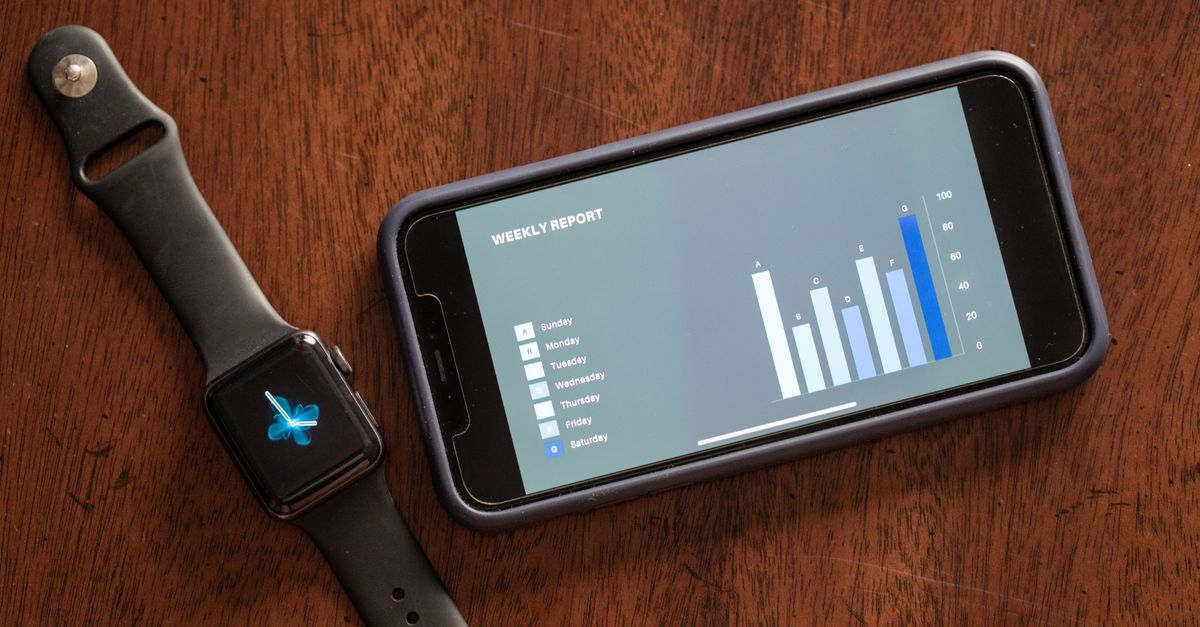
Google rolls out Pixel 11 upgrades, Quick Share tap mode
Google adds tap-to-share to Quick Share, launches Pixel 11 with higher price, 256 GB storage, Extreme Charging, and health upgrades for its Watch 5.