

Tesla brings Full Self-Driving to Europe, sales near $1.5B

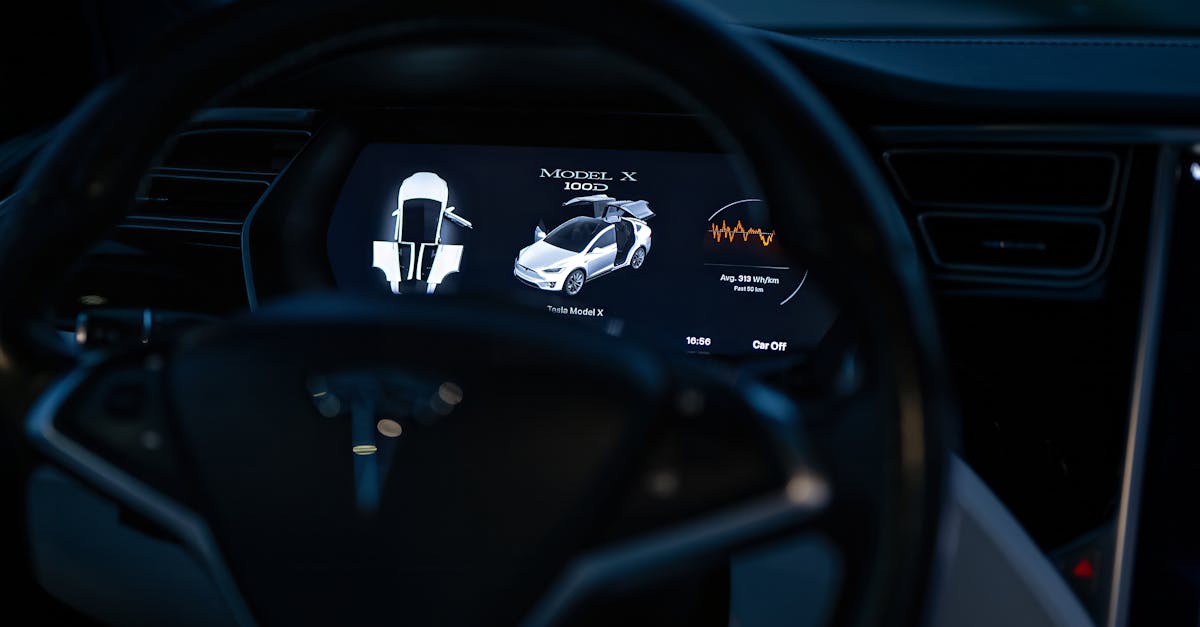
Photo by Vladimir Srajber on Pexels
European rollout gains traction
Tesla’s Full Self-Driving (FSD) software is now available in the Netherlands and Lithuania, marking the first two European markets to receive the feature. The rollout follows a pattern of incremental approvals rather than a continent‑wide launch. Drivers in both countries can purchase the $6,000 add‑on before vehicle delivery, unlocking lane changes, automatic parking and the summon function that brings a parked car to the driver.
The expansion arrives as analysts project Tesla’s self‑driving software to generate close to $1.5 billion in revenue this year. The estimate comes from a market‑focused analysis that tracks add‑on sales across Tesla’s model line‑up. At a flat $6,000 price point, each new FSD purchase adds a sizable chunk to the company’s top line, pushing software content per vehicle well ahead of traditional automakers.
For owners, the practical impact is immediate. A driver in Amsterdam can now activate automatic lane changes on the highway without manual input, while a Lithuanian commuter can summon their Model Y from a parking lot with a tap. The feature set remains unchanged from the U.S. version, but local regulators have finally signed off on the driver‑assistance algorithms.
Software revenue model scales fast
Tesla treats FSD as a pure software add‑on rather than a bundled hardware upgrade. The $6,000 price is charged at order time, and the capability is delivered over‑the‑air. This model lets Tesla count each sale as recurring software revenue, a line item that grew from roughly 6 % of total revenue in 2018 to almost 8 % in 2021, according to the same analysis.
The $1.5 billion forecast assumes the company will continue to sell the add‑on at current rates while expanding into new markets. No new pricing tiers are announced; the $6,000 figure remains the baseline for all new customers. Existing owners can upgrade later, but the bulk of the projected revenue comes from first‑time buyers in the coming months.
Compared with legacy automakers, Tesla’s software per vehicle outpaces the industry by a wide margin. Most manufacturers still rely on hardware‑centric upgrades, whereas Tesla pushes new functionality through software updates that can be purchased long after the car leaves the showroom.
Regulatory friction and market response
European regulators have been cautious about granting full autonomy, preferring a step‑by‑step validation of each feature. The Netherlands and Lithuania cleared the latest FSD version after extensive safety reviews, but other EU members have yet to issue similar approvals. This uneven landscape creates a patchwork of availability that could frustrate cross‑border drivers.
Consumer groups in the EU have raised concerns about the safety of allowing a vehicle to perform lane changes without driver input. The criticism mirrors earlier debates in the United States, where some states have imposed restrictions on beta‑testing features. Tesla’s approach—selling a feature that promises full autonomy while still requiring driver supervision—keeps it in a legal gray area.
The market reaction has been mixed. Some investors praised the revenue potential, noting that software margins dwarf those of hardware. Others warned that regulatory setbacks could stall growth, especially if new safety mandates force Tesla to roll back features in certain countries.
Competitive landscape and technical hurdles
Tesla is not alone in pursuing paid driver‑assistance packages. Competitors like GM and Ford offer similar suites, but their pricing sits well below Tesla’s $6,000 tag and often bundles the feature with higher‑trim models. The price differential reflects Tesla’s confidence in its neural‑network stack and the perceived value of over‑the‑air updates.
Technically, FSD relies on a combination of cameras, radar (in older models) and a custom silicon chip that processes billions of data points per second. The software stack continuously learns from fleet data, a capability that rivals cannot easily replicate without a comparable data set.
However, the reliance on vision‑only perception has drawn scrutiny after several high‑profile incidents. European safety agencies have requested detailed logs from Tesla to verify that the system can handle complex urban scenarios. Until those audits are complete, further market expansion may stall.
What to watch next
The next regulatory decision will likely come from either France or Germany, where authorities have signaled intent to evaluate the latest FSD version. Tracking the approval timeline will indicate whether Tesla can sustain its European push. On the revenue side, the quarterly earnings report will reveal whether the $1.5 billion software forecast holds up as new markets join the queue. Investors and engineers alike should watch for any policy shifts that could force Tesla to modify its pricing or feature set.
Updates
Related Articles

BepiColombo reaches Mercury as community tools reshape space
After eight years in flight, ESA's BepiColombo probe nears Mercury while open-source projects and new research expose the software and cultural gaps in modern space exploration.

iPhone 18 Pro’s variable aperture sparks repair worries
iFixit’s teardown reveals a variable aperture and a display repair flaw; iOS 27 adds 30+ speed tweaks; Duo forces app recompilation; Pro Max’s battery size triggers new shipping rules.

Google adds AI to Android with Health 5.08 and Find Hub update
Google rolls out Health 5.08 and a Gemini‑powered Remembered tab in Find Hub, tightening AI across Android.