

Disneyland Rolls Out Facial Recognition at Entrance Gates

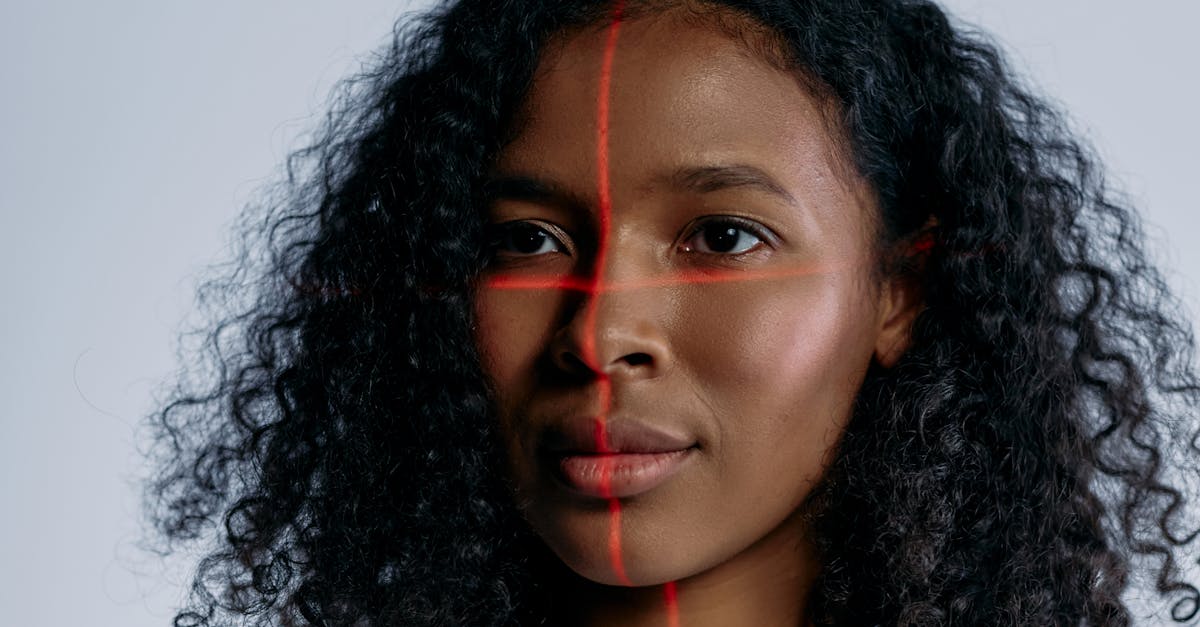
Photo by cottonbro studio on Pexels
Disneyland Rolls Out Facial Recognition at Entrance Gates
Disneyland has started using facial recognition technology at some of its entrance gates, a move the company says will help prevent ticket fraud and make re-entry easier for visitors.
The technology, which was tested at Disneyland in 2024 and at the Magic Kingdom in Orlando in 2021, captures a photo of a guest’s face and converts it into a unique numerical value. This value is then compared to a photo taken when the guest first used their ticket or pass.
How it Works
At certain entrance lanes, a camera captures images of visitors, which are then converted into unique numerical values using biometric technology. The goal is to determine whether someone has already entered the park and to crack down on potential annual pass sharing. Guests can opt out of the facial recognition lanes, but the majority of lines use the technology.
Disney says the facial recognition system is optional, and guests who don’t want to use it can enter through separate lines that don’t use the technology. However, these lines are fewer in number than those that do use facial recognition.
Privacy Concerns
The use of facial recognition technology has raised concerns among privacy experts, who warn that it poses thorny ethical issues. Some of the questions raised include what companies do with the facial data they collect, how long they plan to keep it, whether they could repurpose or sell it, and if it will be shared with law enforcement.
Ari Waldman, a professor of law at UC Irvine, says the normalization of facial surveillance is problematic. “We can’t go around life hiding our faces, so this isn’t just the next step in surveillance; it’s qualitatively different. In a world of facial recognition, when people leave their house, it automatically means they’re identified.”
Industry Context
Disney is not the only company using facial recognition technology. Several stadiums that host Major League Baseball games, including Intuit Dome and Dodger Stadium, use the technology to enable facial recognition for entry. The use of facial recognition technology is becoming more widespread, and it’s not just limited to entertainment venues. Retailers use it to nab shoplifters, and casinos use it to keep card counters away.
The market for facial recognition technology is growing rapidly, with estimates suggesting it will reach $12.8 billion by 2025. This growth is driven by increasing demand for security and surveillance solutions, as well as advancements in artificial intelligence and machine learning.
The increasing adoption of facial recognition technology across various industries can be attributed to its effectiveness in enhancing security and streamlining processes. For instance, in the retail sector, facial recognition technology can help reduce shoplifting and improve customer experience. Similarly, in the banking sector, it can be used to enhance security and prevent identity theft.
History of Facial Recognition at Disneyland
Disneyland has a history of innovation when it comes to technology. The company has been using technology to enhance the visitor experience for decades, from the introduction of audio-animatronic characters to the use of virtual reality. Facial recognition technology is just the latest example of Disney’s commitment to innovation.
The company has been testing facial recognition technology at its theme parks since 2019. The technology was first tested at the Magic Kingdom in Orlando, and later at Disneyland in Anaheim. The tests were designed to evaluate the effectiveness of facial recognition technology in preventing ticket fraud and streamlining re-entry.
Technical Mechanics
The facial recognition system used at Disneyland is based on a technology called deep learning. This technology uses artificial neural networks to analyze images and identify patterns. In the case of facial recognition, the system uses a neural network to analyze images of faces and identify unique features.
The system captures a photo of a guest’s face and converts it into a unique numerical value. This value is then compared to a photo taken when the guest first used their ticket or pass. The system uses a process called “one-to-one matching” to compare the two images and determine if they match.
What’s Next
Disney says it has implemented “technical, administrative and physical measures” to protect visitors’ information. However, the company also notes that “despite our best efforts, no security measures are perfect or impenetrable.”
As the use of facial recognition technology becomes more prevalent, it’s likely that we’ll see more debates about its use and the potential risks and benefits. For now, visitors to Disneyland can opt out of the facial recognition lanes, but it’s unclear how long that option will be available.
The use of facial recognition technology at Disneyland is likely to be closely watched by privacy experts and regulators. As the technology becomes more widespread, it’s likely that we’ll see more debates about its use and the potential risks and benefits.
Updates
Related Articles
Flock's Audit Assistance Tool
Flock's new tool aims to identify police abuse, but lacks transparency
Designing with AI
AI is changing the design process, enabling faster and more efficient creation, but also raising questions about its limitations and potential biases.