Designing with AI

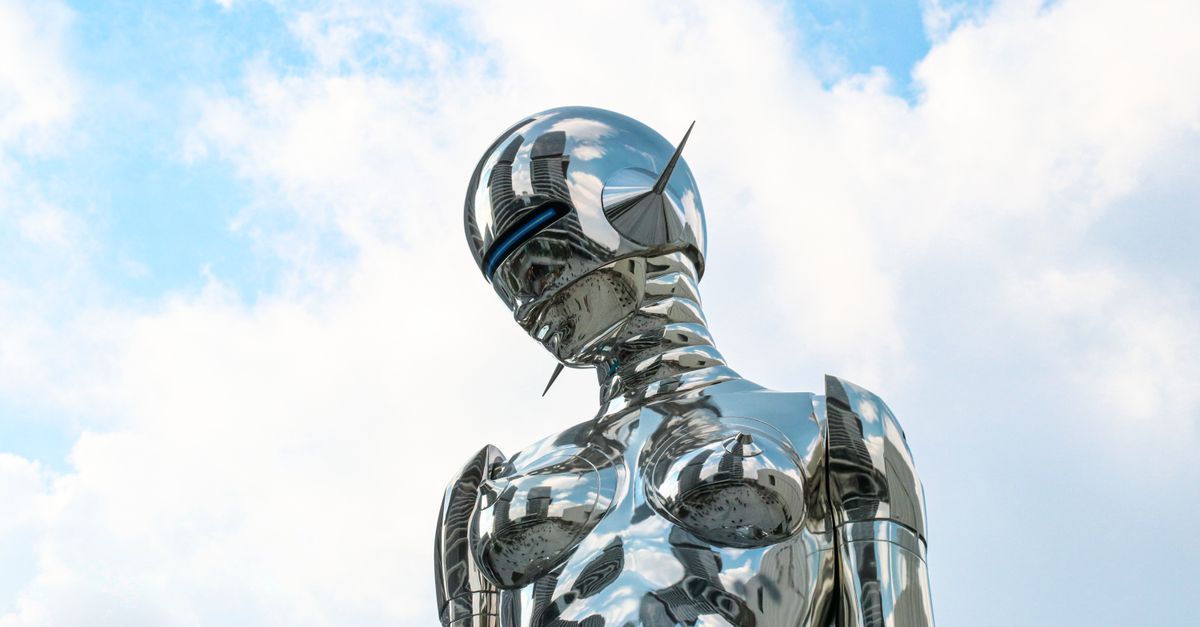
Photo by Sun God Apolo on Pexels
Introduction to AI-Driven Design
AI has become an integral part of the design process, transforming the way designers work and creating new opportunities for innovation. With the ability to automate repetitive tasks, generate new ideas, and provide instant feedback, AI is revolutionizing the field of design.
According to a recent article by Jane Street, designers are now using AI tools like Claude to create and design more than they use traditional tools like Figma. This shift is not only changing the way designers work but also the type of work they produce. For instance, AI-powered tools can generate multiple design options, allowing designers to explore different ideas and iterations more efficiently.
The Impact of AI on Design
The use of AI in design is not without its challenges. Many designers are concerned about the potential limitations and biases of AI-generated designs. However, as the technology continues to evolve, it is becoming clear that AI can be a powerful tool for designers, enabling them to work more efficiently and effectively.
For example, a recent experiment by Monotype’s research team used generative AI to create new fonts. The results were impressive, with the AI generating high-quality fonts that were indistinguishable from those created by human designers. However, the experiment also highlighted the limitations of AI, with the generated fonts often lacking the nuance and creativity of human-designed fonts. This raises important questions about the role of AI in design and how it can be used to augment human creativity.
The Future of Design with AI
As AI continues to evolve, it is likely that we will see even more innovative applications of the technology in the field of design. From generating new ideas to automating repetitive tasks, AI has the potential to transform the design process and enable designers to create more complex and sophisticated designs.
According to a recent report by the World Economic Forum, one of the fastest-growing skills for the next five years is the ability to work with AI and Big Data. This applies to almost every role, including product design. As designers, it is essential that we develop the skills necessary to work effectively with AI and harness its potential to create innovative and effective designs. This includes understanding the technical capabilities and limitations of AI, as well as its potential biases and ethical implications.
Industry Context and History
The use of AI in design is not a new phenomenon. For decades, designers have been using computer-aided design (CAD) software to create and manipulate designs. However, the recent advancements in AI have enabled designers to take their work to the next level, creating complex and sophisticated designs that were previously impossible to produce.
The history of design is filled with examples of innovative technologies that have transformed the field. From the introduction of the printing press to the development of digital design tools, each new technology has enabled designers to create more complex and sophisticated designs. AI is the latest in a long line of innovative technologies that are changing the face of design. For instance, the development of AI-powered design tools has enabled designers to create more realistic and detailed designs, such as those used in architecture and product design.
Technical Mechanics of AI-Driven Design
So, how does AI actually work in design? At its core, AI-powered design tools use machine learning algorithms to analyze and generate designs. These algorithms can be trained on large datasets of existing designs, allowing them to learn patterns and relationships that can be used to generate new designs. This process enables designers to create complex and sophisticated designs that would be difficult or impossible to produce by hand.
However, AI-powered design tools also have limitations. For instance, they can struggle to understand the nuances of human creativity and the context in which designs are used. This can result in designs that are technically proficient but lack the creativity and emotional resonance of human-designed work. As designers, it is essential that we understand these limitations and work to develop AI-powered design tools that can augment and support human creativity.
What’s Next
As AI continues to evolve, it is likely that we will see even more innovative applications of the technology in the field of design. From generating new ideas to automating repetitive tasks, AI has the potential to transform the design process and enable designers to create more complex and sophisticated designs.
To stay ahead of the curve, designers must develop the skills necessary to work effectively with AI. This includes learning how to use AI tools, understanding the limitations and potential biases of AI-generated designs, and developing strategies for working with AI to create innovative and effective designs. By doing so, designers can harness the power of AI to create new and innovative designs that push the boundaries of what is possible.
In conclusion, AI is transforming the field of design, enabling faster and more efficient creation, and raising questions about its limitations and potential biases. As designers, it is essential that we develop the skills necessary to work effectively with AI and harness its potential to create innovative and effective designs. By understanding the technical mechanics of AI-driven design, as well as its potential benefits and limitations, designers can create new and innovative designs that push the boundaries of what is possible.
Downstream Implications
The impact of AI on design will be felt far beyond the design community. As AI-powered design tools become more widespread, we can expect to see new and innovative products and services that were previously impossible to produce. This could include everything from more realistic and detailed architectural designs to more efficient and effective product designs.
However, it also raises important questions about the role of AI in design and how it can be used to augment human creativity. As designers, it is essential that we consider these questions and work to develop AI-powered design tools that can support and enhance human creativity, rather than replacing it. By doing so, we can harness the power of AI to create new and innovative designs that push the boundaries of what is possible.
Updates
- 2026-07-31 — Review: The Galaxy Z Fold 8’s new shape isn’t for you – it’s for everyone (source)
Related Articles

Lucen AI: Overhyped Dating Coach?
Lucen, an AI dating coach app, promises to decode relationships and provide actionable advice. But does it live up to the hype?

AI Hype vs. Reality: A Skeptical Look
The AI landscape is shifting, with some experts downplaying its potential. What's behind the hype and what's the reality?