

Google Pixel 11 Pro Fold specs leak ahead of 2026 launch

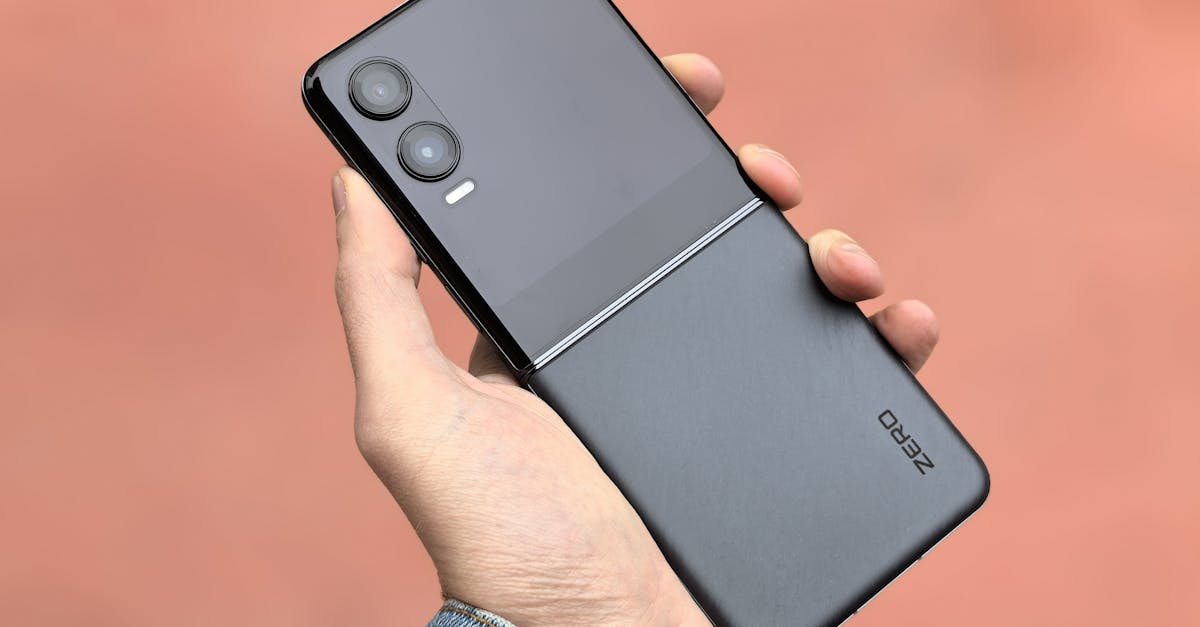
Photo by Andrey Matveev on Pexels
Leaked specs paint a high‑end picture for Google’s first foldable
Google’s upcoming Pixel 11 Pro Fold is slated for an August‑September 2026 launch, according to multiple leakers. The device is positioned as the flagship of a four‑model Pixel 11 series that also includes a standard Pixel 11, a Pixel 11 Pro and a larger Pixel 11 Pro XL.
The foldable is expected to carry an 8‑inch LTPO OLED inner display that pushes 120 Hz refresh and peaks at a staggering 3,500 nits. A 6.4‑inch outer screen will handle secondary interactions. Under the hood sits Google’s Tensor G6 chip, paired with up to 16 GB of RAM and a maximum of 1 TB of UFS storage. Power comes from a 5,050 mAh battery with either 30 W or 45 W wired fast‑charging support. The camera stack is rumored to be a triple 48 MP array (main, ultra‑wide, telephoto) plus a dual‑lens front module of either 10 MP or 12 MP. Pricing is projected between ₹1,59,999 and ₹1,81,999 in India.
How the Pixel fold fits into a crowded market
Samsung continues to dominate the foldable segment with its Galaxy Z Fold 8 and Z Flip 8 lines, both of which have been teased in recent leaks. Samsung’s devices typically launch earlier in the year and command premium pricing that often exceeds ₹2 lakh in India. Google’s entry, priced roughly a quarter lower, suggests a strategy to capture cost‑sensitive power users who still want flagship performance.
OnePlus, meanwhile, is expanding its Nord line with the Nord 6, scheduled for an April 7, 2026 release in India. The Nord 6 will ship with a Snapdragon 8s Gen 4 SoC, a 9,000 mAh battery, 80 W fast charging, and a 6.78‑inch AMOLED panel at 165 Hz. While the Nord 6 is a conventional slab, its specs demonstrate how non‑foldable flagships are pushing battery capacity and refresh rates well beyond what the Pixel 11 Pro Fold offers. The contrast highlights a trade‑off: Google’s foldable sacrifices raw battery size for a novel form factor, whereas OnePlus doubles down on endurance.
Both Samsung and OnePlus have established supply chains for high‑capacity batteries and high‑refresh displays. Google’s reliance on a 5,050 mAh cell may limit all‑day endurance, especially when the 8‑inch screen runs at 120 Hz. Consumers will have to weigh the novelty of a foldable against the practicalities of daily power needs.
Side‑channel security concerns loom over larger screens
A recent research paper presented at the 23rd ACM CCS conference introduced “WindTalker,” a side‑channel attack that extracts keystrokes from Wi‑Fi signal disturbances. The technique leverages Channel State Information (CSI) to infer finger movements on a touchscreen, achieving an average 68.3 % character‑level accuracy. The attack requires a rogue Wi‑Fi access point that can sniff traffic and detect when a user is entering credentials.
Foldable phones, by virtue of their larger screens, encourage more on‑screen typing—whether entering long emails on the inner display or confirming transactions on the outer panel. That increased interaction surface expands the window for a WindTalker‑style exploit. While the research was demonstrated on generic Android devices, the same Wi‑Fi radios and touch controllers are present in the Pixel 11 Pro Fold, meaning the vulnerability is not mitigated by the form factor alone.
Manufacturers have responded to similar side‑channel threats by hardening firmware and restricting CSI exposure, but the paper notes that many devices still expose sufficient CSI data for analysis. Users who connect to untrusted public Wi‑Fi networks could inadvertently hand over enough signal noise for an attacker to reconstruct passwords or PINs.
Power management habits become more critical with foldables
The same BGR article that warned against leaving Android phones on 24/7 underscores a practical concern for the Pixel 11 Pro Fold’s modest 5,050 mAh battery. Continuous operation without periodic power cycles can cause memory leaks, which degrade performance over time. Moreover, a constantly powered device presents a larger attack surface for persistent threats, including Wi‑Fi‑based side‑channel attacks.
A weekly full shutdown clears RAM, forces the OS to reload drivers, and can flush lingering malicious processes. For a foldable that already balances a high‑refresh inner display with a limited battery, regular power‑downs could preserve both performance and security. Users who habitually rely on sleep mode may notice slower app launches and reduced battery life as background services accumulate.
What to watch as the foldable race heats up
Google’s official announcement is expected before the end of Q3 2026. Track the exact launch date, the final pricing tier in India, and whether Google adds hardware‑level mitigations for CSI exposure. Samsung’s Z Fold 8 rollout and OnePlus’s Nord 6 release will provide immediate benchmarks for battery endurance and price competitiveness. Finally, monitor firmware updates from Google that address Wi‑Fi side‑channel leakage—those patches will be the litmus test for how seriously the company treats emerging security vectors in a foldable world.
Updates
- 2026-09-10 — August 2026 Was the Hottest Month Ever Recorded: Copernicus Data (source)
- 2026-09-07 — A foldable Mac is years away, but Apple is still working on it (source)
- 2026-08-07 — Deals: Giant 50% price drop on Google Pixelsnap Charger at $35, Galaxy A57 all-time low, Nothing Phone (4a) Pro, more (source)
Related Articles

Googlebook challenges Apple’s retail play as Mac Studio prices
Google’s $899 AI‑native laptop and Apple’s store‑first philosophy clash amid rising component costs and AI‑driven hardware bets.

Google mole in hacking gang, Twitter whistleblower
Google infiltrated TeamPCP, a former Twitter security chief exposed internal chaos, and NATO warns of a cyber‑war mindset.
Google adds AI to Android with Health 5.08 and Find Hub update
Google rolls out Health 5.08 and a Gemini‑powered Remembered tab in Find Hub, tightening AI across Android.