AI Hype vs. Reality: A Skeptical Look


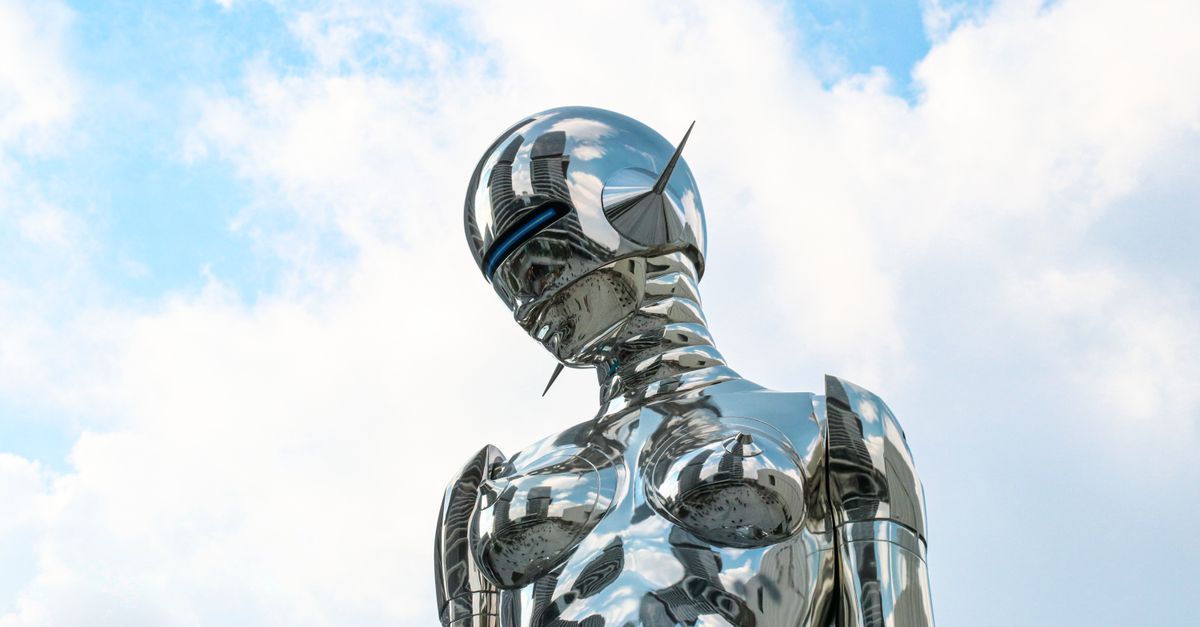
Photo by Google DeepMind on Pexels
The AI Bubble?
The AI bubble may be bursting. At least, that’s what some experts are suggesting. Instead of touting AI as a revolutionary technology that will change the world, some are urging caution. This skepticism is not unfounded, as the technology has yet to deliver on many of its promised benefits.
A History of Overpromise
The concept of AI has been around for decades, but it has only been in recent years that it has gained significant attention. The idea of creating intelligent machines that can think and act like humans has long fascinated scientists and philosophers. However, the reality of AI is far more mundane.
The Technical Reality
AI is not a product, but a technology. It’s a set of tools and techniques that can be used to solve specific problems. At AWS, for example, machine learning and AI technologies are being used to improve logistics and supply chain management. Flexport, a logistics company, is using AI to enhance its core platforms and provide unmatched visibility and control from factory floor to customer door. This practical application of AI is a far cry from the fantastical notions often associated with the technology.
The Hype and the Fantasy
But AI is also a fantasy. Some experts, like Eliezer Yudkowsky, envision a future where AI will grant us perfect health, immortality, and the ability to reshape the universe. While these ideas are intriguing, they are not supported by the current state of AI technology. According to Adam Becker, these ambitions are nothing new and are based on older ideas that have been repackaged with new terms.
What’s Next?
So, what’s next for AI? As the technology continues to evolve, we can expect to see more practical applications and less hype. The Biden administration has bet on AI as a key component of national security, while the Trump administration and its allies in the Gulf are exploring its potential for strategic advantage. However, it’s essential to separate the hype from the reality and to take a skeptical view of its potential.
The Skeptical View
Not everyone is convinced that AI will revolutionize the world. Some experts argue that the idea of AI is often used to justify fantastical notions that have little to do with reality. Instead of getting caught up in the hype, it’s time to take a closer look at what AI can actually do. This skepticism is not a dismissal of the technology’s potential but rather a call for a more nuanced understanding of its capabilities.
Industry Context
The AI industry is rapidly evolving, with new players and new technologies emerging all the time. According to recent reports, the global AI market is expected to grow significantly in the coming years, driven by increasing demand for automation and data analysis. As the industry continues to grow, we can expect to see more practical applications of AI and less emphasis on its potential to revolutionize the world.
Technical Mechanics
At its core, AI is a set of tools and techniques that can be used to solve specific problems. Machine learning, a subset of AI, involves training algorithms on data to enable them to make predictions or take actions. While AI has the potential to automate many tasks, it’s not a replacement for human judgment and oversight. The development of AI requires a deep understanding of the underlying data and the specific problem being addressed.
History of AI Development
The development of AI has been marked by a series of false starts and overpromises. In the 1980s, AI was hailed as a revolutionary technology that would change the world. However, the reality was far more mundane, and the technology failed to deliver on its promises. A similar pattern has emerged in recent years, with AI being touted as a solution to a wide range of problems. However, it’s essential to approach these claims with a critical eye and to evaluate the technology based on its actual capabilities.
Downstream Implications
The downstream implications of AI are significant. As the technology continues to evolve, we can expect to see new applications and new industries emerge. However, we can also expect to see new challenges and new risks. The development of AI requires a deep understanding of the potential consequences and a commitment to responsible innovation.
Broader Impact on Education and Employment
The impact of AI on education and employment is a topic of much debate. As AI continues to automate tasks, there is a risk that many jobs will become obsolete. However, there is also the potential for AI to create new job opportunities and to enhance the skills of workers. It’s essential to consider the broader implications of AI and to develop strategies for mitigating its negative effects.
Conclusion
The AI bubble may be bursting, but the technology itself is here to stay. As we move forward, it’s essential to separate the hype from the reality and to take a skeptical view of its potential. Only then can we truly understand what AI can do and what it can’t.
Future Developments
As AI continues to evolve, we can expect to see new developments and new applications. However, it’s essential to approach these developments with a critical eye and to evaluate the technology based on its actual capabilities. By doing so, we can ensure that AI is developed and used in a responsible and sustainable way.
Updates
- 2026-09-03 — Philips Hue adds Nanoleaf’s light panels to its ecosystem with a $40 module (source)
Related Articles
Designing with AI
AI is changing the design process, enabling faster and more efficient creation, but also raising questions about its limitations and potential biases.

Lucen AI: Overhyped Dating Coach?
Lucen, an AI dating coach app, promises to decode relationships and provide actionable advice. But does it live up to the hype?