

Inside the Surveillance State: Tech and Domestic Spying


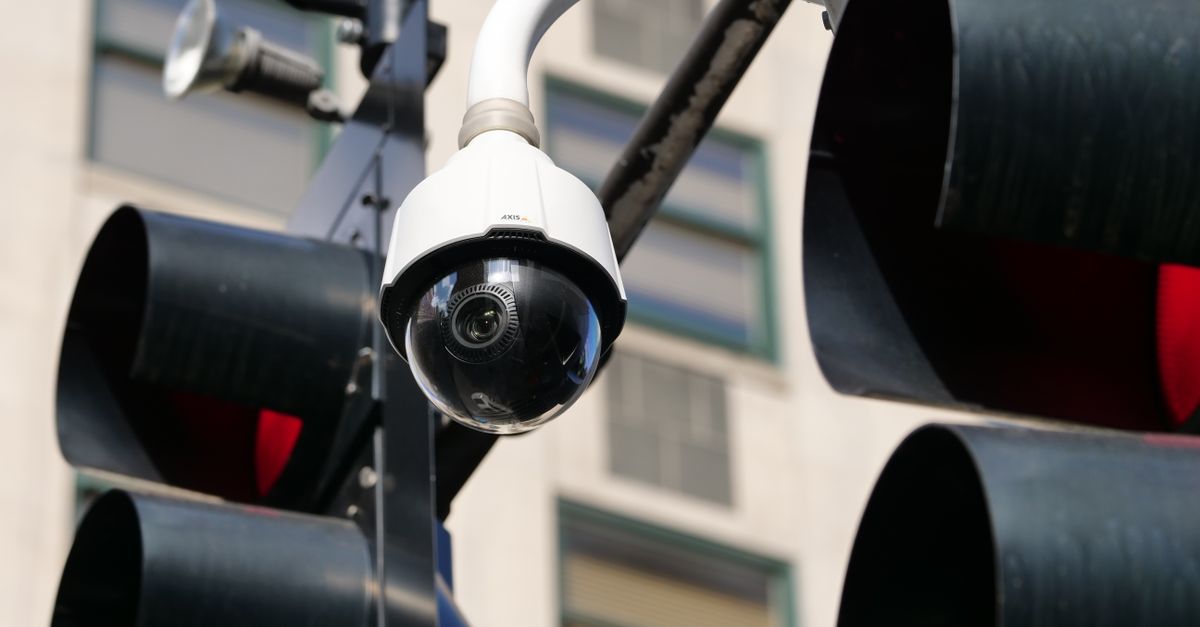
Photo by Xayriddin Baxromxo'jayev on Pexels
The Web of Surveillance
The US Department of Homeland Security (DHS) has spent billions on high-tech surveillance since 9/11, with big tech companies like Microsoft, LexisNexis, and Palantir cashing in. A new report from The Action Center on Race & the Economy (ACRE), LittleSis, MediaJustice, and the Surveillance, Tech, and Immigration Policing Project reveals how these companies benefit from a hidden source of funding that requires states to spend on law enforcement activities if they want emergency response funds.
This funding mechanism, tied to FEMA’s Urban Area Security Initiative (UASI) grants, has led to the militarization of local police forces and the expansion of surveillance technologies. The report specifically highlights how tech companies are profiting from the creation of data fusion centers, where local, state, and federal governments share data with private companies.
The Players Involved
Palantir, a company known for its work with ICE and its ideological bent, has positioned itself as a defender of “the West.” The company’s involvement in surveillance efforts has raised concerns about its role in fueling domestic spying. LexisNexis, another company cited in the report, provides information to law and immigration enforcement, and has been linked to cases of mistaken identity and detention.
Microsoft, a major provider of cloud computing services to DHS, has also played a significant role in the development of surveillance technologies. The company’s push for the creation of data fusion centers has enabled the sharing of data between governments and private companies.
The Impact on Privacy and Civil Liberties
The expansion of surveillance technologies has significant implications for privacy and civil liberties. Americans are increasingly concerned about the collection and use of their personal data, with many feeling that they are under surveillance when in public. A Pew Research Center survey found that Americans feel privacy is important in their daily lives, but have a pervasive sense that they are being watched and have little control over their data.
The use of surveillance technologies has also been criticized for its disproportionate impact on communities of color. The report from ACRE and its partners argues that these technologies are not being misused, but rather used exactly as intended by the companies that created them.
What to Watch
As the use of surveillance technologies continues to expand, it’s clear that the debate over privacy and civil liberties will only intensify. The TSA’s PreCheck program, for example, has raised questions about the trade-offs between security and convenience. As the Department of Homeland Security celebrates its 20th anniversary, it’s time to take a step back and assess the impact of its programs on our society.
The next step in this debate is likely to be a renewed focus on reforming surveillance powers and ensuring that tech companies are not fueling the growth of a surveillance state. With the rise of new technologies and the increasing use of data fusion centers, it’s more important than ever to prioritize transparency and accountability in the use of surveillance technologies.
Updates
- 2026-09-11 — John Ternus and Greg Joswiak reveal why now is the time for iPhone Duo (source)
- 2026-08-25 — Sony phones in an update to the midrange Xperia 10 and slaps a sizable price hike on it (source)
- 2026-08-24 — Raspberry Pi shares its official tutorial for making a cyberdeck (source)
- 2026-08-07 — Pixelated 111: Primetime prep for Made By Google (source)
- 2026-05-29 — What happens when companies become too AI-pilled? (source)
- 2026-05-28 — Nintendo’s newest WarioWare is a weirdo smartphone app (source)
- 2026-05-09 — Workers for Xbox studio Double Fine are forming a union (source)
- 2026-05-04 — GameStop offers $56 billion for eBay, struggles to explain how it’ll pay for it (source)
- 2026-05-04 — The best Star Wars Day deals (source)
- 2026-05-01 — Dreame — the vacuum company — just ‘launched’ its own phones (source)
- 2026-04-24 — The Best Cordless Vacuums for Your Whole House (2026) (source)
Related Articles

Microsoft Bans School Data for AI as Labor Pushes Back on Tech
Microsoft agreed not to use teacher‑union data for AI training, while unions, model releases, and autonomous‑car safety signal a new friction point for the industry.

TikTok settles for $400M as regulators tighten grip on social
TikTok pays $400 million to end a DOJ COPPA case while Meta faces a child‑safety lawsuit and other firms grapple with consumer‑protection scrutiny.
Facial ID breach, Cricut hack
Three recent incidents expose gaps in consent, device reuse, and municipal surveillance, prompting calls for tighter oversight.