

ICE Awards $25M Iris-Scanning Contract


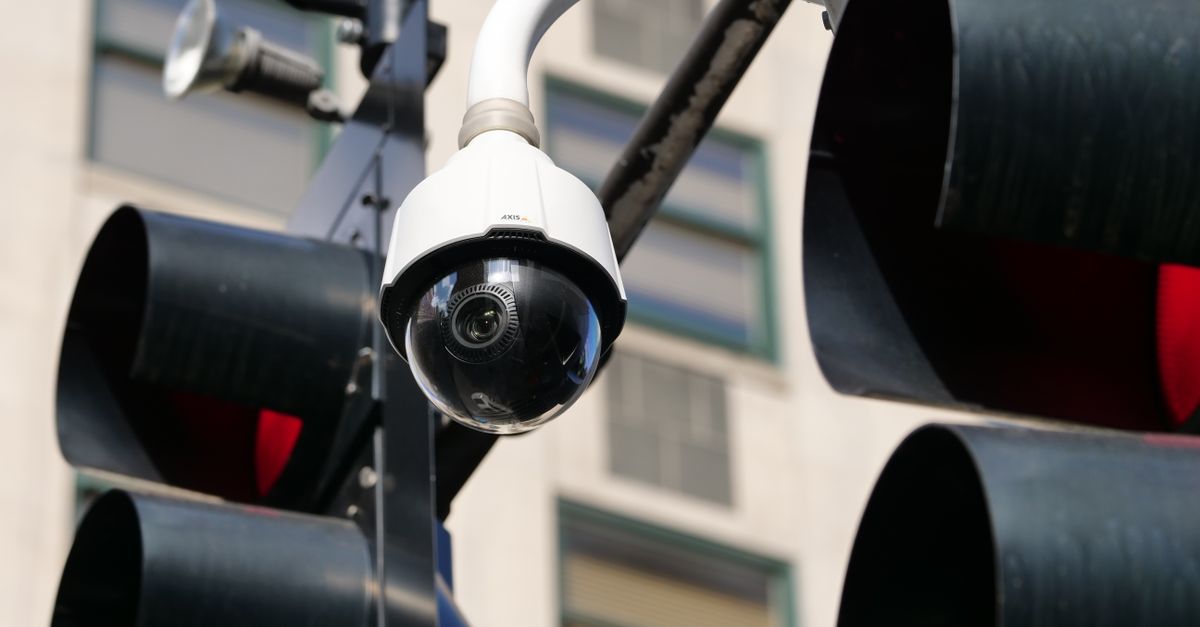
Photo by cottonbro studio on Pexels
ICE’s Iris-Scanning Contract
The US Immigration and Customs Enforcement (ICE) has awarded a $25 million contract to Bi2 Technologies for iris-scanning technology. This move has raised concerns over privacy and surveillance, particularly given the sensitive nature of biometric data. The contract, valued at $25 million, was awarded on August 26, according to a report by Project Saltbox.
Bi2 Technologies and the Contract
Bi2 Technologies, a company based in Virginia, will provide ICE with an iris-scanning system designed to rapidly identify individuals. The system is expected to be used for identification purposes, though details on its deployment remain scarce. The technology is considered to be highly accurate, with a low rate of false positives. However, concerns have been raised about the potential for errors, particularly in cases where individuals have certain medical conditions or are wearing glasses.
The iris-scanning system works by capturing high-resolution images of an individual’s iris, which are then compared to a database of known iris patterns. This process allows for rapid identification, but also raises concerns about the storage and security of sensitive biometric data.
Privacy and Surveillance Concerns
The use of iris-scanning technology by ICE has sparked concerns among privacy advocates and civil liberties groups. They argue that such technology can be used for mass surveillance and could potentially infringe on individuals’ right to privacy. ‘This is a deeply troubling development,’ said one critic, who wished to remain anonymous. ‘The use of biometric data for surveillance purposes raises serious concerns about the potential for abuse.’
The concerns are not limited to the potential for abuse by ICE. The data collected could also be vulnerable to hacking or other security breaches, potentially exposing sensitive information about individuals. This has led to calls for greater transparency and oversight in the use of biometric technology by government agencies.
Industry Context
The awarding of this contract to Bi2 Technologies comes at a time when the use of biometric technology is becoming increasingly prevalent in the public sector. Iris-scanning technology, in particular, has been used in various applications, including border control and law enforcement. However, the use of such technology by ICE has raised questions about the balance between national security and individual privacy.
The use of biometric technology for identification purposes dates back to the early 20th century. However, it wasn’t until the 1990s that the technology began to be widely used in commercial applications. Today, biometric technology is used in a variety of sectors, including border control, law enforcement, and finance.
The increasing use of biometric technology has led to a growing debate about its implications. While some argue that it is a necessary tool for national security and law enforcement, others are concerned about its potential impact on individual privacy. The ICE contract has added fuel to this debate, highlighting the need for greater discussion and oversight.
History of Biometric Technology in Government
The use of biometric technology by government agencies is not new. In the aftermath of the 9/11 attacks, the US government began to increase its use of biometric technology for identification purposes. This included the introduction of the REAL ID Act, which required states to verify the identity of individuals applying for driver’s licenses.
Since then, the use of biometric technology has continued to expand. The Department of Homeland Security, which oversees ICE, has been at the forefront of this expansion. The use of iris-scanning technology by ICE is just the latest example of this trend.
What’s Next
As the use of biometric technology continues to expand, it is likely that we will see further controversy and debate over its use. In the coming months, it will be important to watch for developments on the implementation of Bi2 Technologies’ iris-scanning system, as well as any potential pushback from lawmakers or civil liberties groups. The next key date to watch is the expected deployment timeline of the system, which remains unclear at this time.
The ICE contract has also raised questions about the role of Bi2 Technologies in the biometric industry. The company has previously worked with government agencies, but this contract represents a significant expansion of its work in this area. It will be interesting to see how the company responds to the concerns raised by this contract, and how it plans to address the challenges associated with the use of biometric technology.
Downstream Implications
The use of iris-scanning technology by ICE has significant implications for individuals who may be subject to identification. The technology has the potential to be used in a variety of contexts, from border control to law enforcement. This has raised concerns about the potential for mass surveillance and the impact on individual privacy.
The contract has also raised questions about the potential for bias in the use of biometric technology. There have been concerns about the accuracy of facial recognition technology, which is also used for identification purposes. The use of iris-scanning technology may be more accurate, but it is still important to consider the potential for bias and its implications.
Technical Mechanics of Iris-Scanning
Iris-scanning technology works by capturing high-resolution images of an individual’s iris, which are then compared to a database of known iris patterns. The technology is considered to be highly accurate, with a low rate of false positives. However, concerns have been raised about the potential for errors, particularly in cases where individuals have certain medical conditions or are wearing glasses.
The iris-scanning system used by Bi2 Technologies is designed to rapidly identify individuals. The system works by capturing images of the iris and comparing them to a database of known patterns. This process allows for rapid identification, but also raises concerns about the storage and security of sensitive biometric data.
Conclusion
The ICE contract with Bi2 Technologies represents a significant expansion of the use of biometric technology in the public sector. The use of iris-scanning technology has raised concerns about privacy and surveillance, and has added fuel to the debate about the implications of biometric technology. As the use of this technology continues to expand, it will be important to watch for developments and to consider the potential implications for individuals and society as a whole.
The contract has also highlighted the need for greater transparency and oversight in the use of biometric technology by government agencies. This includes ensuring that the technology is used in a way that is consistent with individual rights and freedoms, and that it is not used for mass surveillance or other purposes that could infringe on individual privacy.
Ultimately, the use of iris-scanning technology by ICE represents a complex issue with significant implications. While the technology has the potential to be used for identification purposes, it also raises concerns about privacy and surveillance. As the debate continues, it will be important to consider the potential implications of this technology and to ensure that it is used in a way that is consistent with individual rights and freedoms.
Updates
- 2026-05-26 — Motorola phones have started hijacking the Amazon app to insert affiliate codes [Video] (source)
Related Articles
Facial ID breach, Cricut hack
Three recent incidents expose gaps in consent, device reuse, and municipal surveillance, prompting calls for tighter oversight.

Microsoft Bans School Data for AI as Labor Pushes Back on Tech
Microsoft agreed not to use teacher‑union data for AI training, while unions, model releases, and autonomous‑car safety signal a new friction point for the industry.

Privacy Battles Heat Up as Tech Giants Face New Lawsuits
Federal whistleblower, Ring, and LinkedIn confront lawsuits over surveillance tactics, raising stakes for user privacy enforcement.