

Facial ID breach, Cricut hack

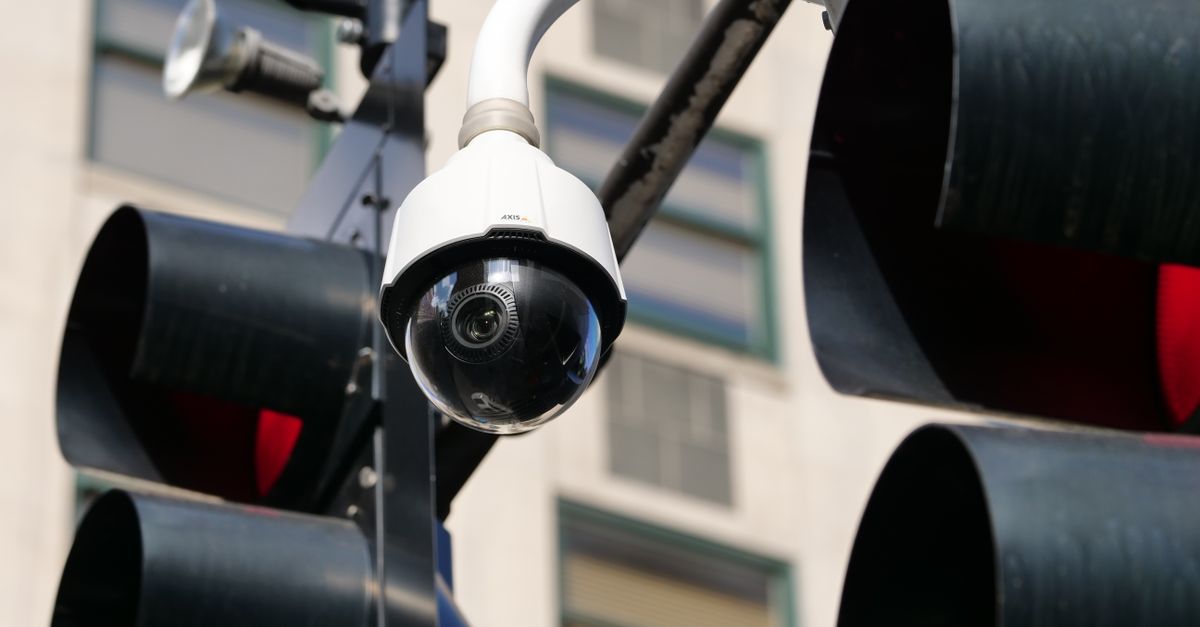
Photo by Giant Asparagus on Pexels
ClarityCheck left millions of face photos exposed on the public internet. The facial‑identification service posted the images without any user consent, 9to5Mac reported. The breach likely affected users who never uploaded a picture to the platform. The company has not disclosed how the data became reachable.
The exposure underscores a recurring problem: facial‑ID providers often collect images under vague terms and store them in unsecured buckets. When a bucket is misconfigured, anyone with a web browser can retrieve the files. In this case, the bucket indexed the photos by numeric IDs, making bulk scraping trivial. The lack of an opt‑out mechanism means victims cannot request removal.
Beyond the immediate privacy loss, the breach threatens downstream services that rely on the same image set. Researchers have warned that scraped faces can train counterfeit models, eroding trust in biometric authentication. Regulators in the EU and several US states have begun drafting stricter consent rules for biometric data, but enforcement remains uneven.
Unlocking a deactivated Cricut Maker revives e‑waste
A July 1, 2026 post on SprocketFox described a method to unlock a locked or deactivated Cricut Maker. The guide showed how to bypass the device’s firmware lock and restore cutting functionality. The Cricut Maker is a desktop cutter used by hobbyists to produce vinyl decals, paper art, and fabric pieces.
The author demonstrated the process on a unit that had been discarded as e‑waste. By flashing a custom bootloader and resetting the authentication token, the cutter accepted new design files. The post attracted 122 points and 33 comments on Hacker News, indicating community interest in extending the life of otherwise obsolete hardware.
Proponents argue that unlocking such devices reduces landfill pressure. Critics point out that manufacturers embed locks to enforce subscription services and protect intellectual property. The technique skirts legal gray zones in jurisdictions where circumvention of digital locks is prohibited, even for repair purposes.
Police officer used Flock cameras to track estranged wife 717 times
A police officer accessed a municipal Flock camera network 717 times to monitor his estranged wife, WSBTV reported. The officer logged into the system using his badge credentials and queried live feeds from cameras near the woman’s residence.
The affidavit revealed that the officer’s actions spanned several months and lacked any documented investigative justification. Flock cameras are public‑safety devices intended for traffic monitoring and crime prevention. Their footage is typically archived for a limited period and accessed only by authorized personnel.
The case raises questions about internal oversight of camera access logs. While the department claims the officer violated policy, the broader issue is the ease with which a single badge can retrieve granular location data. Civil liberties groups have called for audit trails and multi‑factor authentication for municipal surveillance systems.
Context: overlapping privacy failures across tech domains
The three incidents share a common thread: technology that collects or stores personal data is often deployed without robust safeguards. Facial‑ID services like ClarityCheck aggregate biometric data at scale, yet many operators neglect encryption and access controls. The result is a low‑cost target for mass scraping.
Consumer hardware such as the Cricut Maker illustrates a different privacy angle. When manufacturers lock devices, they create a dependency on proprietary ecosystems. Unlocking the hardware can restore functionality but may also expose firmware vulnerabilities that could be weaponized if left unchecked.
Municipal camera networks exemplify institutional surveillance. Flock cameras provide city‑wide visual coverage, but the same infrastructure can be repurposed for personal vendettas when access controls are weak. The officer’s 717 queries demonstrate how a single credential can become a surveillance tool in the hands of an individual.
Taken together, these cases highlight a regulatory gap. Existing privacy statutes focus on data controllers, but they rarely address the intersection of biometric data, consumer device locks, and public‑sector video feeds. Industry standards for secure storage, transparent consent, and auditability remain uneven.
What to watch
Watch for legislative proposals that tighten biometric consent requirements in the United States, especially bills modeled after Illinois’ BIPA. Track whether the Federal Trade Commission issues new guidance on securing image buckets used by AI services. Monitor court rulings on the legality of unlocking consumer hardware for repair versus violating anti‑circumvention statutes. Finally, follow municipal procurement policies that may mandate multi‑factor authentication and regular audits for camera networks after the WSBTV case draws public attention.
These developments will shape how engineers, product teams, and public officials balance functionality with the right to privacy.
Updates
- 2026-09-16 — Nintendo opens up Fire Emblem with the gigantic Fortune’s Weave (source)
Related Articles

ICE Awards $25M Iris-Scanning Contract
The US Immigration and Customs Enforcement (ICE) has awarded a $25 million contract to Bi2 Technologies for iris-scanning technology, sparking concerns over privacy and surveillance.
Apple’s Fall Blitz Mixes New Gear, TV Marathons
Apple drops a four‑week TV premiere marathon, launches Watch Ultra 4, Series 12 and AirPods 5, and faces app and listening concerns with the upcoming iPhone Duo.

Microsoft Bans School Data for AI as Labor Pushes Back on Tech
Microsoft agreed not to use teacher‑union data for AI training, while unions, model releases, and autonomous‑car safety signal a new friction point for the industry.