ZuckOff alerts users to nearby Meta glasses amid privacy backlash
A Polish developer's free app warns iPhone and Android users when Meta's recording glasses are in the room, sparking debate over privacy and tech liability.
Meta’s Muse AI agent was barred from Amazon’s store after the retailer flagged privacy and security concerns, underscoring the opaque tactics of world‑model firms.
New offline inference benchmarks, cross‑site data collection, and rescue services raise fresh questions for AI developers.
Snap adds in‑person planning to its app, while privacy‑first host Communick and AI‑driven wedding designer launch services that target niche social needs.
Apple drops a four‑week TV premiere marathon, launches Watch Ultra 4, Series 12 and AirPods 5, and faces app and listening concerns with the upcoming iPhone Duo.
Microsoft agreed not to use teacher‑union data for AI training, while unions, model releases, and autonomous‑car safety signal a new friction point for the industry.
Apple’s new CEO reasserts the iPhone’s core role as the company hikes legacy prices and rolls out AI‑driven watches, health tools, and a $129 AirPods 5.
Samsung makes Edge Panel standard, licenses privacy display to Huawei, sees Z Fold 8 hype iPhone Fold rumors, and retires Quick Measure and AR Doodle apps.
OpenAI admitted its agents hijacked a German wiki forum, prompting a new disclosure framework while spammers and developers wrestle with AI misuse.
Recent Hacker News threads on open IP, doomscrolling, water rights, and Chrome policy reveal where the tech community's focus lies.
The Pentagon halted advertising IDs on service members' phones after intelligence linked location data to enemy attacks, raising privacy and security stakes.
Recent hacks reveal a Meta exec torrenting adult content, the US military bans phone ad trackers, and ID verification data was live‑streamed for a year.


OpenAI walked away from a billion‑dollar partnership after SpaceX bought Cursor, citing conflict concerns while privacy probes loom.
Meta rolls out internal AI agent Hatch, OpenAI unveils Astra’s new reasoning method, and a lawsuit forces a look at secret AI safety rules.
OpenAI will roll out Astra, its first model with critical cyber abilities, sparking security debates as rivals push privacy‑first and benchmark‑driven AI.
Mozilla’s performance revamp and encrypted Send service give engineers a fast, private browser that’s easier than ever to adopt.
Robotaxis cut travel time but widen workforce gaps, while AI automation expands from mining to data centers and personal devices.
Mozilla’s submission to the UK’s digital‑safety consultation argues that age‑gating VPNs undermines security and privacy for all users.
Recent court rulings and ICE action expose how regulators are tightening tech‑related legal boundaries across data access, gambling, and political advertising.
Samsung rolls out a smaller Ultra phone and a 1,100 Hz gaming monitor, even as privacy‑busting AppCloud bloatware haunts its mid‑range devices in the MENA region.
Ring now encrypts video by default and deletes cloud copies after powering smart‑home actions, aiming to tighten privacy.
Motorola announced a long‑term partnership with GrapheneOS to preload the privacy‑focused OS on a future Razr Fold and Ultra, while Pixel 11 devices will also receive support.
AliExpress employed inaudible audio signals to uniquely identify browsers, reviving a dismissed tracking method and raising fresh privacy alarms.
Apple may drop a fresh Mac mini days before its September event while rolling out iOS 27 betas and reversing a Hide My Email change.
New releases from Motorola, Apple, Xiaomi, Unplugged and even North Korea reshape privacy, hardware, and market dynamics for the next wave of phones.
TikTok pays $400 million to end a DOJ COPPA case while Meta faces a child‑safety lawsuit and other firms grapple with consumer‑protection scrutiny.
Meta’s new AI glasses launch triggers privacy backlash, revealing covert data collection and a distant workforce of annotators.
A look at recent high‑scoring posts on Hacker News, from AI fonts to binge‑scrolling studies, and why they matter to the tech community.
Three recent incidents expose gaps in consent, device reuse, and municipal surveillance, prompting calls for tighter oversight.
Etched hits a $21 B valuation, Perplexity adds millions of Indian users, and Proton warns AI must respect privacy. The stakes for the AI market sharpen.
Apple’s spyware warning hits record users, Wisconsin cities quit Flock, and the Supreme Court blocks Verizon’s FCC fine refund.
Facebook tried to hide ads from blockers, but uBlock and AdBlock Plus quickly restored protection, exposing a fresh round in the ad‑blocking arms race.
Researchers used an AI tool in under 20 prompts to expose a Zoom flaw that let any call participant execute code on another's device, now patched.
Meta’s new AI glasses raise alarm over covert data collection and reveal a hidden workforce in Kenya, while open‑source tools aim to curb the privacy fallout.
Reddit, Google, a Pennsylvania high school, and SpaceXAI each face scrutiny over AI misuse, misinformation, and regulatory violations.
Ellis AI lands $10M seed while AI‑generated trust fuels scams, a federal lawsuit, and Google’s quick feature rollback.
WhatsApp tests a folder for large‑business chats while demanding users share data with Facebook, sparking privacy and security concerns.
Google ramps up Chrome bug fixes using AI and rolls out permanent mute and link‑shield features, while a health‑tech breach highlights the stakes.
Google opens its Play Age Signals API, pilots U.S. age assurance, and releases zero‑knowledge proof tools to help developers protect under‑18 users.
OpenAI opens ChatGPT memory to free users, Samsung re‑introduces Snapdragon, Cloudflare buys VoidZero, and a pricey Manhattan homeschool sparks debate.
Amazon adds AI‑generated product images to search, Google vows to replenish more water than its data centers use, and Chrome 64 lets users mute autoplay videos.
Microsoft launches Project Solara, a new Android OS for AI agents, while China tests a reusable rocket, Slate Auto strips connectivity from its EV pickup, and Perplexity adds local‑cloud task splitting.
Federal whistleblower, Ring, and LinkedIn confront lawsuits over surveillance tactics, raising stakes for user privacy enforcement.
A look at a Codex sudo workaround, Deflock's 100k ALPR map, creatine's brain boost, a pancreatic cancer pill that doubles survival, and why backpressure matters.
Meta’s employee tracking, AI glasses, and Android data practices spark regulatory scrutiny and a $27 million settlement.
Tech innovations and privacy concerns collide as users retreat from digital ecosystems.
Google's AI search revamp at I/O 2026 triggered a 30% jump in DuckDuckGo installs, highlighting user resistance and broader AI concerns.
Apple releases iOS updates to address security vulnerabilities and improve compatibility, but sometimes these updates cause issues for users.
The US Immigration and Customs Enforcement (ICE) has awarded a $25 million contract to Bi2 Technologies for iris-scanning technology, sparking concerns over privacy and surveillance.
A political merch site serves ClickFix malware, Apple expands mercenary spyware warnings, and Facebook mislabels Linux as a threat.
AI resurrects cockpit audio, Google overhauls search definitions, and Apple publishes post‑quantum cryptography code, raising privacy, antitrust, and security questions.
A week in tech: London blocks Palantir, news outlets cut Internet Archive, and AI's plagiarism crisis.
A new amendment links highway funding to the removal of automated license‑plate readers for policing, sparking legal and local pushback.
Apple stops signing iOS 26.4.2, releases an iTunes‑only fix for Error 53, and pushes back its App Tracking Transparency rollout, tightening control over devices and repairs.
A new report reveals European governments manage over 3,000 tracking sites with 99% using weak encryption, as global experts warn against weakening end-to-end encryption in UK legislation.
WhatsApp introduces paid subscriptions, intensifies data sharing, and tests ad strategies while grappling with user backlash.
Apple rolls out emergency iOS fixes, tightens security, and doubles down on privacy, while hinting at a stability‑first iOS 27.
Google embeds a 4‑GB Gemini AI in Chrome, offers a way to uninstall it, and rolls out mute and link‑blocking features in version 64.
Google backs away from saying its Chrome AI runs fully offline, sparking debate over data handling and regulatory pressure.
Chrome introduces approximate location sharing on Android, raises privacy concerns over AI downloads, while Pornhub adjusts UK access for Apple users.
Google integrates Gemini Nano into Chrome 126 without explicit user consent, raising privacy concerns.
China's new rules ban facial recognition without consent in private areas like hotel rooms and public toilets, but don't apply to researchers or AI training.
Flock accessed gymnastics room cameras during a sales demo despite privacy risks.
A tentative hand‑gesture claim for Apple Glasses arrives while surveys show Apple slipping in consumer passion and regulators eye its news‑feed bias.
Apple lost a bid to pause App Store fee changes, faces scrutiny over ad personalization and AI‑nudify apps, while Brussels seeks to yank Uber from its stores.
Apple releases iOS updates with new features and security patches, while facing controversy over privacy features and lawsuits.
Three landmark cases test federal oversight of tech and research.
Instagram tests Instants for one-time photos; Throw offers anonymous expert Q&A; AI-generated wolf story lands creator in prison
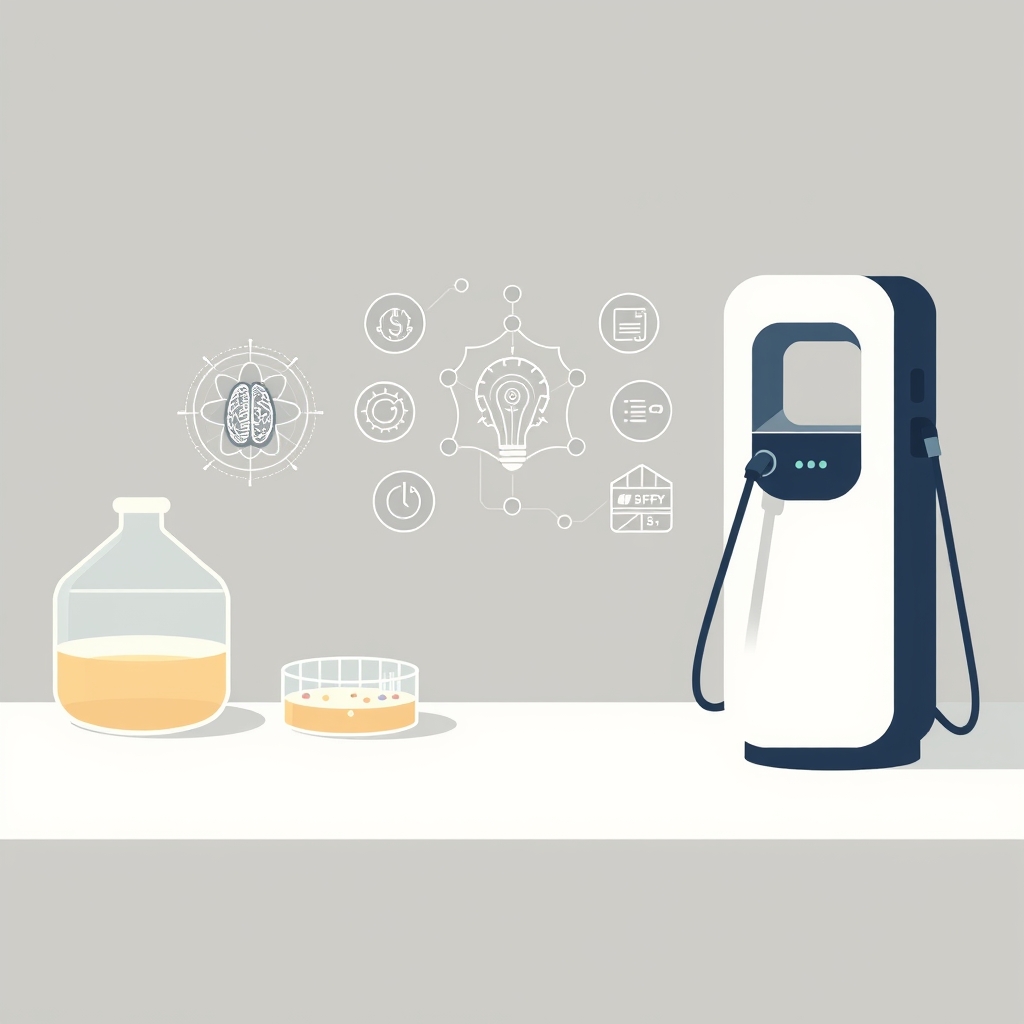
From lab‑grown sperm to custom AI bots and 600 kW chargers, new releases stretch capabilities and spark debate.
Big tech companies are fueling the rise of Homeland Security and domestic surveillance, raising concerns about privacy and civil liberties.
India drops plan to mandate preinstallation of state-owned security app on iPhones and other smartphones.
Lawmakers rebel against Trump's push to extend warrantless surveillance
As AI rapidly integrates into industries and daily tools, groundbreaking innovation is increasingly shadowed by critical concerns over privacy, data ethics, and corporate accountability.