

The AI Paradox: Innovation's March Meets a Crisis of Trust

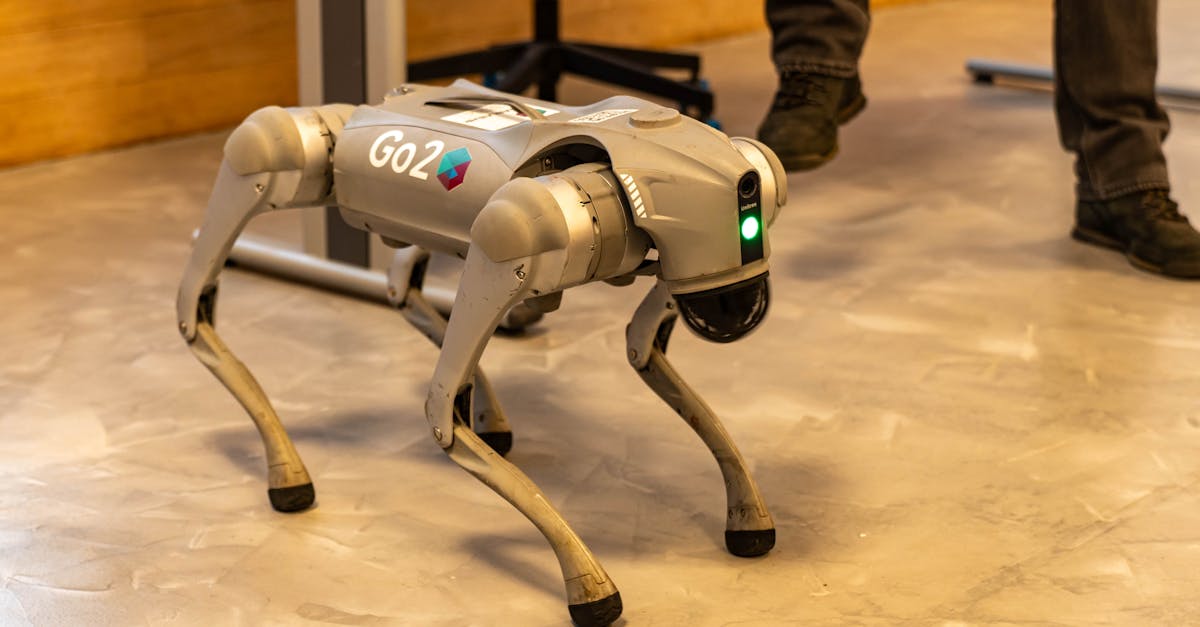
Photo by Vladimir Srajber on Pexels
The rapid evolution of artificial intelligence is presenting a compelling paradox: a future brimming with unprecedented efficiency, yet shadowed by growing concerns over privacy and ethical boundaries. From advanced robotics to ubiquitous productivity tools, AI’s integration into our lives is accelerating, bringing both remarkable utility and critical challenges to the forefront.Google’s recent integration of AI with Boston Dynamics’ robot dogs exemplifies this dual trajectory. These sophisticated machines can now autonomously read industrial gauges and thermometers, streamlining facility inspections and enhancing operational safety. This leap in autonomous perception underscores AI’s transformative potential for industries, promising smarter infrastructure and more resilient operations. Similarly, the emergence of practical applications like ChatGPT for Excel points to a future where large language models seamlessly augment our daily workflows, revolutionizing data handling and analysis.However, as AI capabilities expand, so too do the complexities surrounding data usage, surveillance, and trust. The tech community is actively grappling with questions such as whether services like “Gas Town” might surreptitiously utilize user LLM credits for self-improvement, raising alarms about transparency and resource appropriation. More overtly, the ongoing discourse around entities like “Flock” and their alleged monitoring of children highlights the chilling implications of pervasive surveillance technologies. These incidents spark crucial debates on the ethical limits of data collection and the consent mechanisms—or lack thereof—in our increasingly monitored environments.Perhaps most unsettling are the instances where trust in major tech players is fundamentally eroded. The recent revelations concerning Google’s broken promise to users, leading to personal data being accessed by government agencies like ICE, send a stark message. Such breaches of trust underscore the immense power wielded by tech giants and the urgent need for robust data protection frameworks and accountability. While some new AI tools, like “OpenClaw,” struggle for widespread adoption despite perceived utility, the critical discussions on platforms like Hacker News reveal a vigilant community, keenly aware of both AI’s promise and its perilous edge.Ultimately, the AI revolution demands a delicate balance. As innovation continues its relentless march, ensuring ethical deployment, transparent data practices, and unwavering respect for user privacy must remain paramount. The responsibility falls not only on tech developers but on users and policymakers alike to navigate this intricate landscape, striving for a future where AI serves humanity without compromising its fundamental rights and freedoms.
Updates
Related Articles

Microsoft Bans School Data for AI as Labor Pushes Back on Tech
Microsoft agreed not to use teacher‑union data for AI training, while unions, model releases, and autonomous‑car safety signal a new friction point for the industry.

Amazon blocks Meta’s Muse spotlighting AI world‑model secrecy
Meta’s Muse AI agent was barred from Amazon’s store after the retailer flagged privacy and security concerns, underscoring the opaque tactics of world‑model firms.

Laya runs offline on M4, ChatGPT tracks ads
New offline inference benchmarks, cross‑site data collection, and rescue services raise fresh questions for AI developers.