

Bipartisan Bill Threatens Police License Plate Readers


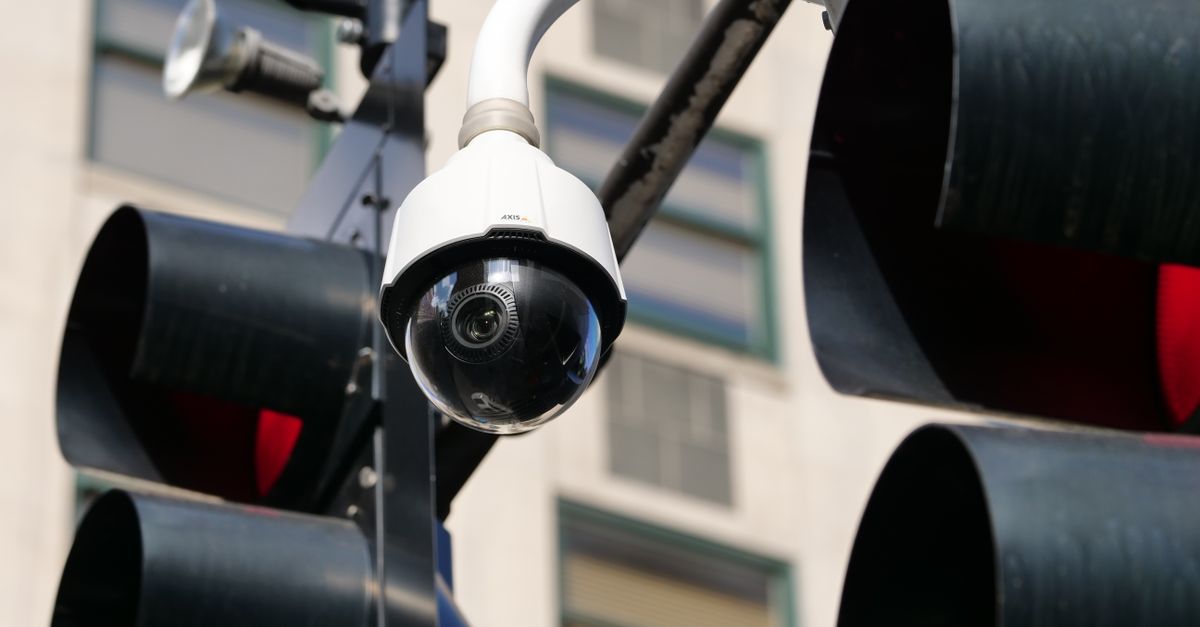
Photo by R9 Media Photo Collective on Pexels
Federal Bill Targets Police License Plate Readers
A bipartisan amendment tucked into the latest federal highway bill would strip funding from any city or state that continues to run automated license‑plate readers for policing. The amendment ties the receipt of federal highway funds to the elimination of all automated plate‑tracking programs except those used for toll collection, a provision that would force jurisdictions to dismantle thousands of existing readers.
Proponents argue the move curtails a surveillance tool that has expanded without clear oversight. Critics warn that the funding lever could cripple law‑enforcement data‑sharing networks that rely on real‑time vehicle identification. The language is brief, but its financial impact is broad: any jurisdiction that refuses to comply risks losing billions allocated for highway repair and expansion.
Local Backlash Shows Growing Resistance
The federal push mirrors a wave of municipal actions against surveillance software. In a small town that recently banned the social‑media aggregation platform Flock, the councilmember who championed the ban resigned in protest and floated a proposal to ban internet and phone services outright. The episode, reported on Hacker News, illustrates how local officials sometimes react dramatically when faced with community pressure over digital monitoring tools.
The town’s ban on Flock was a direct response to concerns that the platform facilitated mass data collection. The councilmember’s subsequent internet‑and‑phone ban proposal, while extreme, underscores a broader anxiety: residents are demanding tangible limits on any technology that could be repurposed for surveillance. The episode also highlights how municipal decisions can quickly become flashpoints in the national debate over digital privacy.
First Amendment Litigation Signals Legal Pressure
Legal challenges are emerging alongside policy moves. A Tennessee man who spent 37 days in jail after posting a meme about former President Donald Trump secured an $835,000 settlement after filing a First Amendment lawsuit. The case, highlighted on Hacker News, demonstrates how courts are willing to award substantial damages when government actions infringe on protected speech.
While the meme case does not involve license‑plate readers, it signals a judicial willingness to scrutinize governmental overreach. Civil‑rights advocates see the settlement as a precedent that could be leveraged against surveillance practices that lack clear statutory authority. The financial penalty attached to the settlement may encourage municipalities to reconsider aggressive data‑collection programs that could be deemed unconstitutional.
Implications for the Surveillance Industry
If the amendment passes, vendors that supply automated license‑plate readers will lose a sizable market segment. Companies that have built business models around law‑enforcement contracts could see revenue contracts evaporate, leaving only toll‑collection customers. The shift would likely accelerate a pivot toward hardware that can be marketed for transportation infrastructure rather than policing.
Industry analysts note that the technology itself is not disappearing; rather, its permissible use cases are narrowing. Existing readers can be repurposed for tolling, but the software pipelines that enable real‑time alerts to officers would need to be disabled. This technical reconfiguration could increase operational costs for agencies that wish to retain any policing capability, potentially prompting a migration to alternative identification methods such as facial‑recognition cameras, which are not covered by the amendment.
What to Watch
The amendment’s fate hinges on the upcoming vote in the Senate transportation committee. Watch for statements from the committee chair, who has framed the provision as a privacy safeguard, and from the House Appropriations Committee, which controls the purse strings for highway projects. In parallel, monitor any litigation that cites the amendment as a basis for challenging existing ALPR deployments. The convergence of federal funding pressure, local bans, and First Amendment settlements suggests a pivotal moment for the United States’ surveillance architecture.
Updates
Related Articles

Microsoft Bans School Data for AI as Labor Pushes Back on Tech
Microsoft agreed not to use teacher‑union data for AI training, while unions, model releases, and autonomous‑car safety signal a new friction point for the industry.
Facial ID breach, Cricut hack
Three recent incidents expose gaps in consent, device reuse, and municipal surveillance, prompting calls for tighter oversight.

Privacy Battles Heat Up as Tech Giants Face New Lawsuits
Federal whistleblower, Ring, and LinkedIn confront lawsuits over surveillance tactics, raising stakes for user privacy enforcement.