

Starship's final test flight clears the way for bigger rockets

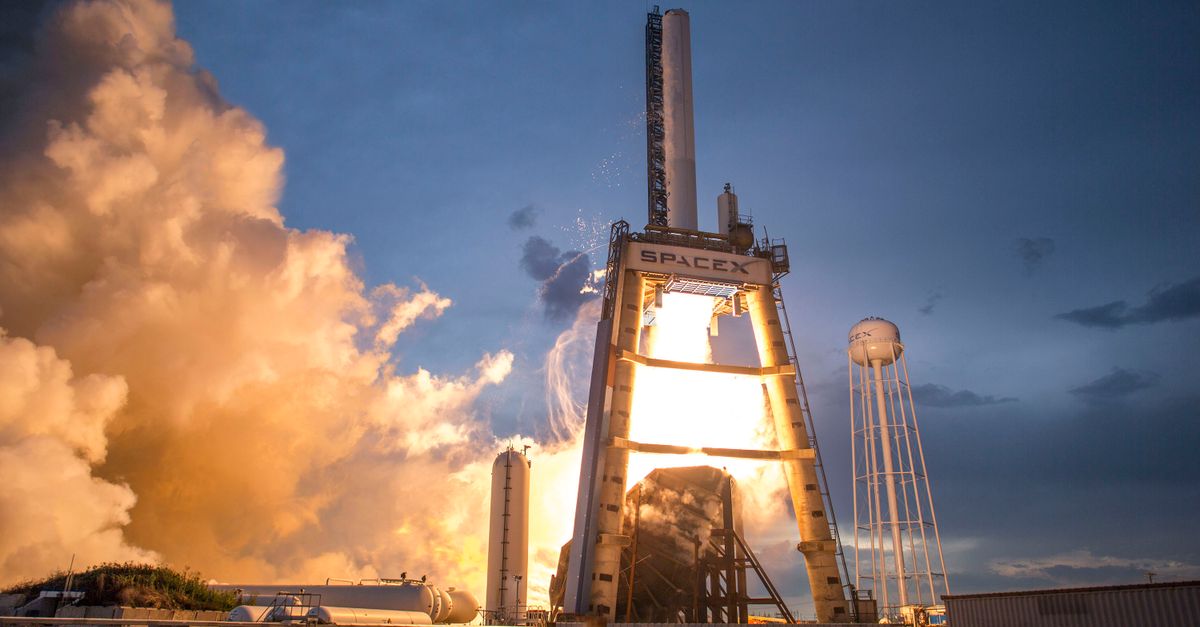
Starship’s swan song
On Oct 13, SpaceX lifted off the 11th Starship test from Starbase in South Texas. The flight marked the last launch of the current Version 2 vehicle and ended in a clean sub‑orbital flight. Dan Huot cheered on the webcast, “Let ‘em hear it, Starbase! What a day!”.
Version 2 stands 403 feet tall, can loft 165 tons to orbit, and is built for rapid reuse. Both the Super Heavy booster and the upper stage, called Ship, are meant to land back on the pad and be caught by the launch tower’s “chopstick” arms. The next iteration will grow to about 408 feet, add three Raptor engines, and push payload capacity higher.
NASA’s crew rescue
NASA launched Crew‑10 on March 14 at 7:04 p.m. EDT from Kennedy Space Center. A Falcon 9 carried four astronauts—Nichole Ayers, Anne McClain, Kirill Peskov, and Takuya Onishi—toward the ISS. The Dragon capsule is slated to dock at 11:30 p.m. EDT on March 15.
The mission returns Butch Wilmore and Sunni Williams, who have spent nine months aboard the station after Boeing’s Starliner failed. The Starliner suffered five helium leaks and five reaction‑control‑system thruster failures, forcing an early abort and a crew‑less return on Sep 6. Wilmore told reporters from orbit, “We came up prepared to stay long, even though we planned to stay short. That’s what we do in human spaceflight.”
The mechanics behind Starship’s rapid turnaround
SpaceX’s reuse plan hinges on catching both stages with the tower’s arms. The company has demonstrated three successful Super Heavy catches, but a full‑stage Ship recovery has yet to happen. Each catch lets crews inspect the vehicle on the pad, trim turnaround time, and aim for multiple launches per day.
The Oct 13 flight proved the vehicle’s structural integrity after a month‑long sea tow and a 24‑day exposure to salty air, according to a team of SpaceX engineers heading back for further analysis. The test also verified the Raptor engines’ throttling performance in a sub‑orbital trajectory.
Space junk, metal dust, and a weakening magnetosphere
A new pre‑print paper by Sierra Solter‑Hunt argues that metallic particles from re‑entering satellites could form a conductive layer in the ionosphere. In a worst‑case scenario, that layer might halve the magnetosphere’s protective reach, exposing the atmosphere to solar radiation.
Solter‑Hunt estimates that between 500 000 and 1 million private satellites could orbit Earth in coming decades. If all those craft burn up, the amount of metallic dust could increase by billions of times the current level. Other researchers acknowledge the calculation’s uncertainty but agree that the scale of the problem needs quantification.
What to watch
SpaceX plans to fly the larger Version 3 Starship in 2025, with a full orbital test expected before the end of the decade. NASA’s next crewed launch will follow Crew‑10, while the agency reviews re‑entry monitoring standards in light of the dust hypothesis. Tracking those launches and any policy shifts on satellite deorbiting will reveal whether the industry can keep both its ambitions and the planet’s shield intact.
Related Articles
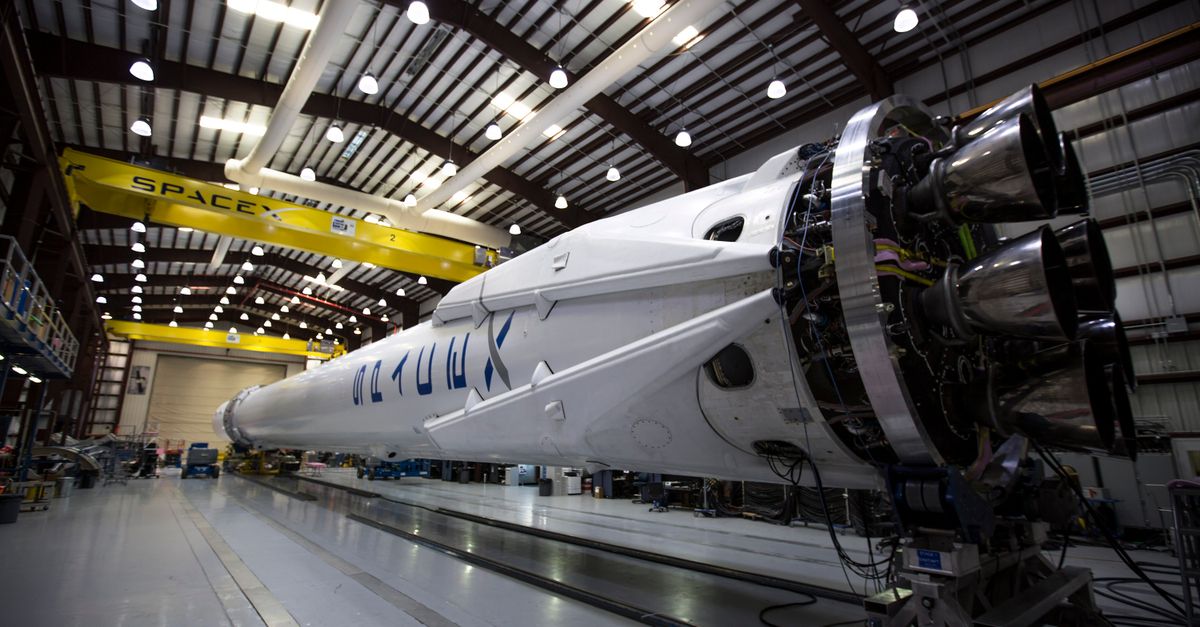
Texas Hyperloop Pitch, SpaceX Starship Test
A Boring Company hyperloop proposal, SpaceX’s looming Starship test, and Joby Aviation’s autonomous coast‑to‑coast flight reveal how bold infrastructure bets clash with hard market realities.
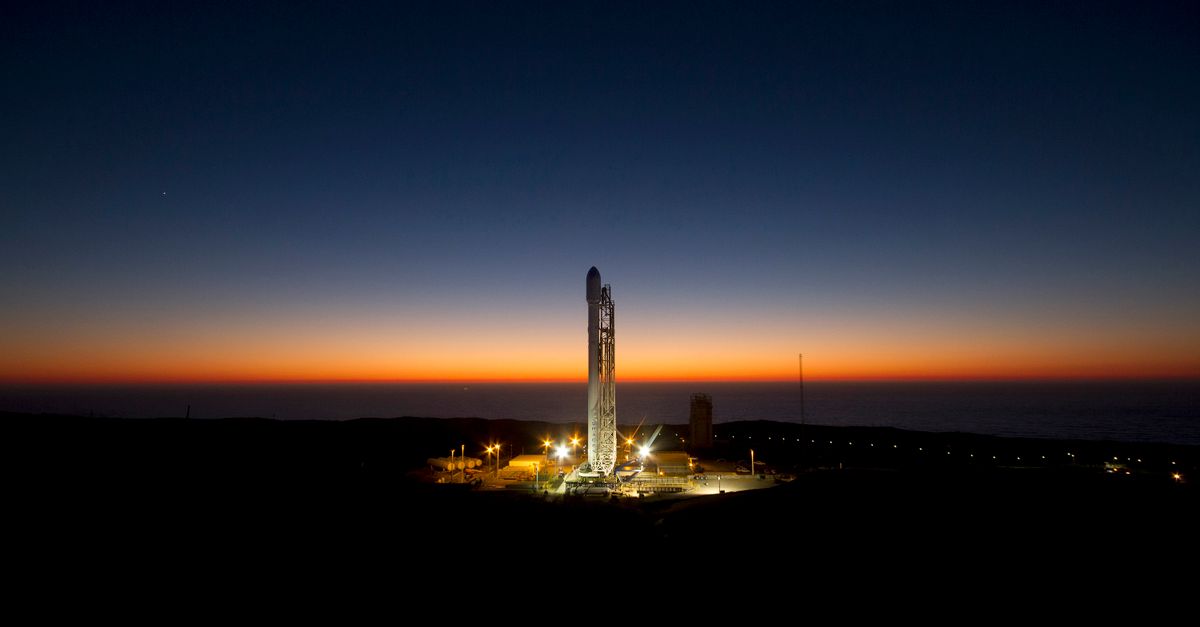
Europe Goes Solo on Venus Mission as NASA Shifts Funding Focus
NASA pulls a radar instrument, prompting Europe to pursue its Venus probe alone while the agency asks states for money.
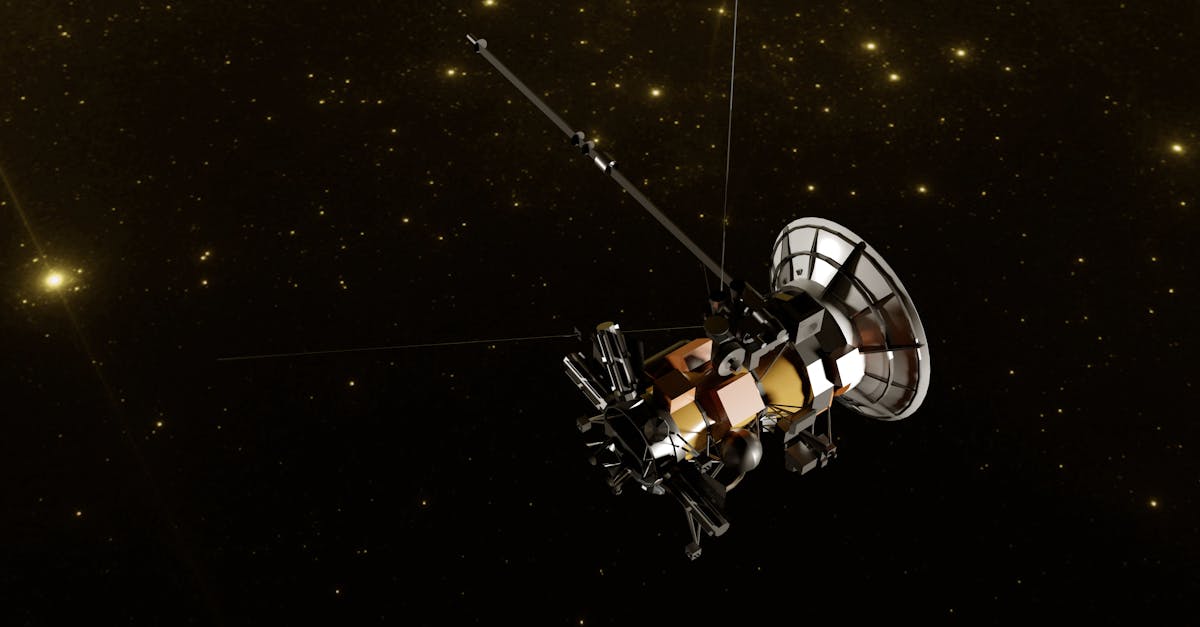
Psyche’s Unexpected Mars Snapshots Offer Fresh Planetary
NASA’s Psyche probe sent back rare images of Mars, giving scientists a deep‑space view that could sharpen planetary models.