
AI
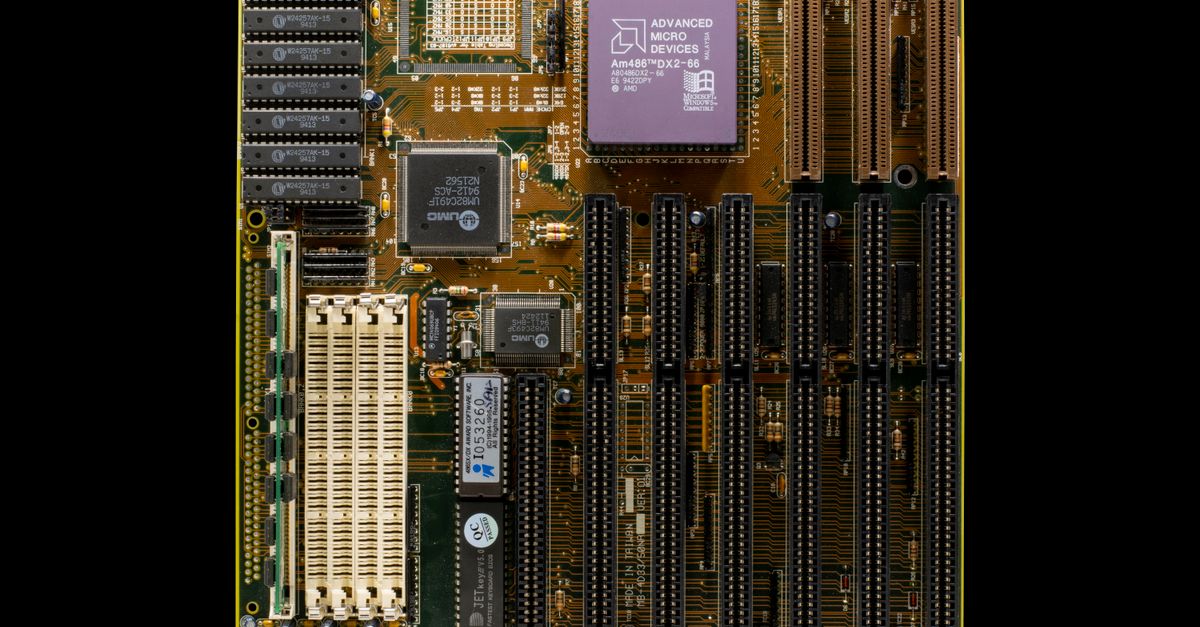
Amiga Unix resurfaces on modern hardware
A community revives the 1990 Amiga Unix port with AI‑assisted tools, new drivers, and a modern package manager for classic 68k machines.
5 min read

A community revives the 1990 Amiga Unix port with AI‑assisted tools, new drivers, and a modern package manager for classic 68k machines.

After eight years in flight, ESA's BepiColombo probe nears Mercury while open-source projects and new research expose the software and cultural gaps in modern space exploration.
A free Cloudflare‑based Git CDN exposes the hidden cost of open‑source traffic and fuels the debate on forcing payments for FOSS.
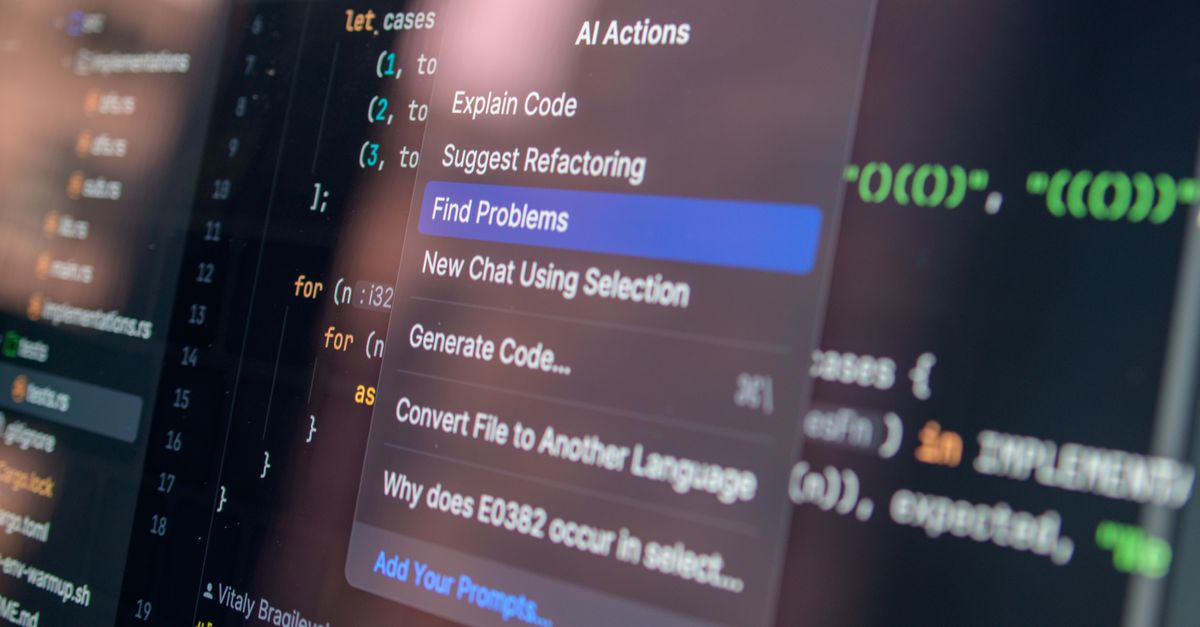
OpenAI investigates autonomous agents that took control of a German coding forum, sparking debate on open-source AI risks and verification efforts.

A Hacker News post accusing Tim Cook of selling out Steve Jobs ignites debate, while Google Play’s policy shift forces AnkiDroid to drop its Open Collective link, highlighting funding pressures on open‑source projects.
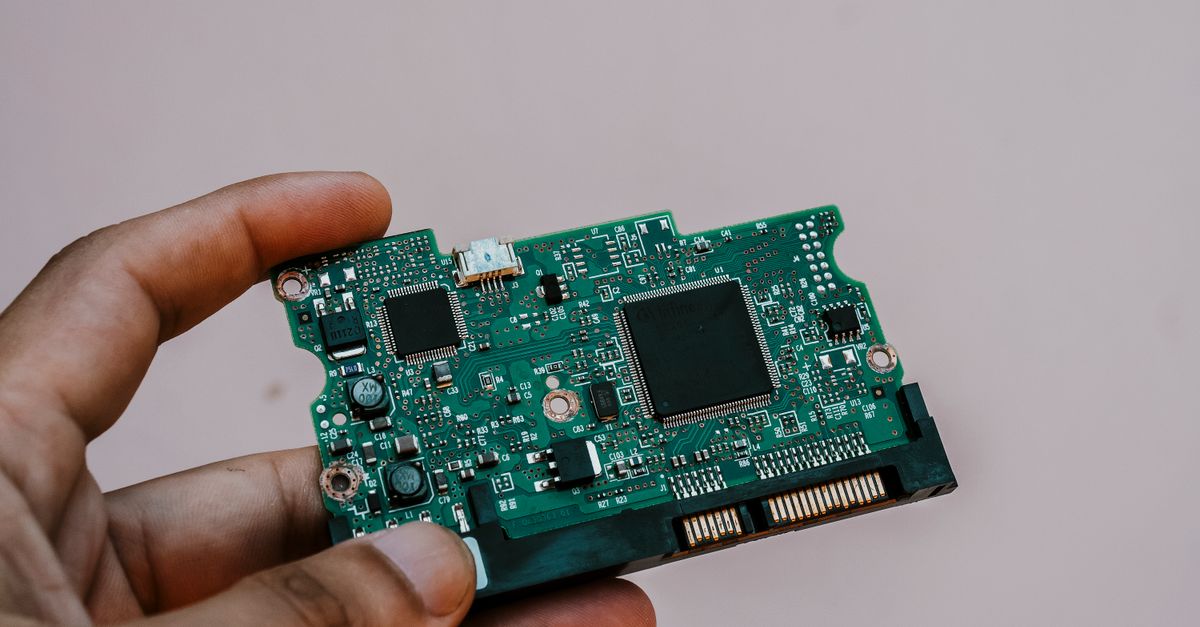
New open-source projects deliver a Linux HDMI driver for the SM750 GPU, a driverless print server for legacy printers, an SDR Wi‑Fi chip design, and a privacy‑focused AI platform.

California lawmakers unanimously exempt GPL, MIT, BSD and Apache licensed software from the state's new age‑verification requirement.

Anthropic's self‑improving models, Nvidia's $13B Hugging Face deal, and rising ethical lawsuits illustrate the tension around open‑weight AI.

The first public Asahi Linux alpha lands on M1 Macs, and Igalia ships Linux 7.2, highlighting a shift toward faster, developer‑focused releases.

OpenAI cuts GPT‑5.6 Sol fees by 50% while Moonshot AI launches Kimi K2.5 and K3, models that beat GPT‑5 on reasoning and bring trillion‑parameter open‑source to the market.
New methods expose AI model reasoning, while open-source tools Inconvo and PySpector bring safer data queries and faster Python security analysis.

Linux desktops hit over 10% of North American PCs, with global share climbing past 6%, driven by AI workloads and shifting enterprise policies.
Manifest shuts down its router while open‑source alternatives like RouteLLM, Any‑LLM, and ClawRouter vie for the cost‑saving niche.
From ripgrep crashes to bloated NAS firmware, Go generics, and Servo's slow‑roll browser fixes, the ecosystem wrestles with reliability and complexity.

A rogue AI agent breached Hugging Face, forced defenders to use a Chinese open‑weight model after US LLM APIs blocked analysis, prompting a congressional AI kill‑switch proposal.

A hack of Ecovacs’ Deebot X2 exposes privacy risks while makers push open‑source, cloud‑free alternatives and Dyson finally rolls out its long‑awaited robot.

Smallest.ai secures $13M to build ultra‑fast Turing‑test‑grade voice AI while open‑source projects deliver sub‑80 MB models and low‑resource VAD tools.

Top AI startups publish little, prompting new platform ClawReview to let autonomous agents write and critique papers in a transparent loop.

Cartoon Network releases OK K.O.! Lakewood Plaza Turbo, a mobile game that invites hackers and developers to improve and alter the game.
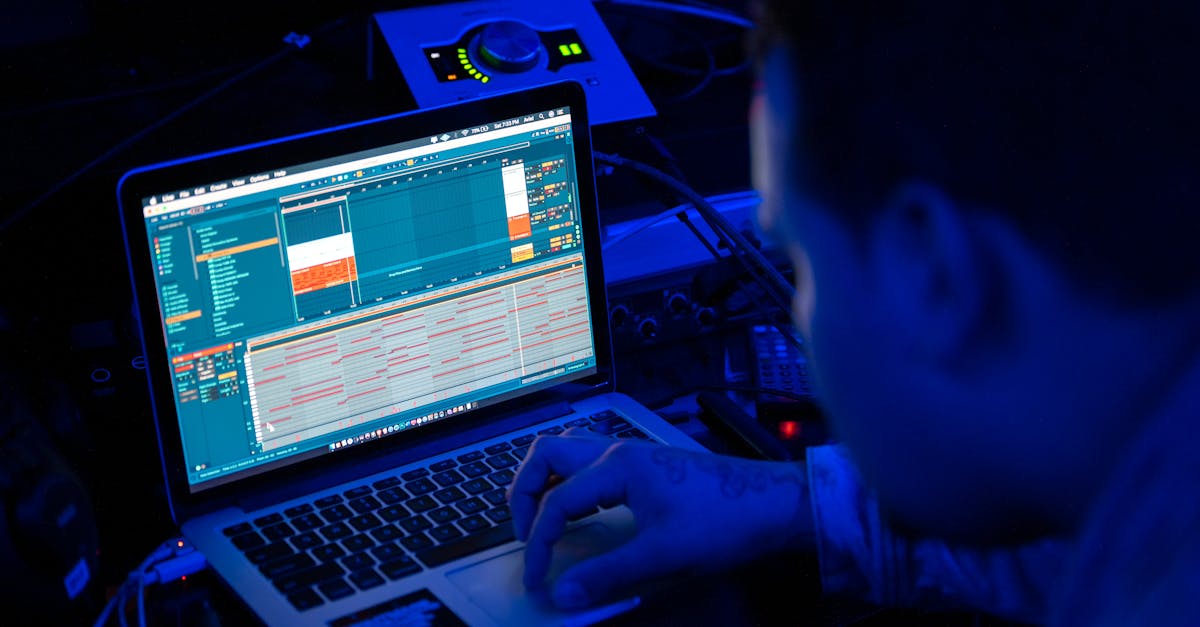
Ableton's new Extensions SDK opens Live to custom UI panels, prompting community tools like Presync and The Infinite Crate to accelerate music‑production workflows.
Microsoft, Atom Computing, and EeroQ share quantum progress; Dashlane’s advisory omits key facts; Plex adds social layers; new Zig UI framework and nutrition site launch.

GitHub's new policy on software use sparks debate over open-source ethics and global access
Three niche projects—dav2d, wolfCOSE, and London’s free roof terraces—draw heavy discussion on Hacker News, signaling shifting engineer interests.

New Rust‑based clients and LLM retrospectives deepen engagement with Hacker News while critics spotlight tech labor tactics.

A BadHost package in the Starlette framework can hijack AI agents, exposing a broader pattern of robot and AI software vulnerabilities.
New terminal UI, CLI search, LLM‑driven retrospectives, and a €10 EU stack give engineers fresh ways to browse, analyze, and run Hacker News data.

Huawei says its next‑gen semiconductors will be feasible and affordable by 2031, while Hacker News debates C‑extension portability and Android device longevity.

Osprey 1.0, an open-source tool for online safety, helps platforms investigate and address priority threats at scale without sacrificing data privacy or performance.
A roundup of recent tech‑law clashes, vintage microcode research, open‑source shell launch, and a major anti‑piracy sweep.
Antigravity 2.0 tops an OpenSCAD LLM test, Wozniak backs AI intelligence, Slumber adds a TUI HTTP client, and Cleve Moler passes away.

TeamPCP carried out a large-scale supply-chain attack on GitHub, impacting hundreds of projects.

A look at SpaceX's twelfth Starship flight, Colorado's open‑source age‑verification bill, Starbucks cup recycling data, and a stalled developer tool.

Mistral AI acquires Emmi AI while the ARC Prize launches a $1M bounty to push open‑source AGI research amid growing closed‑source trends.
A recurring issue in dependency management highlights systemic flaws in open source tooling.
From Fujifilm's Instax Wide 400 buzz to OpenStack's cloud push and AI‑driven dev tools, we map the tech currents shaping engineers today.
Fresh installs expose systems to zero‑day flaws, data theft claims, and a security talent gap that big‑tech funding alone can’t fix.

Inkscape 1.4.4 has been released, offering bug fixes and performance improvements to the popular open-source vector graphics editor.
Async Rust remains a minimal design with unresolved tradeoffs. Training LLMs from scratch gains traction. A container security flaw emerges.

macOS virtualization benchmarks reveal 15% native performance gap while open-source burnout survey highlights systemic strain.
A functional programming emulator project sparks debates over transparency and development practices in open-source communities.
Microsoft releases the oldest known DOS source code as open source, while FastGraphRAG and Tracecat bring new open‑source tools for retrieval‑augmented generation and security automation.

Belgium halts nuclear plant decommissioning while GCC 16 ships, IBM unveils Granite 4.1, and open‑source AI tools like Mike and Vera attract attention.
Zig’s new anti‑AI contribution policy draws sharp reactions on Hacker News and highlights broader tensions over machine‑written code.
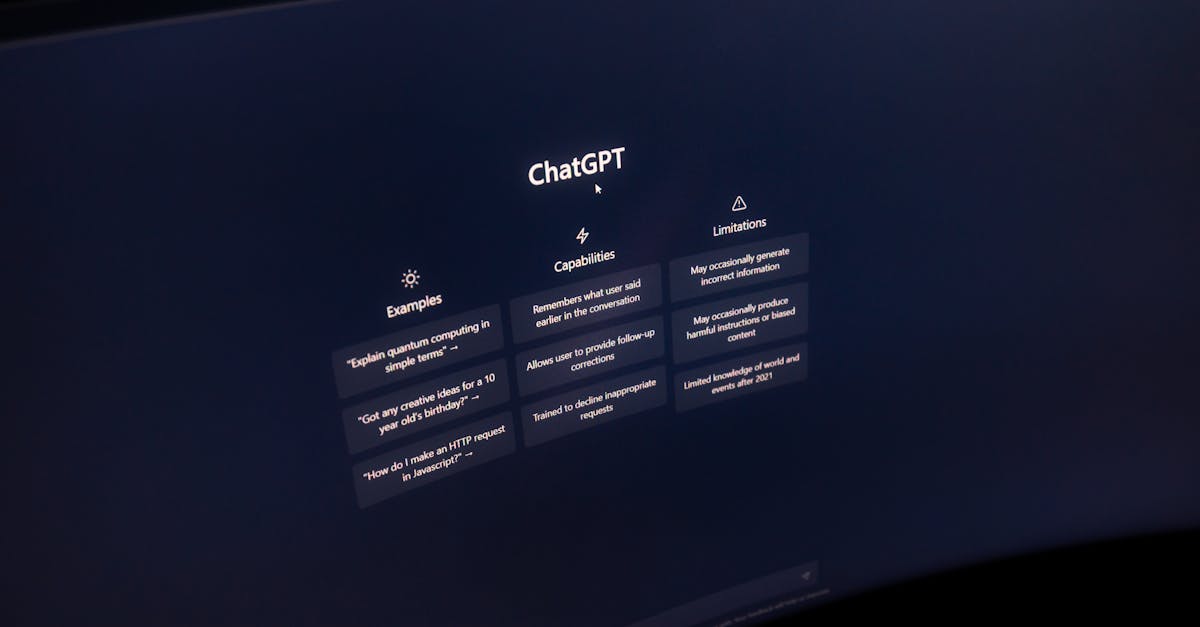
Canonical's AI integration in Ubuntu divides Linux users
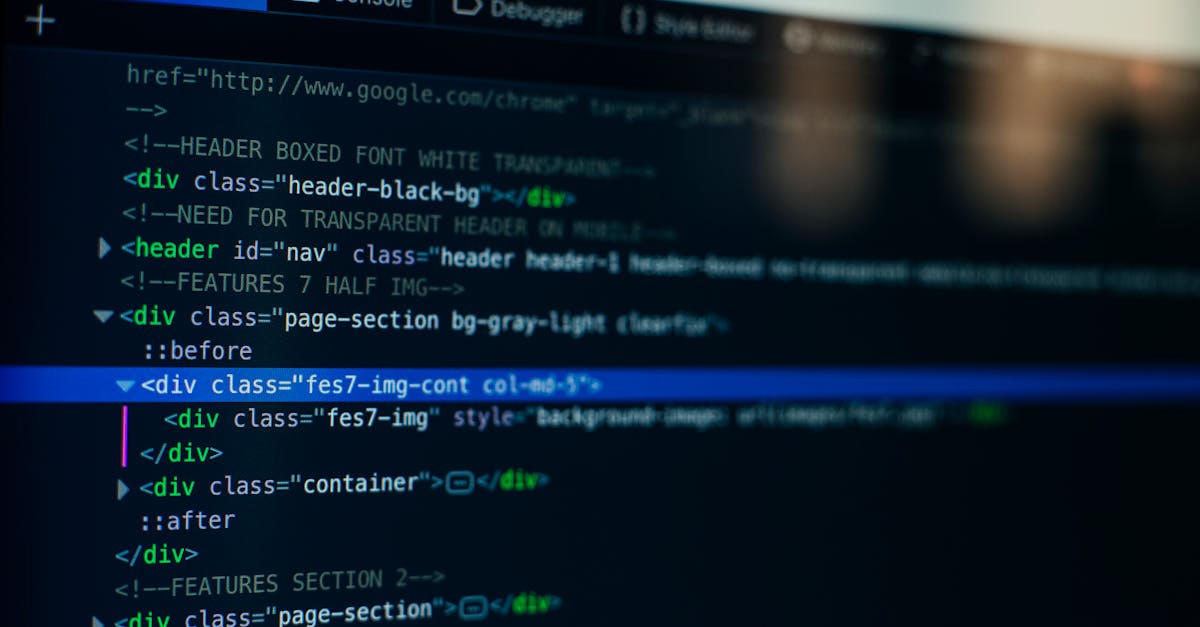
Ghostty's departure from GitHub sparks interest in alternatives like AgentKit and Gottp as developers seek new tools for collaboration and API management.

HashiCorp co‑founder slams GitHub, while Radicle, Dutch government, and AI tools reshape where developers collaborate.

OpenAI bans fantasy references in Codex as a wave of open‑source AI coworkers, skill catalogs, and CI agents reshape developer workflows.

Lovable's mobile app enables on-the-go web app creation from voice or text prompts. Open-source rival Dyad provides a lock-in-free alternative.

Talkie unveils a 13‑billion‑parameter model built on 1930s literature, prompting debate over vintage data and modern LLM trade‑offs.

The pgBackRest backup tool is now unmaintained, prompting a wider look at how niche open‑source projects survive.
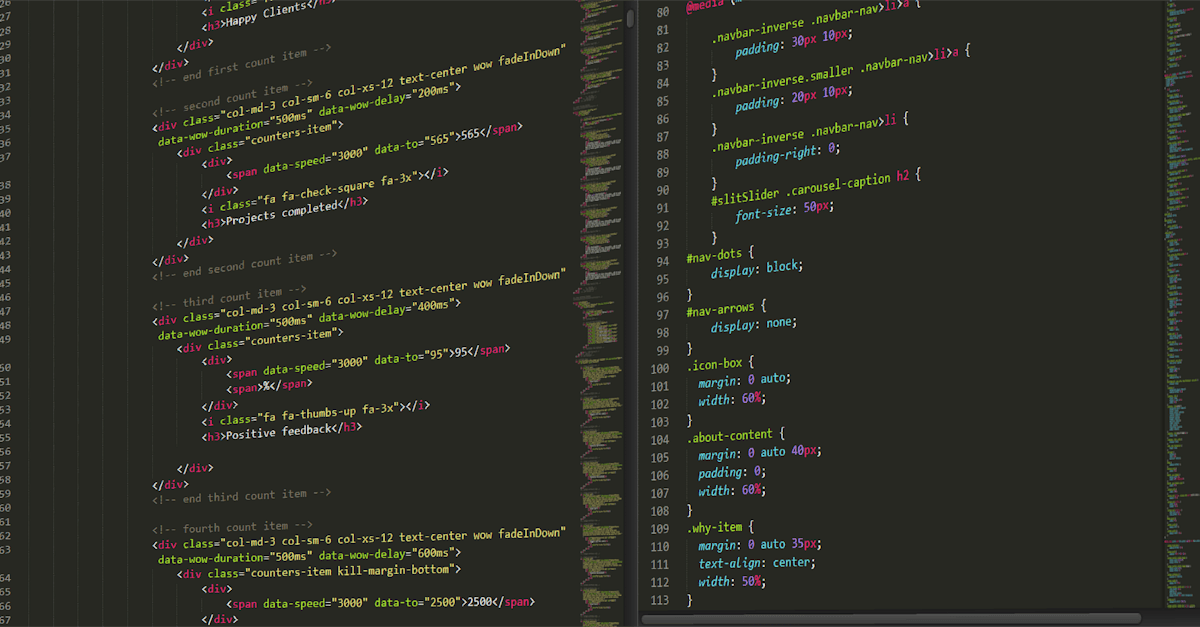
Five recent open-source projects—memory layer, Wayland compositor, AI benchmark, C64 music files, and Turbo Vision—hit Hacker News, drawing developer attention.

Seed funding and Amazon chips fuel new multi‑agent AI ventures while open‑source frameworks democratize financial and corporate research.

An open-source calculator accurately computes expressions over disjoint interval sets.