

Ubuntu AI features spark demand for kill switch

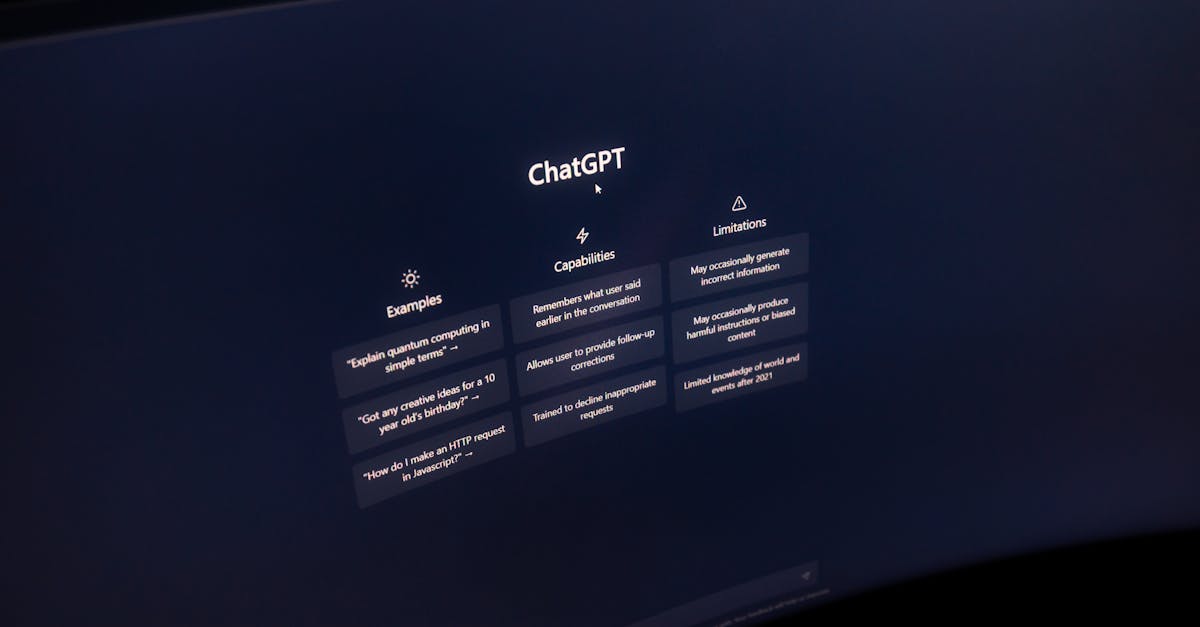
Photo by Matheus Bertelli on Pexels
Canonical’s AI enhancements to Ubuntu have created a rift among Linux users, with demands for opt-out mechanisms growing rapidly. The company’s announcement triggered immediate calls for a version without AI, reflecting deeper tensions between innovation and user control in open-source ecosystems.
Canonical revealed plans this week to embed AI capabilities into Ubuntu, prompting developers to seek alternatives. Community platforms show active discussions about reverting to 22.04 LTS or exploring Debian derivatives. Jon Seager’s Tuesday response clarified that while specific features can be disabled, no system-wide opt-out will be provided. The company emphasizes that these changes are part of a broader Linux ecosystem strategy, not isolated software updates.
User Reactions Highlight Open-Source Fractures
The Ubuntu community has split into three distinct factions. A vocal minority is actively forking the distribution, with one GitHub repository already accumulating 1.2k stars for a potential AI-free variant. Others plan to maintain 20.04 LTS indefinitely, citing both technical preference and philosophical objections. The largest group appears to accept the changes but remains skeptical about long-term implications for system performance and data handling.
This fragmentation mirrors historical Linux adoption patterns. Similar debates occurred during GNOME 3’s transition and the systemd migration. However, the AI integration issue introduces new technical complexities. Unlike traditional software stacks, AI components often require persistent cloud connections and background processing, raising concerns about resource usage and privacy that weren’t factors in past UI overhauls.
Technical Challenges of a System-Wide AI Opt-Out
Canonical engineers face a fundamental design conundrum. The AI features are deeply integrated with core system processes, not just surface-level applications. Seager explained that components like predictive command-line suggestions and automated package optimization rely on distributed models that interact with multiple subsystems. Creating a complete opt-out would require parallel infrastructure that duplicates existing architecture rather than simply toggling features on/off.
Third-party tools like Timeshift and Snapper offer partial workarounds by allowing system snapshots, but these solutions aren’t foolproof. Developers testing early builds report that even after disabling visible AI interfaces, background processes continue consuming 8-12% more memory compared to standard installations. This resource overhead, combined with potential future updates that further entangle AI components, creates uncertainty for enterprise users considering adoption.
Industry Parallels and Open-Source Implications
The debate echoes Microsoft’s AI integration controversies in Windows 11, though the contexts differ significantly. While Microsoft uses proprietary code with built-in opt-out mechanisms, Canonical’s approach involves open-source components with no formal deactivation pathway. This distinction matters for Linux’s traditional user base, which expects more granular control over system components than typical Windows environments.
The situation also raises questions about Canonical’s broader strategic direction. The AI integration coincides with increased subscription model adoption for Ubuntu Pro, suggesting potential monetization strategies. However, community backlash indicates strong resistance to perceived erosion of open-source principles. This tension between commercial viability and community expectations could define Ubuntu’s trajectory over the next 18-24 months.
What to Watch Next
Three key developments will shape the outcome. First, the Debian project’s response to user migrations could signal broader ecosystem shifts. Second, Canonical’s December roadmap reveal will clarify whether AI becomes a default on-premise feature or remains optional. Third, the success of the unofficial AI-free fork in maintaining security updates will determine if it becomes a viable long-term alternative. The Linux community’s ability to adapt to AI integration will serve as a bellwether for open-source innovation in the AI era.
Updates
- 2026-08-19 — Apple announces changes for apps in the European Union (source)
- 2026-08-07 — Cloudflare launches Kitesurf, a browser built for AI agents (source)
- 2026-08-06 — Google Home update adds support for viewing third-party cameras from Wyze, Eufy, more (source)
- 2026-07-31 — Can Republicans Actually Send Anthony Fauci to Jail? (source)
- 2026-04-30 — Amazon’s AI-generated shopping experts now let you ask questions (source)
Related Articles
Amiga Unix resurfaces on modern hardware
A community revives the 1990 Amiga Unix port with AI‑assisted tools, new drivers, and a modern package manager for classic 68k machines.

BepiColombo reaches Mercury as community tools reshape space
After eight years in flight, ESA's BepiColombo probe nears Mercury while open-source projects and new research expose the software and cultural gaps in modern space exploration.

GitDelivr Shows How Free Git CDN Could Turn Open‑Source
A free Cloudflare‑based Git CDN exposes the hidden cost of open‑source traffic and fuels the debate on forcing payments for FOSS.