

F# Game Boy Emulator Raises Open-Source Disclosure Questions

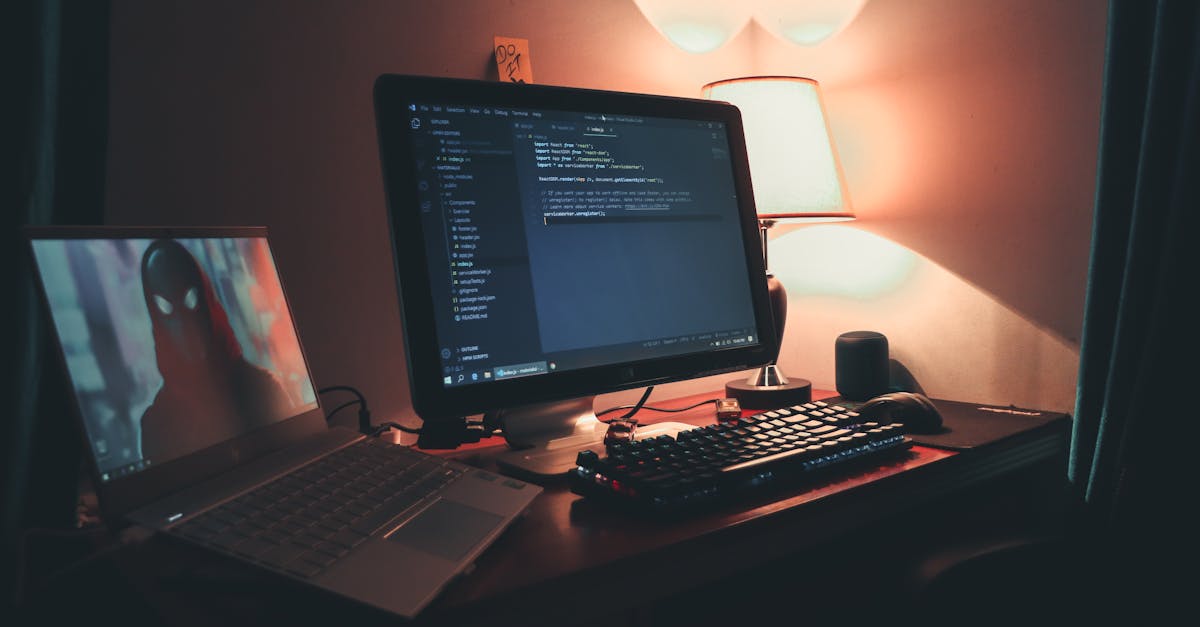
Photo by Paras Katwal on Pexels
A Functional Programming Experiment in Emulation
Nick Kossolapov’s Game Boy emulator built in F# isn’t just another retro dev project. The functional language experiment, detailed at nickkossolapov.github.io, has drawn 133 Hacker News points and 32 comments—numbers that suggest something deeper is at play. For a niche project in a niche language, that engagement indicates developers are noticing both the technical novelty and the broader implications.
Emulators are typically written in performance-oriented languages like C or C++. F#, a .NET functional language, brings a different approach to state management and data immutability. Kossolapov’s implementation demonstrates how functional programming can cleanly model the Game Boy’s 8-bit architecture, though it also highlights the tradeoffs in tooling and community resources. The project’s source code on GitHub reveals a meticulous use of F# records to represent registers and memory banks—a design choice that reduces side effects but increases complexity in debugging.
When Functional Meets Retro
The Game Boy’s 4.19MHz Z80 derivative processor offers a manageable target for experimental languages. Kossolapov’s code separates CPU execution cycles from display rendering, a common emulator architecture, but the functional approach forces a rethinking of timing loops. Where a C++ dev might use inline assembly for precise clock cycles, F# relies on tail recursion and async workflows. The result is readable code that sacrifices some microsecond-level control for maintainability—though early benchmarks show performance gaps versus Rust-based emulators like Gambatte.
This tradeoff isn’t unique to gaming. Financial systems and safety-critical software increasingly use functional languages for their predictability. The Game Boy project becomes a microcosm of that trend, showing how functional principles can apply to low-level hardware emulation. But the lack of mature profiling tools for F# raises practical questions: can this approach scale to more complex systems like the NES or Sega Genesis?
Open Source, Closed Mouth
The project’s reception contrasts sharply with last April’s CopyFail controversy. When Gentoo developers discovered the CopyFail vulnerability—a memory disclosure bug in a widely used Linux utility—the maintainers were not notified until after public disclosure. The resulting 466-comment Hacker News thread still rages over whether transparency served users or just created chaos.
Kossolapov’s project handles disclosure differently. The GitHub repo includes explicit security contact information and versioned vulnerability documentation. This isn’t just good practice—it’s a direct response to the CopyFail fallout. In open-source, disclosure isn’t optional; it’s a design decision. The Game Boy emulator’s approach shows how even experimental projects can bake transparency into their workflows from the start.
What to Watch
The F# community will track whether this emulator influences language adoption in gaming. Microsoft’s recent .NET 8 updates show improved performance for F#—a potential enabler for more projects like this. Meanwhile, the broader open-source world needs to resolve the CopyFail precedent: should vulnerabilities in infrastructure code require 90-day disclosure policies, or does that just shift the problem? The next Gentoo release will include policy changes directly addressing this tension. Developers should watch both technical progress in functional emulation and the evolving legal frameworks around open-source security.
For now, Kossolapov’s work stands as a proof point: even retro gaming can force modern debates about code quality, language choice, and community responsibility. The next patch version of the emulator will add ARM7 support for Game Boy Color—a challenge that will test whether functional programming’s strengths can survive the jump from 8-bit to 16-bit architecture.
Updates
- 2026-08-28 — The biggest video game of all time looks like a movie (source)
- 2026-06-01 — Nvidia RTX Spark sounds like it might be a great Windows chip even beyond the AI (source)
- 2026-05-23 — What to read this weekend: The new Image Comics miniseries, Of the Earth (source)
- 2026-05-04 — Dating Is a Rich Person’s Game Now (source)
Related Articles
Amiga Unix resurfaces on modern hardware
A community revives the 1990 Amiga Unix port with AI‑assisted tools, new drivers, and a modern package manager for classic 68k machines.

BepiColombo reaches Mercury as community tools reshape space
After eight years in flight, ESA's BepiColombo probe nears Mercury while open-source projects and new research expose the software and cultural gaps in modern space exploration.

GitDelivr Shows How Free Git CDN Could Turn Open‑Source
A free Cloudflare‑based Git CDN exposes the hidden cost of open‑source traffic and fuels the debate on forcing payments for FOSS.