

Apple's camera‑enabled AirPods move toward 2026 launch


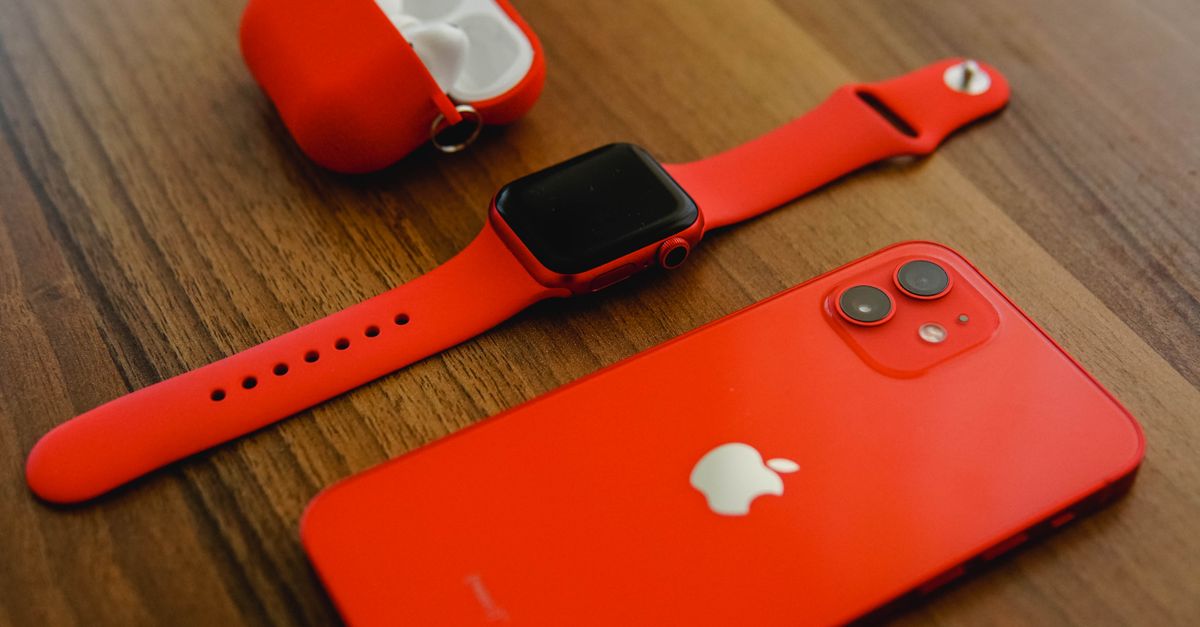
Photo by Sonny Sixteen on Pexels
Apple pushes camera‑enabled AirPods toward production
Apple’s next‑generation AirPods Pro have entered an “advanced” testing stage, according to Bloomberg. The devices now sit one step before the production‑validation phase, meaning Apple testers are already using functional prototypes. The move follows months of rumors that the earbuds would carry tiny cameras for visual AI.
The prototypes resemble the AirPods Pro 3 released in September 2025, but the stems are longer to accommodate the camera modules. A small LED flashes when visual data streams to the cloud, giving users a clear cue that the device is actively scanning their surroundings.
Design and feature set lock in
Apple’s camera‑equipped AirPods will not capture photos or video. Instead, they ingest low‑resolution visual information that Siri can interpret on the fly. Users could point the earbuds at a grocery label and ask Siri to log calories, or glance at a street corner and receive turn‑by‑turn directions that reference real‑world landmarks.
The camera is an infrared sensor similar to the Face ID module found in iPhones and iPads, according to analyst Ming‑Chi Kuo. Infrared allows the earbuds to work in low‑light conditions while keeping power draw modest. The visual feed is deliberately low‑resolution, limiting the data sent to Apple’s servers and reducing privacy exposure.
iOS 27’s Camera app will gain a Siri mode that leverages this “Visual Intelligence” capability. The mode will let the OS treat the AirPods’ visual stream as an input source, effectively turning the earbuds into a hands‑free image recognizer.
Timeline and supply chain constraints
Apple originally aimed to ship the camera‑enabled AirPods in the first half of 2026, but the launch was postponed until the upgraded Siri arrives. The new Siri, built around multimodal AI, is scheduled for release in September 2026 across iOS 27, macOS 27, and iPadOS 27. Apple could align the AirPods launch with that rollout, but the company retains the option to wait if Visual Intelligence performance falls short.
Ming‑Chi Kuo reports that Foxconn will supply the infrared camera modules, with an annual capacity of 18‑20 million units—roughly ten million pairs of earbuds. That capacity suggests Apple expects a sizable production run, but it also ties the schedule to Foxconn’s ability to qualify the new NPI (new product introduction) line.
Strategic context: competition and ecosystem
The camera‑enabled AirPods are Apple’s first foray into AI‑infused wearables that capture visual data. The move pits Apple against Meta, which already ships Ray‑Ban‑styled smart glasses, and against OpenAI, rumored to be developing a phone with built‑in visual AI. By embedding a camera in an audio device, Apple sidesteps the form‑factor challenges of full‑size glasses while still feeding visual cues into its spatial‑computing stack.
Kuo notes that the earbuds could enhance the Vision Pro experience. When a Vision Pro user turns their head, the AirPods’ IR camera could detect the direction and amplify spatial audio from that side, tightening the audio‑visual loop. The same sensor might support in‑air gesture control, giving users a new way to interact with devices without reaching for a hand.
Apple is also exploring other AI‑centric wearables—a smart ring, a pendant, and a second generation of smart glasses slated for early 2027. The camera‑enabled AirPods therefore serve as a testbed for a broader multimodal ecosystem, allowing Apple to iterate on visual AI before committing to more ambitious hardware.
What to watch
The next milestone is the September 2026 release of the new Siri and iOS 27. If Apple demonstrates reliable Visual Intelligence in that update, the camera‑enabled AirPods could appear on shelves shortly thereafter. Supply‑chain signals from Foxconn—particularly capacity utilization figures—will hint at the scale Apple plans. Finally, regulatory scrutiny of on‑body cameras may surface as the product nears market, potentially shaping the final feature set.
Stakeholders should monitor Apple’s developer events, Foxconn production reports, and any FTC filings related to wearable cameras. Those data points will clarify whether Apple can meet its 2026 production target or whether the launch will slip further into 2027.
Updates
Related Articles
Apple hikes iPhone prices while rolling out foldable and AI
Apple raises older iPhone prices, adds iPhone Duo developer tools, launches Siri AI in English, and unveils Watch Series 12 health sensors.
Apple doubles down on iPhone while expanding AI‑enabled wearables
Apple’s new CEO reasserts the iPhone’s core role as the company hikes legacy prices and rolls out AI‑driven watches, health tools, and a $129 AirPods 5.

Apple Negotiates Nine‑Figure Publisher Deals for Siri News Feed
Apple is courting news publishers with multiyear, usage‑based payments to feed current headlines into its upcoming Siri AI, slated for release this fall.