

Apple hikes iPhone prices while rolling out foldable and AI

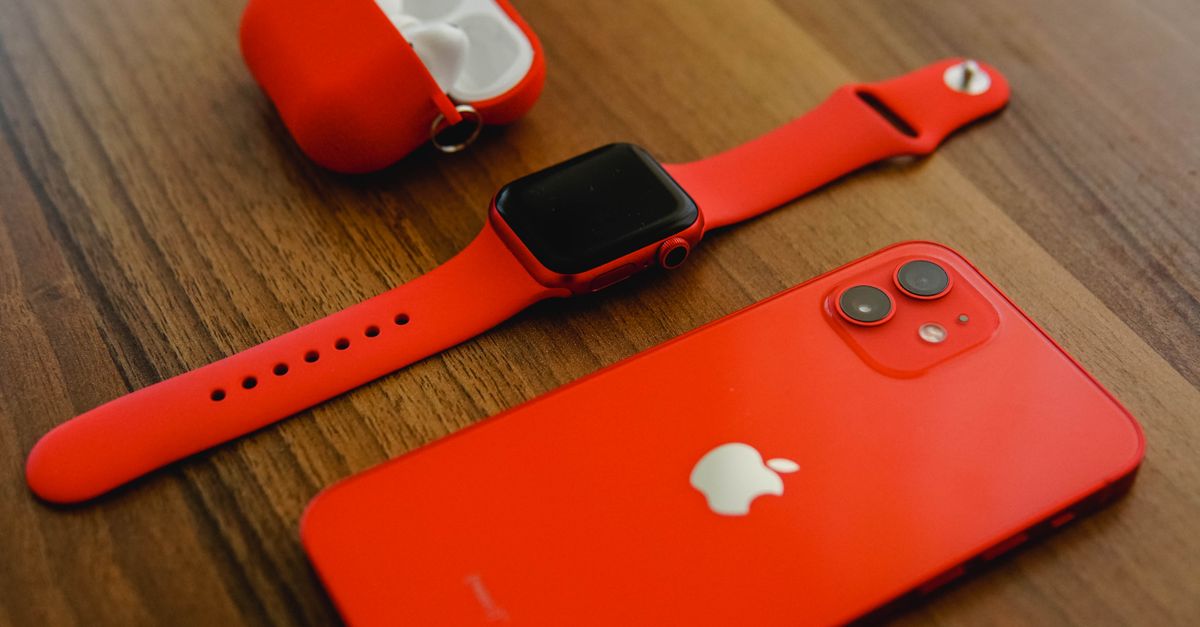
Apple raised the price of its older iPhone models by $100 on Tuesday, a move that undercuts the company’s recent narrative of cheaper entry‑level hardware.
The increase arrives alongside a fresh trade‑in table that lowers the resale value of current iPhones while nudging iPad and Mac payouts upward, according to 9to5Mac.123 The shift forces owners who were counting on a high trade‑in credit to absorb a larger out‑of‑pocket cost for a new device. For users on a budget, the price jump feels like a step back, especially as Apple simultaneously touts cheaper AirPods 5 at $129.45
Apple’s pricing calculus signals confidence in demand for its premium lineup. The $100 bump targets legacy models that still generate significant volume but cost less to produce than the newest flagships. By squeezing margin on the older stock, Apple can fund the development of its next‑generation hardware without raising the headline price of the newest iPhone.
Foldable ambition: iPhone Duo and developer support
Apple announced the iPhone Duo, its first foldable phone, during the “Surprise and Shine” event and immediately released a developer resource kit to help apps adapt to the new form factor, reported 9to5Mac.2 The kit includes UI guidelines, testing tools, and sample code for handling the device’s dual‑screen layout.
The resources arrive ahead of the planned October launch, giving developers roughly a month to ship compatible updates. Early adopters will likely see a mixed experience as the ecosystem catches up, but the move shows Apple is serious about entering the foldable market dominated by Samsung and Huawei.
Critics note that Apple’s foldable history is limited to rumors, and the Duo’s success hinges on durability, hinge reliability, and software polish. The developer kit mitigates the software risk, but hardware concerns remain unaddressed in the public briefings.
Flagship refinements: iPhone 18 Pro, Pro Max, and Siri AI
Apple unveiled the iPhone 18 Pro and iPhone 18 Pro Max, describing two exclusive new advantages—one for each model—without revealing the specifics, according to 9to5Mac. The announcement also bundled a three‑month free trial of Apple One for buyers of the Pro, Pro Max, and the upcoming iPhone Duo.
During the same event, Apple confirmed that its new Siri AI will launch in English this month, with support for five additional languages slated for October, per 9to5Mac. The rollout replaces the older voice assistant with a larger language model that promises more natural conversation.
Apple Intelligence usage limits were clarified in a new support article, also from 9to5Mac, outlining caps on request volume and data retention. The company frames the limits as safeguards against misuse, but power users may find the caps restrictive when building heavy‑weight AI workflows.
Wearables get smarter: Watch Series 12 and watchOS 27
Apple introduced the Watch Series 12 with an all‑new health‑sensing system, a headline that appeared on Hacker News. The system adds continuous blood‑glucose monitoring and advanced sleep staging, expanding the watch’s role as a medical‑grade sensor.
Alongside the hardware, watchOS 27 ships a new Siri Modular watch face that appears on both standard and Ultra models, though the Ultra version offers extra customization options, as detailed by 9to5Mac. The face surfaces contextual shortcuts based on the user’s routine, a modest but useful tweak.
Engadget reported that Apple also added an “Audio Intelligence” feature that can rewind real‑life conversations on the watch. The same article quoted Apple as taking privacy concerns seriously, even as the feature’s description as a “spyware” tool raised eyebrows. The contradictory language suggests Apple is still polishing the privacy model before a wider release.
Apple’s wearables strategy now leans heavily on health data and on‑device AI, positioning the Watch as a more indispensable health companion. The health sensors could attract new users in regulated markets, but they also expose Apple to stricter medical‑device oversight.
What to watch next: Track the October rollout of Siri AI in additional languages and the official release date of the iPhone Duo. Monitor how trade‑in values evolve after the latest adjustment, especially if Apple tweaks the iPhone resale market again. Keep an eye on regulatory filings for the Watch Series 12 health sensors, which could dictate the pace of feature activation worldwide. Finally, watch for developer adoption metrics of the iPhone Duo toolkit, a key indicator of the foldable’s ecosystem health.
Footnotes
Related Articles
Apple doubles down on iPhone while expanding AI‑enabled wearables
Apple’s new CEO reasserts the iPhone’s core role as the company hikes legacy prices and rolls out AI‑driven watches, health tools, and a $129 AirPods 5.

Googlebook challenges Apple’s retail play as Mac Studio prices
Google’s $899 AI‑native laptop and Apple’s store‑first philosophy clash amid rising component costs and AI‑driven hardware bets.
Apple's iPhone Ultra, CVPR AI Push, and macOS 26.6 Beta
Apple teases iPhone 18 Pro vs Ultra differences, previews computer‑vision research at CVPR, and opens macOS 26.6 public beta for early testing.