

Apple doubles down on iPhone while expanding AI‑enabled wearables

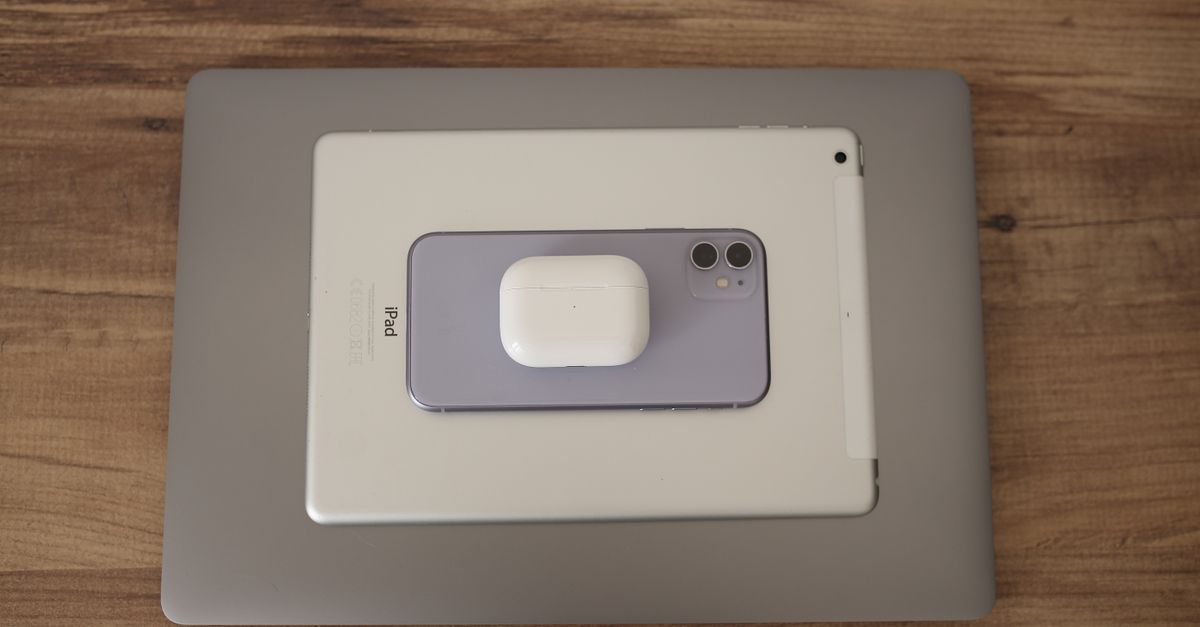
Ternus stakes the iPhone’s future
John Ternus opened his first keynote as Apple’s chief executive by declaring that the iPhone “isn’t going anywhere.”12 The statement came alongside a $100 price increase for the existing iPhone 16, iPhone 17, and iPhone Air models. The hike, reported by TechCrunch, pushes the entry‑level iPhone line into the $900‑plus bracket.
Ternus framed the adjustment as a response to component cost pressures and a need to fund the company’s expanding AI portfolio. By anchoring the iPhone’s relevance, he signaled that Apple will continue to extract revenue from its flagship line while using the premium tier to experiment with new form factors.
The CEO’s emphasis on continuity contrasts with the more speculative headlines surrounding the foldable iPhone Duo unveiled at the September event. Apple appears to be hedging: the core iPhone family stays on a predictable upgrade path, while a niche foldable experiment tests market appetite.
New hardware pushes the envelope
Apple introduced the iPhone 18 Pro with a variable‑aperture camera system, a more powerful processor, and a thermal‑management architecture that reduces overheating.34 Ars Technica notes that the thermal system is a first for the iPhone line and should improve sustained performance under heavy workloads.
The iPhone Duo, Apple’s first foldable, was presented as a “new category” device.13 While specifications remain sparse, the foldable form factor marks a departure from the rigid slab that has defined the iPhone for 15 years. The device joins the iPhone 18 Pro in a lineup that also includes the standard iPhone 18 models.
AirPods 5 debuted at $129, a price point lower than the previous generation’s launch price.3 The earbuds add an upgraded active‑noise‑cancellation algorithm, a transparency mode, and volume controls on the stem.3 TechCrunch highlights the integration of Siri AI, enabling voice commands without reaching for a phone.34
AI features raise privacy questions
Apple Watch received a suite of AI‑driven capabilities that can transcribe recent speech and generate summaries of ambient conversations.3 The company assures that raw audio is never stored, but the ability to capture and process spoken content in real time invites scrutiny over consent and data handling, as TechCrunch reports.3
The revamped Health app now calculates a “health age” and a readiness score using Apple Intelligence. The feature aggregates biometric data from the watch and iPhone to produce a single metric, a move that blurs the line between health monitoring and lifestyle scoring.
Apple’s broader AI push includes Siri integration in AirPods 5 and the use of Apple Intelligence across health and wearables.34 The company’s strategy appears to be to embed AI in devices that already collect personal data, thereby increasing the value proposition while deepening the data moat.
Market context and competitive pressure
Raising legacy iPhone prices puts Apple in direct competition with Android manufacturers that have been offering premium devices at similar price points for years. The $100 hike may shrink the price‑gap that once made older iPhones an attractive entry point for cost‑conscious buyers.
The foldable market is still nascent, with Samsung and Huawei holding the majority of shipments. Apple’s entry with the iPhone Duo could force rivals to accelerate their own foldable roadmaps, especially if Apple leverages its ecosystem to lock users into the new form factor.
Privacy regulators in the EU and US have begun probing always‑listening devices. The Watch’s speech‑transcription feature could attract enforcement actions if consent mechanisms are deemed insufficient. Apple’s claim that raw audio is not saved may mitigate risk, but the summary data itself remains a potential vector for scrutiny.
What to watch
Track the adoption rate of the iPhone Duo during the first quarter after launch; a strong uptake would validate Apple’s gamble on foldables. Monitor regulatory filings related to the Watch’s AI transcription, especially any EU GDPR complaints. Finally, watch for the next software update that could expand Apple Intelligence across the Health app and Siri, potentially reshaping how users interact with their devices.
Updates
- 2026-09-16 — Everything new in iOS 27.2 beta 1 so far (source)
- 2026-09-10 — Another big James Talarico interview is punted to YouTube due to FCC threats (source)
Footnotes
Related Articles
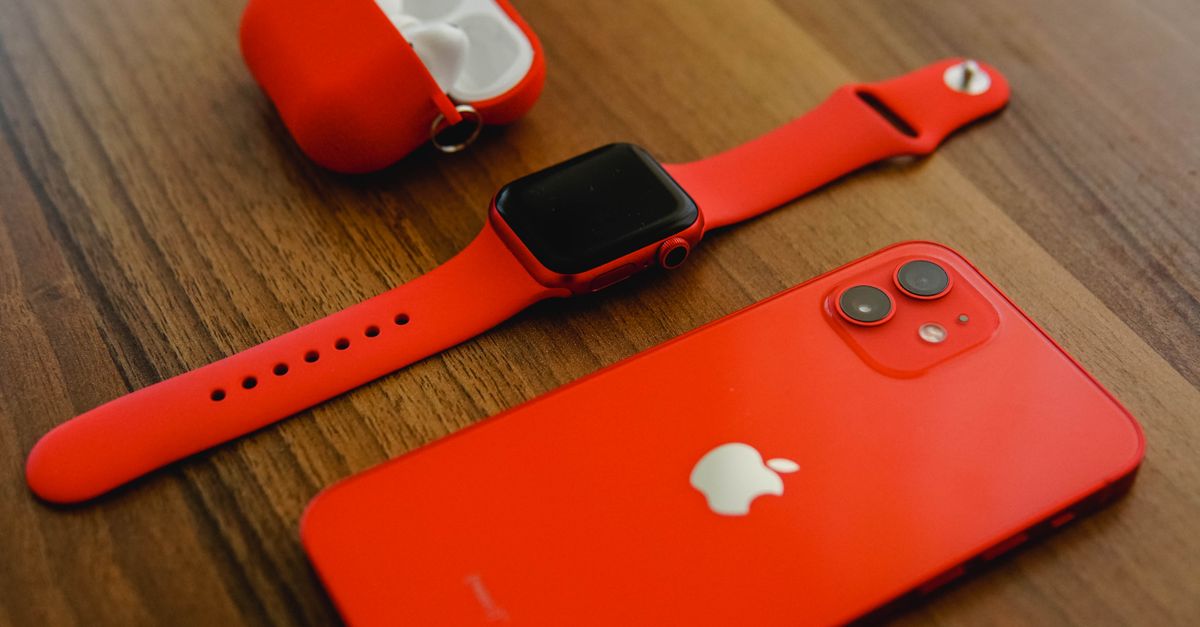
Apple hikes iPhone prices while rolling out foldable and AI
Apple raises older iPhone prices, adds iPhone Duo developer tools, launches Siri AI in English, and unveils Watch Series 12 health sensors.
Apple's iPhone Ultra, CVPR AI Push, and macOS 26.6 Beta
Apple teases iPhone 18 Pro vs Ultra differences, previews computer‑vision research at CVPR, and opens macOS 26.6 public beta for early testing.

Apple's camera‑enabled AirPods move toward 2026 launch
Apple's AirPods Pro with low‑resolution cameras enter advanced testing, with mass production slated for 2026 and integration into Siri and Vision Pro.