

Google adds Ask Play chatbot to Play Store, expands Gemini

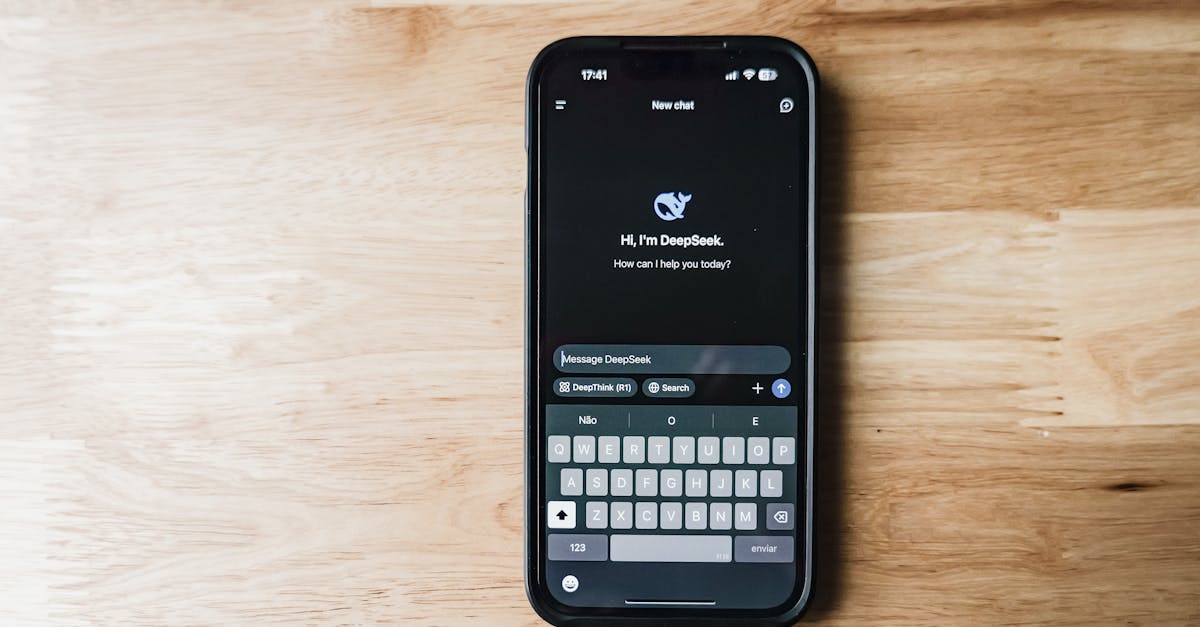
Photo by Airam Dato-on on Pexels
Ask Play lands in the Play Store
Google introduced a chatbot called Ask Play that lives inside the Play Store. The bot runs on the Gemini model and offers real‑time app recommendations when users type a query. The rollout was announced in a brief update that linked the new feature directly to Gemini’s broader push across Google services (9to5Google).
The interface appears as a chat window on the store’s search page. Users can ask, “What’s a good photo editor for low‑light shots?” and receive a short list of apps, complete with brief pros and cons. The answers are generated on the fly, not pulled from a static catalog, which means the suggestions can reflect recent updates or newly released tools.
Gemini becomes the default AI layer
Ask Play is the latest sign that Gemini now powers most of Google’s consumer‑facing AI. Earlier this year Google added Ask YouTube, a search overlay that lets users query video content in natural language (9to5Google). The same Gemini model also powers Gmail Live, a voice‑first email search that debuted at I/O 2026 (9to5Google). Even the Project Genie world‑explorer received a Gemini‑driven drop‑in feature that places users in real‑world Street View locations (9to5Google).
By stitching Gemini into the Play Store, Google removes the need for separate recommendation engines. The move also gives the company a single data pipeline to improve relevance across its ecosystem. When Gemini learns that a user prefers lightweight utilities, that signal can instantly improve suggestions in Gmail, YouTube, and now the Play Store.
New compute‑based limits and cheaper AI Ultra
Alongside the chatbot launch, Google announced a shift in how Gemini usage is measured. The model will move from daily prompt caps to compute‑based limits, meaning developers and power users will be throttled by the amount of processing they consume rather than by a fixed number of queries (9to5Google). The change aims to align costs with actual workload.
At the same time, Google lowered the entry price for its AI Ultra tier to $100 per month (9to5Google). The tier offers higher‑throughput Gemini access and priority support. By making AI Ultra more affordable, Google hopes to attract startups that need sustained, high‑volume generation without hitting the new compute caps.
What the rollout means for the market
Ask Play challenges third‑party app discovery platforms that rely on curated lists or paid placements. Those services now face a competitor that can generate personalized recommendations instantly, without human editors. The shift also pressures Apple’s App Store, which still relies on keyword search and editorial picks.
Developers may need to optimize app metadata for Gemini’s prompt parsing. Titles, short descriptions, and feature lists that read naturally will likely rank higher in the chatbot’s results. Early adopters who ignore the new signal risk losing organic traffic as users gravitate toward AI‑curated suggestions.
What to watch
The next update to Gemini’s pricing and compute model is slated for Q4 2026, according to internal briefings (9to5Google). Track whether Google introduces a premium tier for Ask Play that offers deeper analytics to developers. Also watch how quickly competing app stores roll out similar AI assistants; the speed of adoption will dictate whether Gemini becomes the de‑facto standard for mobile app discovery.
Related Articles
Google adds AI to Android with Health 5.08 and Find Hub update
Google rolls out Health 5.08 and a Gemini‑powered Remembered tab in Find Hub, tightening AI across Android.

Google Gemini Passes 1 Billion Users, Overtaking ChatGPT on iOS
Gemini hits a billion users, drives massive voice and image activity, and lands a deep partnership with Apple, reshaping the consumer AI race.
Google tightens Gemini limits amid developer pushback
Google revises Gemini's compute‑based usage caps, clarifies free‑tier prompts and images, and expands free Code Assist limits, reshaping AI tool competition.