

Google Gemini Passes 1 Billion Users, Overtaking ChatGPT on iOS


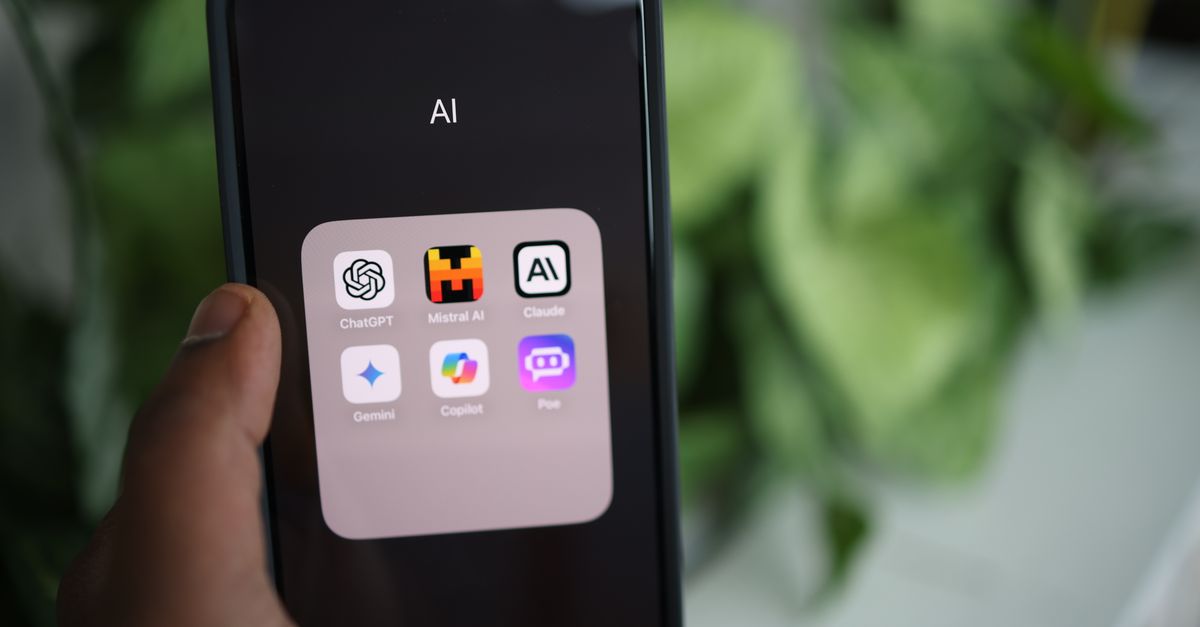
Photo by Airam Dato-on on Pexels
Gemini hits a billion users, eclipsing ChatGPT on the App Store
Google announced that its Gemini app has crossed the 1 billion‑user threshold. The milestone arrived as the app claimed the top spot among free iOS downloads, displacing OpenAI’s ChatGPT.
The surge is backed by concrete usage data. Google says 63 % of Gemini sessions now involve the voice feature, and the model generates more than 150 million images each day. A social‑media post from Gemini head Josh Woodward noted that an updated Flash 2.5 model added 13 million new users in just four days, bringing the cumulative total to 23 million since launch. Users have uploaded 500 million images, prompting the team to impose temporary usage caps over a recent weekend. In July, the company reported over 450 million monthly active users in its earnings call. The same quarter saw Alphabet join the $3 trillion market‑cap club, with shares up 33 % year‑to‑date, buoyed by a favorable antitrust ruling on Chrome.
Why the numbers matter for the AI market
A billion users give Gemini a scale that rivals the biggest consumer platforms. Voice adoption at 63 % signals that users are treating the assistant as a conversational partner, not just a text tool. Daily image generation at 150 million shows that visual AI is moving from novelty to utility.
The growth challenges OpenAI’s dominance in the consumer space. ChatGPT still leads the generative AI conversation, but its iOS ranking slipped as Gemini climbed. The shift matters because app‑store placement drives discoverability and ad revenue. A higher install base also feeds more data back into the model, sharpening its performance in a feedback loop that benefits Google’s broader ecosystem.
Investors have taken note. Alphabet’s market‑cap jump and share performance suggest the market views Gemini as a core growth engine. The rapid user acquisition also reduces the risk profile for future monetization moves, such as premium features or tighter integration with Google’s ad network.
Technical hooks and user‑level friction
Gemini’s latest lift came from the Flash 2.5 update, which introduced a feature dubbed “Nano Banana.” The tool lets users blend multiple photos and generate digital figurines from prompts. That capability alone drove a wave of image uploads, as reflected in the 500 million‑image count.
However, the Mac native client has sparked backlash. Reviewers note that Gemini installs a background helper called GeminiAppLauncher and a persistent GoogleUpdater without user consent. Removing these agents triggers an automatic reinstall, a behavior described as “presumptuous” by critics. The app also appears to be built with a Java‑to‑Objective‑C converter, leading to a clunky user experience compared with alternatives like ChatGPT’s native client.
The friction has forced the team to impose temporary usage limits during spikes, indicating that the infrastructure is still catching up with demand. While the core AI advances are impressive, the surrounding software hygiene could deter power users who value control over their system processes.
Strategic partnership with Apple reshapes the AI frontier
In January, Google and Apple announced a multi‑year deal to embed Gemini models in Apple’s upcoming Intelligence suite. The collaboration will power a more personalized version of Siri slated for iOS 26.4, expected in March or April. Apple promises on‑device privacy via its Private Cloud Compute, but the exact features remain vague.
If Gemini fuels Apple’s Writing Tools, Image Playground, and Notification Summaries, the partnership could lock Google into the Apple hardware pipeline for years. That would give Google a foothold on iOS devices that historically favor Apple‑first solutions. The deal also signals Apple’s willingness to lean on external foundation models rather than develop its own from scratch.
The partnership arrives as Google battles antitrust scrutiny and seeks to cement its consumer AI brand. By aligning with Apple, Google gains credibility among iOS users while Apple benefits from a proven large‑scale model, sidestepping the lengthy timeline of building a comparable system in‑house.
What to watch next
The next data point will be Gemini’s monthly active user count after the iOS 26.4 rollout. A noticeable bump would confirm that Apple integration fuels growth beyond organic acquisition. Equally important is how Google addresses the Mac client’s background‑process controversy; a policy change could affect developer sentiment and enterprise adoption. Finally, watch for any pricing or premium tier announcements from Alphabet, which would signal the transition from user growth to revenue extraction.
Related Articles

Googlebook challenges Apple’s retail play as Mac Studio prices
Google’s $899 AI‑native laptop and Apple’s store‑first philosophy clash amid rising component costs and AI‑driven hardware bets.
Google adds AI to Android with Health 5.08 and Find Hub update
Google rolls out Health 5.08 and a Gemini‑powered Remembered tab in Find Hub, tightening AI across Android.
Pixel 11’s Gemini Push Signals a New Incremental Era
Google ups Pixel prices and storage while betting on Gemini AI, as other tech giants lean into modest hardware tweaks and data‑driven services.