

Apple's iOS 27 adds subtitles, Siri extensions, and APFS shift

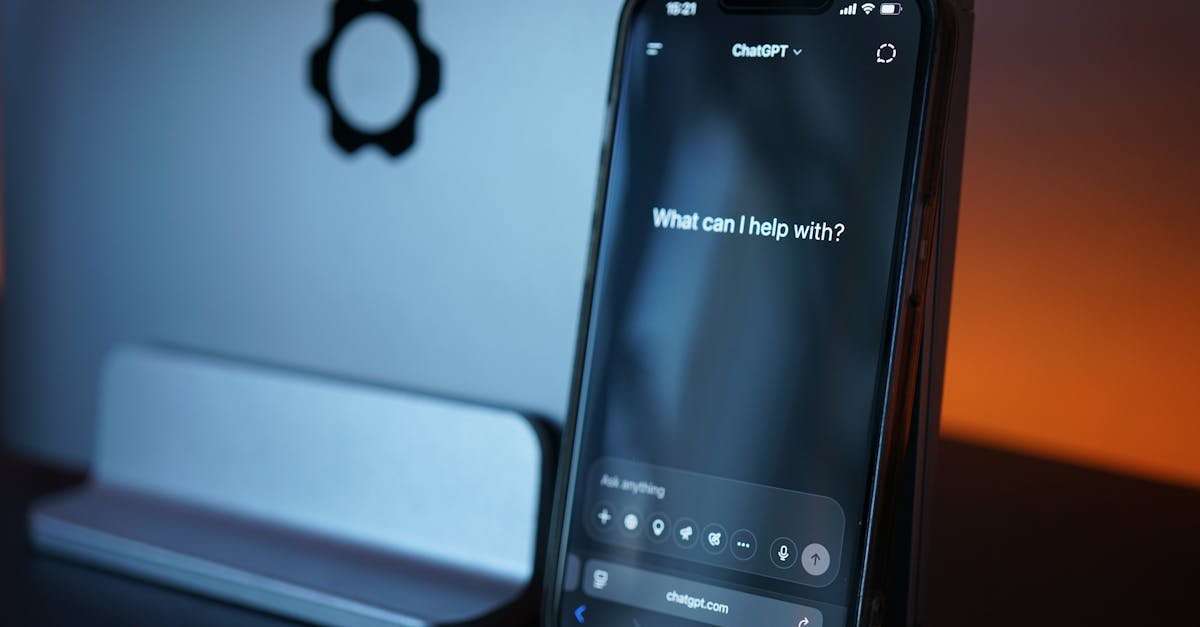
Photo by Tim Witzdam on Pexels
Apple slipped a handful of under‑the‑radar upgrades into iOS 27 that could matter more than any headline feature. Generated subtitles, a Siri app that talks to third‑party chatbots, and a silent migration to APFS all land in September.
The generated subtitles preview appeared at WWDC’s accessibility showcase, where Apple demonstrated live captioning that writes text as you watch video. The feature lives in iOS 27’s accessibility pane and promises to auto‑generate subtitles without a developer’s hand‑coded file. At the same time, Bloomberg’s Mark Gurman revealed a brand‑new Siri app bundled with an “Extensions” framework that will sit on iPhone, iPad and Mac. The app lets users type or speak to Siri, scroll through past conversations, and invoke agents from installed apps—essentially opening the door for ChatGPT‑style bots, Google‑Gemini, Claude, and any third‑party AI that Apple approves. Apple already lets Siri call ChatGPT on iOS 18.2, and the Extensions setting now reads, “Extensions allow agents from installed apps to work with Siri, the Siri app and other features on your devices.”
Generated Subtitles: Accessibility Gets Real
For engineers who have built caption pipelines, the difference is tangible. Instead of shipping an .srt file for each video, developers can now toggle a system‑wide switch and let the phone generate subtitles on the fly. The preview showed a YouTube clip where the subtitles appeared in sync, even with background music. Apple frames it as a boost for deaf and hard‑of‑hearing users, but the practical upside extends to any workflow that needs quick transcripts—think bug‑report videos or internal demos.
The rollout will be tied to the first iOS 27 beta in June, with a public release slated for September. Because the feature lives in the OS rather than an app, it sidesteps the App Store review bottleneck that has slowed similar accessibility tools in the past. If the algorithm mis‑fires, users can still fall back to manual captions, but the default behavior should cut the time to publish accessible content in half.
Siri App and Extensions: A New AI Marketplace
Gurman’s notes suggest Apple is building a dedicated “Extensions” section in the App Store, a marketplace where developers list AI agents that plug into Siri. The Siri app will expose a text field and a microphone button, mirroring the experience of ChatGPT, Gemini, or Claude apps, but with deep system integration. Users will be able to summon a third‑party chatbot from within Messages, Safari, or any app that supports the new “Write with Siri” button above the keyboard.
The move is a direct response to the growing ecosystem of conversational agents. Apple’s partnership with Google to power Gemini‑style reasoning already gives Siri a non‑OpenAI backbone, yet the “Extensions” framework means Apple will no longer be the sole gatekeeper of its own assistant. The fine print warns that the feature may require an iPhone 15 Pro or newer equipped with Apple Intelligence, leaving older models on a legacy Siri that still leans on ChatGPT for fallback answers. That split could create a two‑tier user experience—early adopters get a fully integrated AI marketplace, while the rest watch the same old voice prompts.
Siri Delays: Testing Snags Push Features to iOS 26.5 and 27
Apple’s internal testing of the smarter Siri slated for iOS 26.4 hit a wall. Engineers reported that the assistant sometimes fails to parse queries, takes too long to answer, and unexpectedly falls back to ChatGPT even when Gemini‑powered logic is available. To mitigate the risk, Apple introduced an internal “preview” toggle in iOS 26.5 that lets testers enable personalization features—access to texts, emails, and on‑screen context—while keeping the core assistant stable.
The rollout plan now spreads the promised functionality across three updates: a limited preview in iOS 26.5 (May), a broader set of features in iOS 27 (September), and a final polish that may include image generation via Image Playground and web‑search summarization. Bloomberg calls the situation “fluid,” noting that executives are reluctant to push delays beyond spring 2026. The staggered approach means developers will have to code against two slightly different Siri APIs in the coming months, and power users will see a patchwork of capabilities rather than a clean, all‑in‑one launch.
APFS Migration in iOS 10.3: A Silent Infrastructure Upgrade
While the AI headlines dominate the conversation, Apple quietly shipped iOS 10.3 today, migrating every supported iPhone and iPad from the 31‑year‑old Hierarchical File System (HFS) to Apple File System (APFS). APFS was announced at last year’s WWDC and is built for flash‑based storage, encryption‑first design, and snapshot support. The switch promises lower latency reads and writes, which Apple demonstrated on a Mac by cutting file‑copy time in half.
Beta testers reported a modest bump in available storage because APFS calculates free space more efficiently. Most users won’t notice a speed jump on day one, but the migration lays the groundwork for future 64‑bit‑only iOS builds, a shift many expect with iOS 11. The update takes a few seconds longer to install—a small price for silently rewriting the file system on millions of devices.
What to Watch
Keep an eye on the first iOS 27 beta in June. If the generated subtitles work reliably on a range of video codecs, Apple could set a new baseline for on‑device accessibility. The Siri Extensions marketplace will reveal how quickly third‑party AI agents can gain traction; a surge of high‑quality bots would force Apple to tighten its curation policies. Finally, monitor the iOS 26.5 rollout—any regression in personalization or fallback behavior will shape the narrative around Apple’s AI ambitions ahead of the September launch.
Updates
Related Articles

Apple pushes new Mac mini, beta rollouts
Apple may drop a fresh Mac mini days before its September event while rolling out iOS 27 betas and reversing a Hide My Email change.
Apple TV Gets Siri AI in tvOS 27 as Apple expands AI across
A leak shows Siri AI arriving on Apple TV 4K with tvOS 27, joining recent AI upgrades in macOS, iOS, and accessibility tools.

Apple Negotiates Nine‑Figure Publisher Deals for Siri News Feed
Apple is courting news publishers with multiyear, usage‑based payments to feed current headlines into its upcoming Siri AI, slated for release this fall.