

Apple TV Gets Siri AI in tvOS 27 as Apple expands AI across

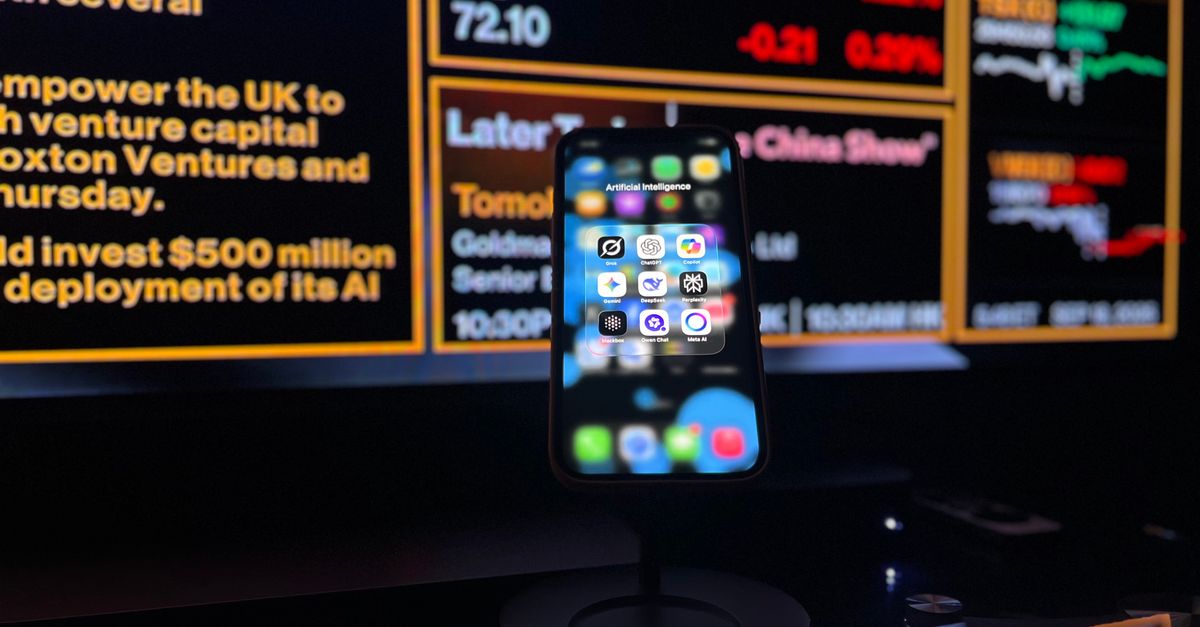
Photo by Déji Fadahunsi on Pexels
Apple TV 4K will run Siri AI in the upcoming tvOS 27. The move closes a gap that has existed since Apple unveiled Siri AI for iPhone, iPad, and Mac in June.
A 9to5Mac leak confirms that tvOS 27 includes the same on‑device large‑language‑model engine that powers the new assistant on other platforms. The leak does not disclose a release date, but the pattern suggests a fall rollout alongside iOS 17 and macOS Sonoma. Apple has not issued a formal statement about the feature.
The addition of Siri AI to Apple TV raises the same usability questions that have surfaced on macOS and iOS. macOS 27, codenamed Golden Gate, introduces a swipe‑down gesture that summons the assistant from anywhere on the screen. Critics note that the gesture collides with the familiar pull‑to‑open Notification Center on MacBooks. The conflict forces users to relearn a muscle memory that has been stable for years.
Apple’s UI changes illustrate a tension between new AI entry points and established interaction patterns. The swipe‑down gesture appears in beta builds of macOS 27 and iPadOS 27, yet it remains optional in the current betas. Developers can disable it, but the default setting may disrupt workflows for power users who rely on quick access to notifications.
Beyond the TV and desktop, Apple is embedding its AI engine in accessibility tools. At a Cupertino event, Apple announced that VoiceOver, Magnifier, and Voice Control will use Apple Intelligence to generate detailed image descriptions and natural‑language navigation. Tim Cook described the effort as “unlike any other” in the company’s history. Sarah Herrlinger, senior director of Global Accessibility Policy, said the updates bring “new, intuitive options for input, exploration, and personalization.”
VoiceOver’s Image Explorer will now describe photographs, scanned documents, and other visual content using the on‑device model. Live Recognition lets users press the Action button on iPhone and ask follow‑up questions about what the camera sees. Magnifier adopts the same model to provide high‑contrast descriptions and voice commands such as “zoom in.” Voice Control gains a flexible input mode that accepts natural language descriptions of onscreen elements, reducing the need to memorize exact labels.
Apple also unveiled on‑device subtitle generation for uncaptioned video across the ecosystem. The feature will appear later this year on iPhone, iPad, and Apple TV. For Vision Pro users, the company demonstrated eye‑controlled wheelchair navigation powered by the same AI engine. The accessibility rollout shows Apple applying its large‑language‑model to assistive technology rather than purely consumer‑facing features.
The iCloud web experience received a redesign that mirrors the AI‑driven changes on native platforms. Apple added interactive tiles that let users complete tasks such as marking a reminder as done or flagging an email without opening the underlying app. Quick actions appear when users hover over a tile, and touch devices support a left‑swipe gesture to reveal the same options.
Browser notifications now inform PC users of new mail or calendar events. The redesign also introduces a customizable homepage where users can select specific folders for Notes, a mailbox for Mail, or a photo collection to display. These options give users more control over what they see at a glance, a design philosophy that aligns with the on‑device AI’s emphasis on privacy and personalization.
Apple’s iCloud updates do not mention direct AI integration, but the new quick‑action model reflects the same on‑device processing philosophy that powers Siri AI and the accessibility tools. By keeping data local, Apple avoids sending personal content to the cloud for analysis, a point the company highlighted during the accessibility announcement.
The convergence of Siri AI on Apple TV, UI gestures in macOS, AI‑enhanced accessibility, and iCloud web interactivity signals a broader strategy. Apple is layering the same large‑language‑model across hardware and software while preserving its privacy‑by‑design stance. The approach creates new entry points for AI but also introduces friction for users accustomed to existing gestures.
What to watch: Apple’s fall software event should reveal the final tvOS 27 build and confirm the default state of the Siri AI gesture on macOS and iPadOS. Developers will need to decide whether to keep the swipe‑down shortcut enabled. Accessibility teams will monitor user feedback on VoiceOver and Voice Control enhancements. Finally, the iCloud web redesign will be tested on a broader audience, and early adoption metrics may indicate how users respond to AI‑driven quick actions.
Siri AI on Apple TV
The tvOS 27 leak shows Apple extending its on‑device language model to the living‑room. Siri AI will run locally on Apple TV 4K, meaning queries will be processed without sending audio to Apple’s servers. The feature mirrors the June rollout for iPhone, iPad, and Mac, which introduced on‑device inference for faster responses and stronger privacy.
Apple has not disclosed whether the new assistant will replace the existing Siri voice or sit alongside it as an optional mode. The leak suggests the assistant will be reachable via the remote’s press‑and‑hold Siri button, the same trigger used on other devices. If the implementation follows Apple’s recent pattern, the AI will answer follow‑up questions and generate richer content such as summaries of shows.
UI Tradeoffs in macOS and iOS
macOS 27 Golden Gate adds a swipe‑down gesture that summons the AI from any screen. Early testers report that the gesture interferes with the classic pull‑to‑open Notification Center. The conflict forces users to choose between quick AI access and familiar notification handling.
Apple has not indicated whether the gesture will be customizable in the final release. The default setting could alienate power users who rely on keyboard shortcuts and mouse gestures. The issue highlights a broader challenge: integrating AI entry points without breaking established workflows.
Accessibility Gets AI Depth
Apple’s accessibility announcement ties Apple Intelligence to core assistive tools. VoiceOver’s Image Explorer now describes image content with the same model that powers Siri AI. Live Recognition lets blind users ask open‑ended questions about what the camera sees.
Magnifier and Voice Control receive similar upgrades. Magnifier can be commanded with natural language, while Voice Control accepts free‑form descriptions of UI elements. The changes aim to reduce the reliance on precise accessibility labels, a common barrier in third‑party apps.
iCloud Web Redesign Aligns with AI Strategy
The iCloud website now features interactive tiles, quick actions, and browser notifications. Users can complete tasks from the home page without opening the underlying apps. The redesign does not explicitly mention AI, but the on‑device processing model that powers Siri AI and accessibility tools underlies the quick‑action engine.
Customizable homepages let users surface the most relevant content. The design encourages frequent, low‑friction interactions, mirroring the conversational UI that AI assistants provide on native devices.
What to Watch
Track the official tvOS 27 announcement for the final activation method of Siri AI on Apple TV. Monitor macOS 27 beta updates for any changes to the swipe‑down gesture. Watch accessibility community feedback on VoiceOver and Voice Control enhancements. Finally, observe iCloud web usage metrics to gauge acceptance of the new quick‑action paradigm.
Updates
- 2026-09-17 — The AI Slowdown Debate Crashed Salesforce’s Party (source)
Related Articles
iOS 27 forces a screen‑size rethink with landscape mode
iOS 27 adds full‑screen landscape support and a Siri app with third‑party extensions, nudging users toward larger iPhones and reshaping Apple’s AI strategy.
iOS 27 adds Siri mode to Camera, raising the bar for visual AI
Apple’s iOS 27 will embed Siri into the Camera app, promising deeper visual intelligence while rumors swirl about MagSafe and upcoming iPhone models.

Apple's rapid RC rollout pressures macOS developers
Apple released second release candidates for macOS Tahoe and Sequoia, while beta streams for Golden Gate and iOS 27.2 accelerate, sparking developer strain and highlighting ecosystem frictions.