

iOS 27 forces a screen‑size rethink with landscape mode

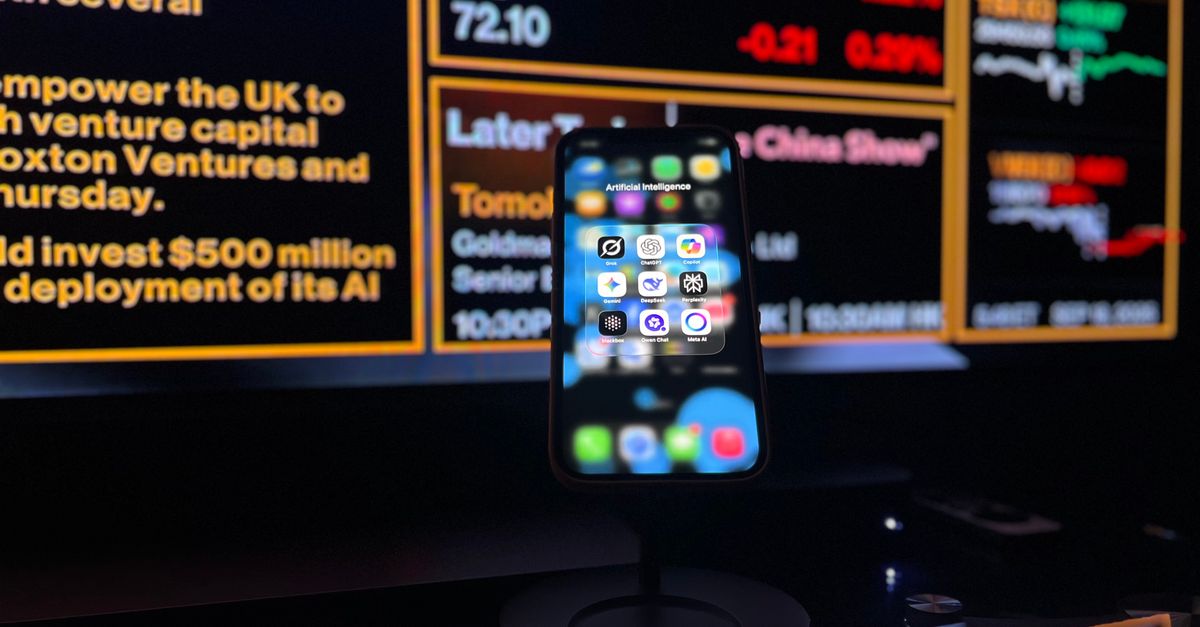
Photo by Déji Fadahunsi on Pexels
Expanded Landscape Support Pushes Larger Screens
Apple slipped a practical reason to upgrade into iOS 27: every app now respects true landscape orientation. The change feels like a quiet nudge toward the rumored iPhone Ultra, whose larger display will finally let users stretch apps without black bars. 9to5Mac noted that the expanded landscape support is one of the clearest hints that Apple is preparing a bigger‑screen device, even if the company isn’t yet talking about foldables.
For iPhone owners stuck with the 6.1‑inch class, the new mode feels like a half‑baked solution. Apps that once cramped into a narrow portrait window now spill over the edges, but the extra real‑estate is still limited by the phone’s physical dimensions. Users with a 6.7‑inch Pro Max get a genuinely comfortable experience, scrolling through Safari or editing documents without the constant thumb‑reach gymnastics. The shift also forces developers to rethink UI layouts, which could slow down updates for smaller models.
Siri Gets an App and Extensions Marketplace
Mark Gurman’s Power On newsletter revealed that iOS 27 will ship a dedicated Siri app, mirroring the ChatGPT, Gemini, and Claude experiences that have become common on Android and the web. The app will let users type or speak to Siri, scroll through past conversations, and—crucially—install third‑party chatbots via an “Extensions” marketplace inside the App Store. A fine‑print line in a pre‑release Settings screen reads: “Extensions allow agents from installed apps to work with Siri, the Siri app and other features on your devices.”
Gurman says the first developer beta lands in June, with a public rollout slated for September. The rollout may be limited to iPhone 15 Pro and newer models that already support Apple Intelligence, but Apple has not confirmed the cut‑off. If the Extensions store opens as promised, developers will be able to plug their own LLMs into Siri’s UI, turning the assistant into a hub rather than a silo. The plan also includes a system‑wide “Ask Siri” button in Apple apps and a “Write with Siri” shortcut above the keyboard, which could make AI‑assisted writing feel native.
How iOS 27 Fits Into Apple’s AI Push
The landscape overhaul and Siri extensions are not isolated tweaks; they are the latest moves in Apple’s broader AI rollout that began with Apple Intelligence earlier this year. While the WWDC 2026 keynote showcased a new Siri AI that can hold longer conversations, the on‑stage demo omitted many of the smaller, day‑to‑day improvements that HN catalogued, such as AI‑enhanced Photo suggestions and background processing tweaks.
Apple’s strategy appears to be two‑fold: first, lock users into a hardware upgrade cycle by making larger screens genuinely more usable; second, turn Siri into a platform that can host competing AI services. The latter mirrors Google’s approach with the Play Store’s AI integrations, but Apple’s tighter control over hardware and OS could give it a competitive edge. However, the Extensions model also raises privacy questions. Apple has historically sandboxed third‑party apps, but allowing external LLMs to process voice data through Siri could create new attack surfaces, especially if the marketplace lacks rigorous vetting.
Developers will need to adapt quickly. The Extensions API, still under wraps, is likely to require explicit user consent for each chatbot, mirroring iOS’s existing privacy prompts. Early adopters who ship compelling bots could capture a slice of the AI assistant market, but they will also inherit Apple’s stringent review process, which has historically slowed down innovative features.
What to Watch: Beta Timing, Model Availability, and Competition
The June developer beta will be the first real test of how smooth the landscape transition feels on older hardware. If performance degrades on 6.1‑inch iPhones, Apple may accelerate the push toward larger devices. The September consumer release will reveal whether the Siri app lands on all iOS 27‑compatible phones or remains exclusive to the newest Pro models. Keep an eye on the App Store’s “Extensions” section; its launch will signal how quickly third‑party AI can integrate with Siri.
Competitors are already positioning themselves. Google’s Bard and Microsoft’s Copilot are expanding into mobile, and OpenAI’s ChatGPT app already offers deep iOS integration. Apple’s success will hinge on whether the Siri app feels like a first‑class experience or a thin wrapper for existing AI services. The next set of iOS 27 release notes, the beta feedback loop, and any statements from Apple’s AI team will be the barometers for the assistant’s future.
In short, iOS 27 does more than add a few polish features. It forces a hardware rethink, opens Siri to the app ecosystem, and tightens Apple’s grip on mobile AI. The real story will unfold over the coming months as developers experiment with Extensions and users decide whether a larger screen is worth the upgrade.
Related Articles
Apple TV Gets Siri AI in tvOS 27 as Apple expands AI across
A leak shows Siri AI arriving on Apple TV 4K with tvOS 27, joining recent AI upgrades in macOS, iOS, and accessibility tools.

Apple Negotiates Nine‑Figure Publisher Deals for Siri News Feed
Apple is courting news publishers with multiyear, usage‑based payments to feed current headlines into its upcoming Siri AI, slated for release this fall.

Google Gemini Passes 1 Billion Users, Overtaking ChatGPT on iOS
Gemini hits a billion users, drives massive voice and image activity, and lands a deep partnership with Apple, reshaping the consumer AI race.