

California’s artificial turf boom meets health backlash
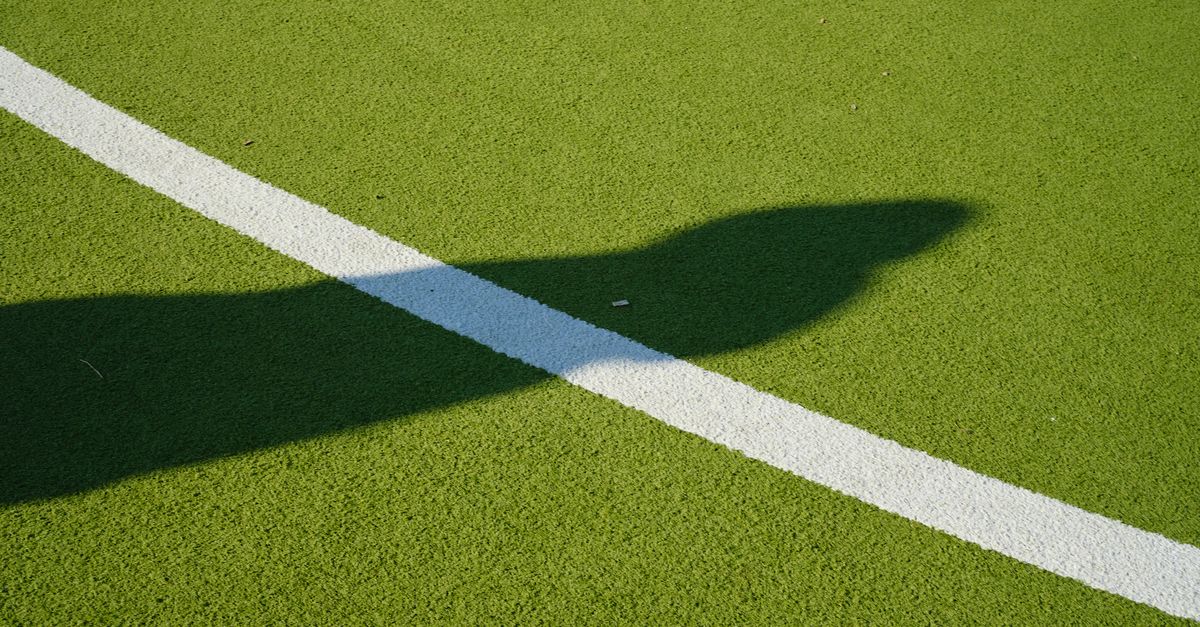
Photo by Yury Gargay on Pexels
California is laying down more synthetic grass than any other state, and parents are beginning to question whether the cheap convenience is worth the hidden dangers.
The state now installs roughly 1,100 acres of artificial turf annually – the equivalent of about 870 football fields – across school fields, city parks and private lawns. The numbers come from a statewide estimate that tracks installations from San Diego to Del Norte counties. While districts such as Laguna Beach Unified and the San Mateo County Office of Education earned environmental awards in 2025 for adopting the surfaces, a growing coalition of health experts and residents is pushing back.
A fast‑track rollout with a thin safety net
Municipalities and school districts tout the turf’s water savings, lack of pesticide needs and year‑round playability. “The fields do not require water, pesticides or fertilizers. They also provide year‑round playing time without the need for closures for regrowth or rain damage,” said Laura Chalkley, director of communications for San Mateo Union High School District.
Those arguments ignore the fact that the material is a plastic carpet, not grass. The surface consists of nylon or polymer blades anchored to a plastic mat, with a cushioning layer made from recycled tires, rubber, sneaker soles, sand, olive pits or coconut. The composition is deliberately engineered for durability, but durability does not equate to safety.
Heat, chemicals and burns – a triple threat
Researchers have documented three primary ways the turf can harm children. First, the surface can reach temperatures exceeding 160 °F on sunny days, enough to cause first‑ and second‑degree burns. “These surfaces get really hot,” said Sarah Evans, assistant professor of environmental medicine at Icahn School of Medicine at Mount Sinai. She added that her own children describe the feeling as “feet feel like they’re burning.”
Second, the blades have been found to contain forever chemicals known as PFAS, alongside endocrine disruptors such as phthalates and volatile organics like benzo(a)pyrene and naphthalene. The long‑term health effects of chronic exposure remain uncertain, but the presence of these compounds raises red flags for parents and physicians alike.
Third, the hard, non‑porous surface can increase the severity of injuries. While the cushioning layer mitigates some impact, the lack of soil means that falls can result in abrasions and sprains that are harder to treat than those on natural grass.
Policy friction as cities weigh bans
Los Angeles’ Energy and Environment Committee is now studying a possible ban on artificial turf, with a decision slated for October. The move follows a petition led by Terry Saucier, chair of the SoCal Stop Artificial Turf Task Force, who urged the council to stop calling the material “grass.” “It’s carpet. They’re taking green space, grass and dirt away from kids and laying down synthetic carpets,” he said.
Other municipalities have already acted. San Marino and Milbrae have prohibited the installation of new turf fields, citing health and environmental concerns. The contrast between award‑winning districts and banning cities highlights a regulatory split that could shape future public‑space design across the state.
The debate also surfaces a deeper question about how public agencies evaluate trade‑offs between resource conservation and health risk. Water savings are measurable; heat‑related injuries and chemical exposure are not, making the calculus more opaque for policymakers.
Beyond California – the broader synthetic‑surface dilemma
Artificial turf is not a California‑only phenomenon. Cities nationwide are installing the material to reduce maintenance costs and meet drought‑response goals. Yet the health concerns identified in California echo reports from other regions where similar injuries and chemical detections have been recorded.
The technology itself is evolving. Manufacturers claim newer infill mixes lower surface temperature and reduce chemical leaching, but independent testing has lagged behind deployment. Without transparent, third‑party data, districts are left to trust vendor claims that may not hold up under rigorous scrutiny.
If the health risks prove significant, the fallout could extend to other synthetic installations, such as rubberized playground surfaces and polymer‑based sports flooring. The conversation may shift toward hybrid solutions that blend natural soil with low‑maintenance grasses, or toward redesigning the infill to prioritize safety over cost.
What to watch
Stakeholders should monitor the Los Angeles City Council’s vote in October, as it will set a precedent for other jurisdictions. Follow the California Department of Education’s guidance updates, which could tighten material standards. Finally, keep an eye on independent research studies that measure on‑field temperatures and chemical emissions – those data points will determine whether synthetic turf remains a viable alternative or becomes a cautionary footnote in urban planning.
Updates
- 2026-09-10 — The Boring Company raises $3B in round led by UAE (source)
Related Articles
NOAA’s fishing-first agenda threatens marine science
NOAA’s new policy shifts priority to commercial fishing, prompting critics to warn of weakened science rules and broader implications for environmental governance.
California exempts Linux from age‑verification law
California lawmakers unanimously exempt GPL, MIT, BSD and Apache licensed software from the state's new age‑verification requirement.
U.S. Clean Energy Gains 45GW as AI Tightens Emissions Tracking
Record 45GW capacity boost shows clean power growth despite political pushback, while AI tools sharpen emissions measurement.