

U.S. Clean Energy Gains 45GW as AI Tightens Emissions Tracking

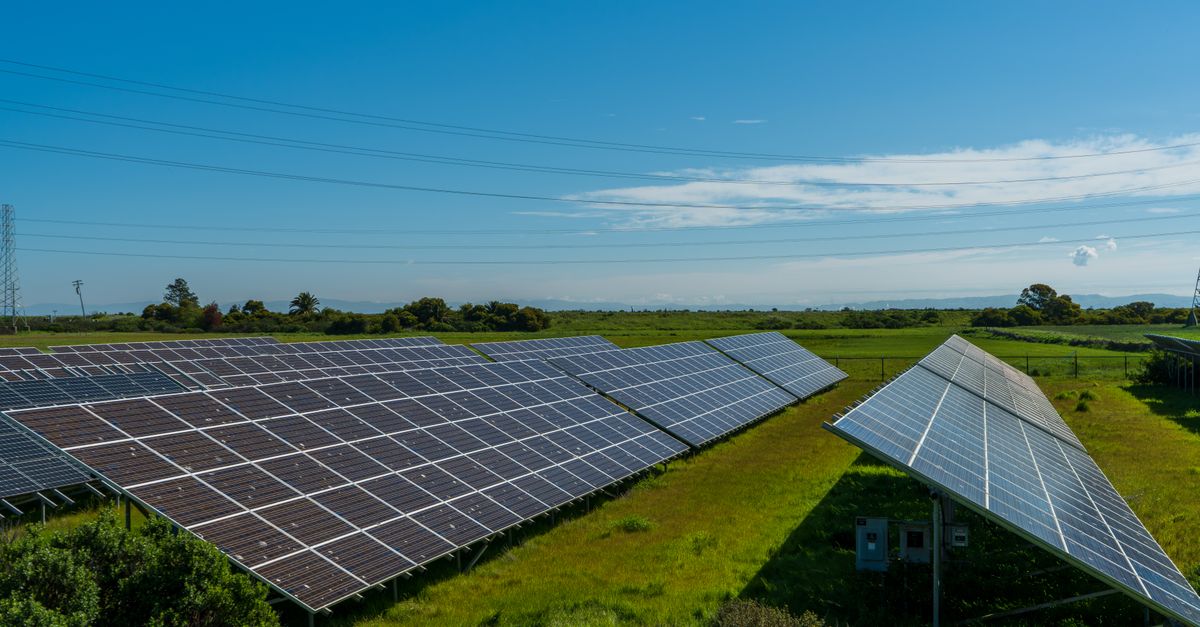
Photo by ERod Photos on Pexels
Record Capacity Gains Defy Policy Pushback
S&P Global Energy reports a record 45 GW of new clean‑energy capacity slated for 2024. The surge arrives while the Trump administration tried to curb clean‑energy messaging. A headline in early 2017 claimed the administration rewrote the Energy Information Administration’s kids site to hide coal‑related emissions. The claim was later retracted after the agency clarified it never received direction from the new administration. The correction underscores a broader tension: political rhetoric versus market momentum.
The capacity jump dwarfs the modest policy shifts seen in the past year. Developers are locking in projects across the Sun Belt and the Midwest. The numbers reflect contracts signed, permits issued, and financing secured. Investors cite the growth as a hedge against regulatory uncertainty. The market is moving forward regardless of the political noise.
Solar Performance Still Tied to Temperature
Engadget notes that solar panel efficiency drops as temperature climbs. Hot panels convert fewer photons into electricity. Cold panels operate closer to their rated output. The temperature effect varies by cell chemistry and mounting style.
Installers now factor local climate into layout decisions. In desert regions, they tilt arrays to increase airflow. In cooler latitudes, they prioritize high‑efficiency modules. The temperature factor matters because the new 45 GW will include large‑scale farms in both hot and temperate zones. Operators will need to model output losses to meet power‑purchase agreements.
AI Steps Up to Measure Energy Impact
Google’s Chief Technologist, Learning & Sustainability, announced a new methodology for measuring AI energy use. The study shows the median Gemini Apps text prompt now consumes 33 times less energy than a year ago. Carbon emissions per prompt fell 44 times. The energy per prompt equals watching television for less than nine seconds.
In 2024 Google reduced data‑center emissions by 12 percent while electricity consumption rose 27 percent year‑over‑year. The reduction stems from hardware redesign, cooling upgrades, and software‑level efficiency gains. The company frames the progress as part of a broader push to align AI growth with climate goals.
EcoLogits, an open‑source project under the CodeCarbon nonprofit, offers tools to estimate the footprint of generative‑AI models at inference. Its web interface lets developers input model parameters and receive an emissions estimate in seconds. A Python library tracks impacts for API calls made through official SDKs. An API service lets larger applications embed the methodology directly. The project credits Data For Good and Boavizta for tooling and expertise.
Industry Context: From Policy Battles to Data‑Driven Decisions
The clean‑energy surge occurs against a backdrop of policy friction. The 2017 Energy Kids edit saga highlighted how language can shape public perception of coal and fracking. Although the edits were later removed, the episode revealed a willingness to influence educational content. That episode coincided with a broader push to roll back regulations on fossil‑fuel emissions.
Today, granular data is reshaping the debate. AI‑driven measurement tools give regulators and investors concrete numbers instead of vague narratives. The 45 GW capacity figure is a headline; the underlying emissions profile depends on grid mix, storage, and demand response. AI models can simulate those variables in near real time, informing dispatch decisions and policy reviews.
The convergence of abundant clean power and precise emissions accounting creates a feedback loop. As more renewable capacity comes online, AI can pinpoint where curtailment occurs and suggest grid upgrades. Conversely, AI’s own energy appetite is being tamed by the same efficiency work that powers the renewable surge.
What to Watch
Track the monthly S&P Global Energy capacity reports for updates on the 45 GW pipeline. Watch for any DOE rule changes that could affect interconnection timelines. Follow the next release of Google’s AI efficiency methodology and EcoLogits’ version updates. Those data points will indicate whether the clean‑energy boom stays on pace and whether AI’s carbon shadow continues to shrink.
Related Articles

Iran Shock Sped Asia-Europe Energy Shift
Iran's latest conflict has forced Asian and European leaders to rush renewable policies while U.S. energy education and AI tools reshape the sustainability narrative.

Tech roundup: Tesla waste, Disney purge, AI backlash
Tesla's Texas refinery discharges 231k gallons of wastewater daily. Disney pulls FiveThirtyEight content. Graduates boo AI talks. Costs rise and a virtual OS museum emerges.
Microsoft's Data Centers Threaten Clean Energy Goals
Microsoft's AI-driven data center expansion risks undermining its 2030 clean energy targets as infrastructure demand grows.