

Iran Shock Sped Asia-Europe Energy Shift

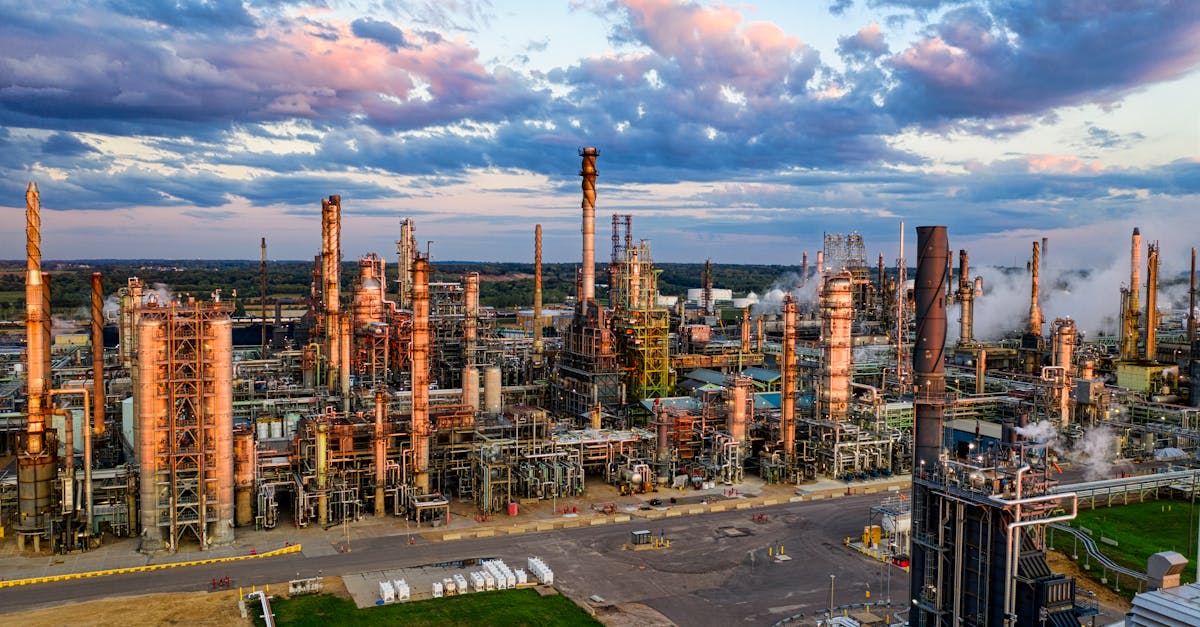
Iran’s Conflict Triggers Policy Acceleration in Asia and Europe
Iran’s unexpected military escalation last week forced Asian and European governments to accelerate renewable‑energy policies, according to Bloomberg’s June 2026 interactive graphic titled Iran Shock Jolts Asia and Europe to Speed Up Energy Transition. The visual links the shock to a wave of announced subsidies, grid‑capacity commitments and fast‑track permitting processes across the region. While the graphic does not enumerate exact megawatt figures, the timing of the announcements—within days of the Iranian event—suggests a direct causal perception among policymakers.
The speed of the response mirrors the 1973 oil shock, when oil‑importing nations rushed to diversify supply. In 2026, the perceived supply risk is not oil price alone but the geopolitical volatility of a major Middle‑East producer. Asian power ministries have publicly pledged to double offshore wind targets, and European energy ministers have signaled intent to lock in additional solar‑farm contracts before the summer. The Bloomberg graphic captures these pledges as a coordinated regional shift rather than isolated national moves.
The Battle Over Energy Narratives in U.S. Education
A separate front of the energy debate unfolded in Washington, where the Energy Information Administration (EIA) quietly rewrote sections of its child‑focused website, Energy Kids. The changes stripped explicit references to coal’s climate impact: the sentence “Burning coal produces emissions that adversely affect the environment and human health” vanished, and two pie charts linking coal’s 42 percent electricity share in 2014 to 76 percent of carbon emissions were removed. Language about hydraulic fracturing was softened from “environmental concerns” to “some effects on the environment.”
EIA officials clarified that the administration had not contacted the agency about the edits, and the agency’s press release emphasized its independence. Nonetheless, the timing—weeks after a ProPublica correction that debunked claims of a “Team Trump” overhaul—highlights how even modest wording shifts can reshape public perception. By replacing “impacts” with “effects” and “adversely affect” with neutral phrasing, the agency moves the narrative closer to a technical description that downplays urgency, echoing the subtle framing tactics seen in earlier energy‑policy debates.
AI’s Growing Role in Measuring and Reducing Energy Footprints
Amid these geopolitical and narrative battles, artificial intelligence is emerging as a new measuring stick for energy use. Google disclosed that, over a twelve‑month period, the median energy consumption of a Gemini Apps text prompt fell by a factor of 33, while the associated carbon footprint dropped 44‑fold. The company equated the current median prompt’s energy draw to watching television for less than nine seconds. In parallel, Google reported a 12 percent reduction in data‑center emissions in 2024 despite a 27 percent rise in electricity consumption, attributing the gain to hardware design and model‑efficiency improvements.
Open‑source projects are amplifying this transparency push. EcoLogits, a suite of tools maintained by the CodeCarbon nonprofit, offers a web interface, Python library and API for estimating the life‑cycle emissions of generative‑AI inference. Backed by Data For Good and Boavizta, EcoLogits embeds carbon accounting directly into development pipelines, allowing engineers to see the environmental cost of a single model call in real time. By turning abstract kilowatt‑hour figures into actionable metrics, these tools make it possible to benchmark the “energy‑intensive” claim that often haunts AI deployments.
Industry Response and the Road Ahead
The convergence of a Middle‑East security shock, domestic narrative engineering, and AI‑driven accounting forces the energy sector onto a tighter feedback loop. Asian and European leaders, motivated by supply risk, are likely to lock in renewable contracts that lock in demand for low‑carbon generation assets. In the United States, the EIA’s editorial adjustments may blunt the perceived urgency of coal phase‑out, potentially slowing legislative momentum at a time when AI‑derived data could have bolstered the case for stricter emissions standards.
What to watch: the European Commission’s upcoming “Renewables Acceleration Package” slated for October, the U.S. Senate’s Energy and Natural Resources Committee hearing on AI‑related emissions slated for November, and the next release of EcoLogits’ benchmark dataset in early 2027. Each decision will either cement the momentum sparked by Iran’s shock or allow old narratives to reassert themselves, shaping whether the global energy transition gains irreversible traction or stalls under competing pressures.
Updates
Related Articles

Antares SMR test, coal revival, and AI energy push collide
Antares' SMR hits criticality as the Trump admin backs new coal plants and AI firms chase efficiency, exposing the tangled energy transition.

Anthropic Plans to Pace AI Frontier as US Labs Push Open‑Weight
Anthropic's CEO outlines a pacing strategy while Garry Tan urges US labs to distill frontier models, sparking pushback from mathematicians worried about AI's reach.

NOAA’s fishing-first agenda threatens marine science
NOAA’s new policy shifts priority to commercial fishing, prompting critics to warn of weakened science rules and broader implications for environmental governance.