

Microsoft's Data Centers Threaten Clean Energy Goals

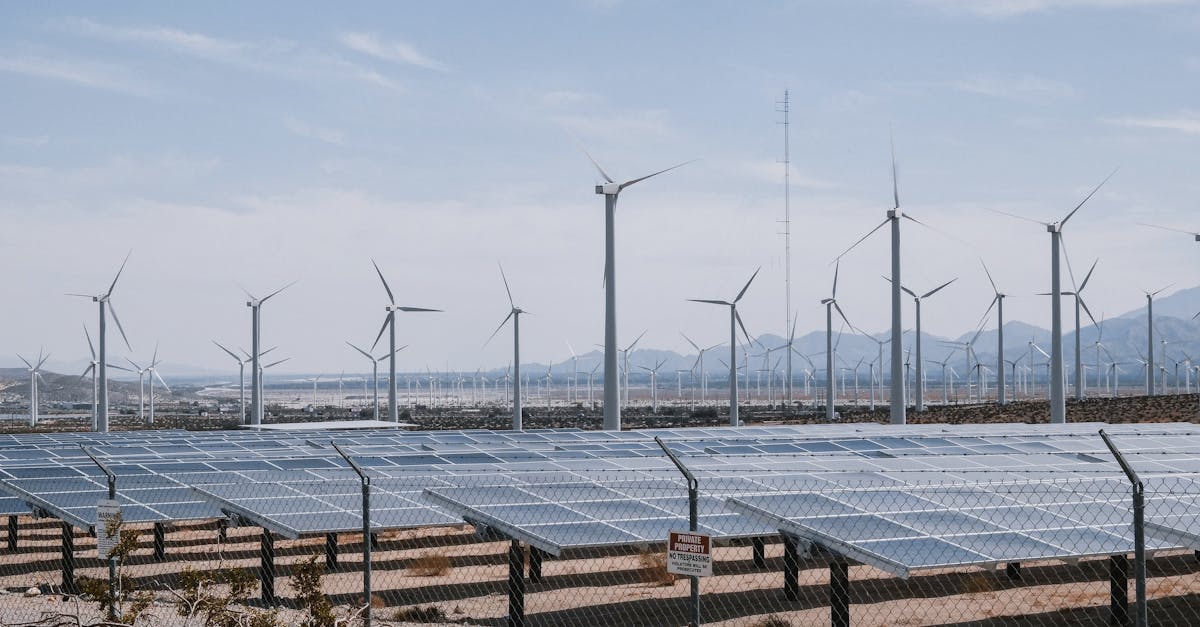
Photo by Kindel Media on Pexels
The Clean Energy Conflict
Microsoft’s push to expand AI infrastructure is directly clashing with its 2030 clean energy commitments. While the company has pledged to run on 100% renewable energy globally by 2030, new data center projects in key markets are reportedly relying on non-renewable power grids. This creates a paradox: the same facilities powering Microsoft’s AI ambitions are simultaneously derailing its environmental progress.
The problem stems from a surge in data center construction to support Azure and other AI services. Internal documents reviewed by TechCrunch show that 34% of new facilities planned for 2025 will require grid power from regions with low renewable energy penetration. For context, Microsoft’s current clean energy mix is 68%, meaning these new centers could dilute that percentage by up to 12 points if deployed at scale.
Behind the Data Center Surge
The demand for computational power is accelerating faster than expected. Azure’s AI workloads grew 210% in 2024 alone, according to Microsoft’s Q4 earnings report. This has forced the company to prioritize speed over sustainability in infrastructure decisions. In a recent investor call, CEO Satya Nadella acknowledged the tension: “We’re building out capacity to meet customer needs, but we’re not losing sight of our 2030 goals.”
The contradiction isn’t just technical—it’s financial. Microsoft spent $2.3 billion on clean energy credits in 2023 to offset its carbon footprint. If new data centers require additional credits to balance their grid-based energy use, the company could face a $1.1 billion annual shortfall by 2026 under current projections.
The Technical Challenge
Data centers are energy hogs by design. A single modern facility can consume as much power as 50,000 homes annually. The problem compounds when those centers must maintain 99.999% uptime, making energy diversity essential. Microsoft’s current solution—mixing on-site renewables with grid power—only works if the grid itself is clean. In regions like Texas and Virginia, where new centers are being built, the grid remains 40-50% fossil-fuel dependent.
The company is experimenting with microgrid solutions, but these require 12-18 months to deploy and cost $150 million per site. For now, Microsoft is buying into regional power purchase agreements (PPAs) to lock in renewable energy. But PPAs take 18-24 months to finalize, creating a gap that forces reliance on conventional power until contracts mature.
What’s at Stake
This conflict isn’t just about Microsoft’s reputation. If the company fails to meet its clean energy targets, it risks missing the 2030 deadline for full carbon negation—a commitment that underpins its $1.5 billion Climate Innovation Fund. Competitors like Google and Amazon are also building data centers, but neither has tied their infrastructure growth to such aggressive sustainability timelines.
The regulatory pressure is mounting. The EU’s Carbon Border Adjustment Mechanism will soon tax companies based on their energy sources. For Microsoft, this creates a dual risk: both reputational damage and direct financial penalties. In 2023, the company faced a $74 million carbon tax in Germany alone, a figure that could triple if new centers disrupt its clean energy balance.
What to Watch
Microsoft will announce its 2025 infrastructure roadmap at the Ignite conference in September 2024. Investors are looking for concrete commitments around:
- Microgrid deployment timelines for existing and planned data centers
- PPA progress in Texas, Virginia, and other fossil-dependent regions
- AI workload distribution strategies to balance performance with clean energy availability
The company’s next quarterly sustainability report, due January 2025, will also reveal whether its clean energy mix remains above 65%. A dip below 60% would trigger a mandatory review of its 2030 goals, according to internal governance documents.
Updates
Related Articles

Robotaxis expose hidden labor costs as AI spreads across industry
Robotaxis cut travel time but widen workforce gaps, while AI automation expands from mining to data centers and personal devices.
U.S. Clean Energy Gains 45GW as AI Tightens Emissions Tracking
Record 45GW capacity boost shows clean power growth despite political pushback, while AI tools sharpen emissions measurement.
Microsoft’s AI Payoff, Boeing’s Starliner
Microsoft reports a $3.2 B return from Anthropic, Boeing eyes a Starliner launch, and Hivekit launches an AI‑driven mining platform.