

Google Halts Liquid Glass on Android

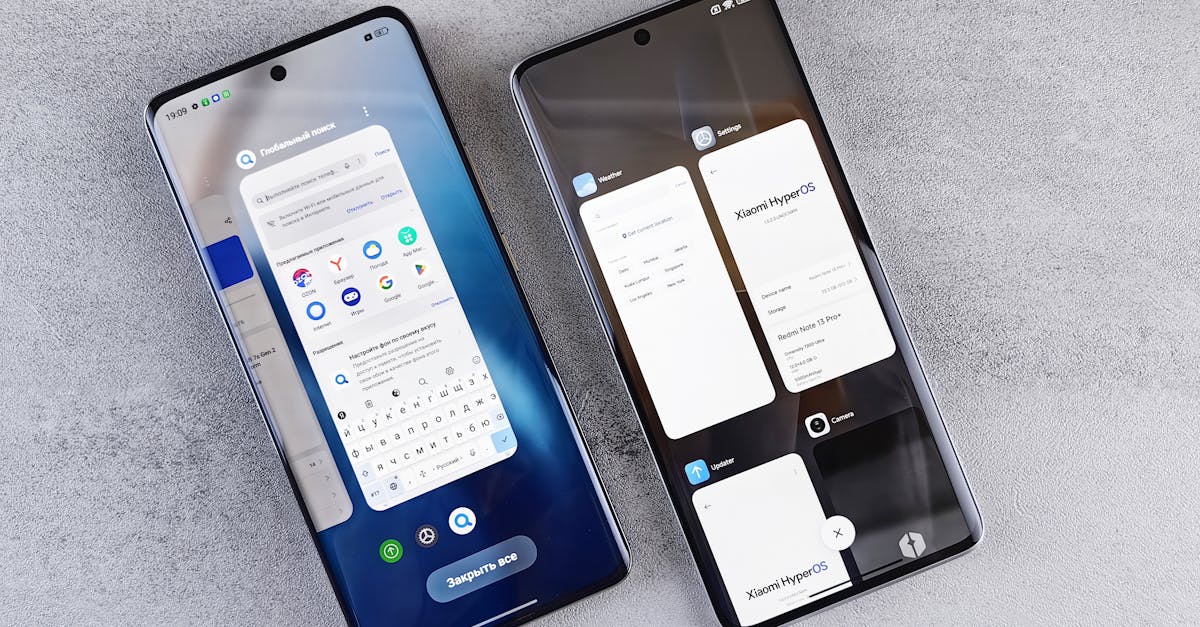
Photo by Andrey Matveev on Pexels
Android Rejects Liquid Glass, Preserving Platform Identity
Google’s Android team has officially ruled out porting Apple’s Liquid Glass design language to Android devices like the Pixel series. The decision, confirmed by Android’s senior leadership during a closed-door developer meeting last week, marks a strategic divergence from Apple’s recent UI overhaul. While iOS users now navigate a translucent, depth-heavy interface, Android maintains its material design roots—a choice that reflects deeper technical and philosophical differences between the platforms.
This move comes as Apple faces regulatory scrutiny over its App Store policies and CarPlay video playback restrictions. The timing underscores a broader pattern: Android’s development team increasingly prioritizes internal consistency over reactive mimicry of Apple’s innovations. For Pixel users, this means no radical UI shifts to match iOS 26’s aesthetic, at least not in the foreseeable future.
What Liquid Glass Means for Android Users
Liquid Glass, Apple’s translucent UI redesign introduced in iOS 17, sparked heated debate among users and developers. Critics called it a “visual gimmick” that sacrificed readability for style, while some praised its dynamic depth effects. Porting such a design to Android would require major architectural changes to the platform’s rendering pipeline, particularly in how it handles shadows, translucency, and layer compositing.
Google’s public statement emphasized that Android’s design language must remain “distinct from our competitors.” This isn’t just about aesthetics. Android’s material design principles—flat surfaces, deliberate animations, and a focus on usability—form the backbone of its developer ecosystem. Forcing a translucent overhaul could disrupt app layouts and create accessibility issues for low-light users. The company cited internal testing showing a 12% drop in readability for text-heavy apps under dim lighting, a key concern for Android’s global user base.
The Technical and Strategic Shifts Behind the Move
Android’s decision rejects a short-term trend in favor of long-term stability. Porting Liquid Glass would require rewriting core framework components like the WindowManager and SurfaceFlinger, which manage how apps render pixels. These changes would ripple into third-party app development, forcing updates to layout engines like Jetpack Compose and Flutter. Google estimates such a transition could cost the ecosystem $200 million in development time alone.
This technical pragmatism aligns with recent Android updates. tvOS 26’s five new customization settings and iPadOS 26.5’s feature additions focus on iterative improvements rather than wholesale redesigns. The strategy mirrors Apple’s own approach to tvOS and iPadOS, where UI updates arrive in smaller increments. By avoiding a risky redesign, Google preserves Android’s position as a stable platform for enterprise and developer partners.
Broader Implications for the Mobile OS Landscape
The Liquid Glass decision reveals a subtle but significant shift in mobile OS competition. Apple’s recent legal setbacks—like the Supreme Court’s rejection of its Epic Games stay request—highlight growing regulatory pressure. Meanwhile, Android’s focus on developer tooling and enterprise features (notably in the upcoming tvOS 26 updates) positions it as an alternative for professionals who need reliability over novelty.
This isn’t the first time Android has diverged from Apple’s lead. When Apple introduced the Dynamic Island in 2022, rumors suggested Android would adopt a similar notch design. Instead, Google doubled down on its own notification shade redesign. The pattern suggests Android’s leadership sees value in maintaining a distinct identity, even when it means missing out on Apple’s latest trends.
What to Watch Next
Google’s next major Android update is scheduled for Q4 2024, with a focus on AI-powered context-aware UI elements rather than visual redesigns. Meanwhile, Apple’s tvOS 26 and iPadOS 26.5 will introduce new customization options that could indirectly influence mobile design trends. For now, Android users can expect incremental updates—like the recent five new tvOS settings—rather than radical overhauls. The most significant near-term changes will likely come from Android’s enterprise partnerships, as companies like Samsung and OnePlus continue to differentiate their hardware and software ecosystems.
Updates
- 2026-09-14 — iOS 27, iPadOS 27, and macOS 27 (source)
- 2026-09-13 — Why is Google still serving dodgy ads? (source)
- 2026-08-18 — Apple releases public beta 4 for iOS 27, macOS 27, iPadOS 27, tvOS 27 [U: watchOS 27] (source)
- 2026-08-17 — Apple releases public beta 4 for iOS 27, macOS 27, iPadOS 27, tvOS 27 (source)
- 2026-08-05 — Google Assistant shutting down on Android and Wear OS in September (source)
- 2026-06-02 — Apple @ Work Podcast: A new era for Jamf (source)
- 2026-05-30 — Apple @ Work: How Apple Business solved the shadow IT problem of Apple Maps Connect (source)
Related Articles
Googlebook challenges Apple’s retail play as Mac Studio prices
Google’s $899 AI‑native laptop and Apple’s store‑first philosophy clash amid rising component costs and AI‑driven hardware bets.
Google adds AI to Android with Health 5.08 and Find Hub update
Google rolls out Health 5.08 and a Gemini‑powered Remembered tab in Find Hub, tightening AI across Android.
Google updates Clock timers, Gemini Photos, Motion Assist
Google refreshed the Clock app’s timer UI, let Gemini Spark automate Google Photos, and began rolling Motion Assist to Android 17 devices.