

Google rolls out Android upgrades as night‑vision gains color

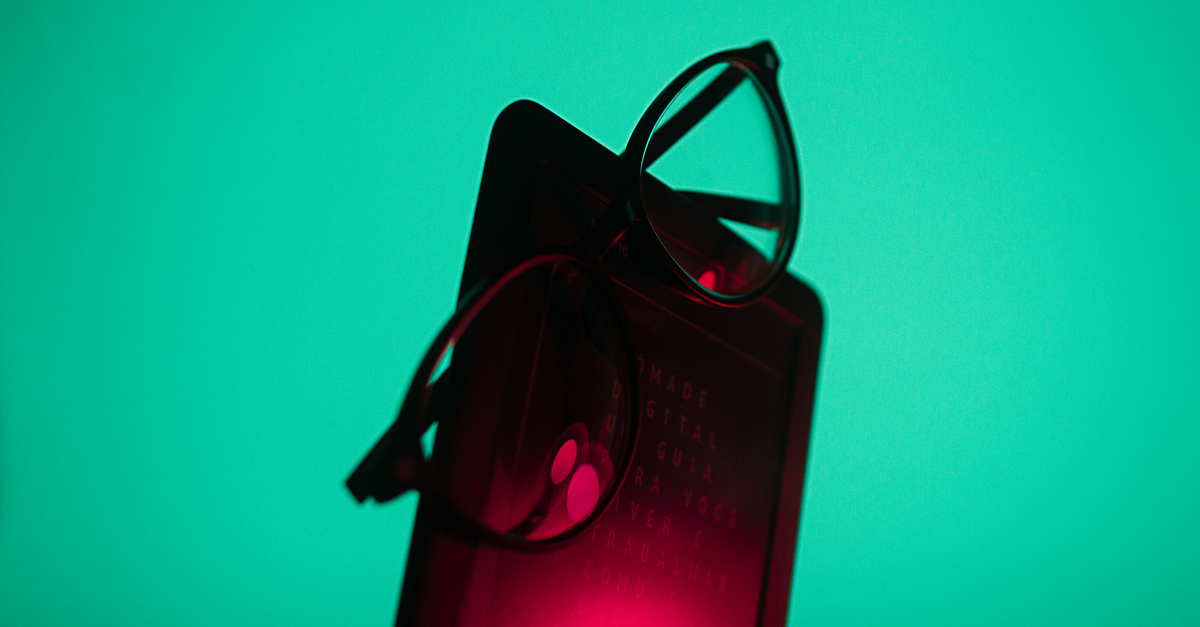
Photo by @felipepelaquim - on Pexels
Full‑color night vision breakthrough
Researchers have built a goggle that translates infrared wavelength and intensity into visible colors. The device maps the invisible spectrum onto a palette the human eye can read, turning night into a multicolored scene.1234
The approach sidesteps the monochrome output of traditional night optics.2345 By assigning hue to specific infrared bands, the goggle gives users immediate context about heat sources, distance, and material composition without a separate overlay.1234 The proof‑of‑concept demonstrates that color can be a practical cue for night‑time navigation, surveillance, or wildlife observation.1245
Android 17 QPR1 Beta 8 lands on Pixel
Android 17 QPR1 Beta 8 began rolling out today to Pixel phones.678 The update follows a release two weeks earlier and arrives after Google shipped the first QPR2 Beta.6
Beta 8 refines the quick‑patch rollout process introduced in QPR1.6 It tightens security patches, reduces boot‑time latency, and smooths the transition between beta streams.6 For developers, the build restores a stable A/B partition layout that earlier betas briefly altered.
Pixel owners who opt in will see the new build appear in Settings → System → Advanced → System update. The rollout is staged, so not every device receives the package at once. Early adopters can report regressions through the Android issue tracker, giving Google a final data point before the next quarterly patch.
Nest Hub sleep tracking moves to Google Health
Sleep Sensing on the second‑generation Nest Hub has only worked with Google Fit since launch. With Google Fit slated for retirement, the feature will migrate to Google Health.
The migration preserves the Soli radar‑based motion analysis that estimates sleep stages, breathing patterns, and disturbances. Users will no longer need to grant Fit permissions; instead, the Hub will write data directly to the Health app, where it can be combined with other wellness metrics.
Google has not announced a redesign of the Health interface, but the move signals a consolidation of personal‑data services. By centralizing activity, nutrition, and sleep under a single umbrella, the company reduces friction for developers building health‑focused integrations.
Documents backup syncs Android files to Drive
Google now offers a “Documents” backup that automatically uploads files and downloads from Android phones or tablets to Google Drive. The service runs in the background, detecting newly saved documents and copying them to the user’s Drive account.
The backup respects existing Drive storage quotas and encrypts data at rest. Users can toggle the feature in Settings → Google → Backup. When enabled, the system backs up PDFs, Word files, and other common formats without requiring manual selection.
By tying local storage to the cloud, the feature mitigates data loss from device failure or accidental deletion. It also gives users a searchable archive of their mobile documents, a capability previously limited to app‑specific cloud sync.
What to watch
The night‑vision goggle will need field trials to prove that color mapping improves decision‑making over grayscale. Look for a university or defense lab publishing performance metrics in the next quarter.
On the Android side, track the adoption rate of Beta 8 across Pixel models. A rapid uptake would validate Google’s incremental patch strategy ahead of the next major release. Also monitor how quickly Nest Hub users transition to Google Health; a spike in health‑app engagement could hint at broader data‑unification plans.
Finally, watch for any quota‑related complaints about the Documents backup. If users hit Drive limits unexpectedly, Google may need to adjust storage policies or offer tiered pricing for mobile‑focused backup.
Footnotes
Related Articles
Google adds AI to Android with Health 5.08 and Find Hub update
Google rolls out Health 5.08 and a Gemini‑powered Remembered tab in Find Hub, tightening AI across Android.
Google updates Clock timers, Gemini Photos, Motion Assist
Google refreshed the Clock app’s timer UI, let Gemini Spark automate Google Photos, and began rolling Motion Assist to Android 17 devices.
Google’s Android Moves: Deals, Bugs, and a Platform Pivot
A rundown of fresh Android app discounts, Pixel 11 beta rollout, Meet hardware shift to Android, and new AI tools amid a Play Store crackdown.