

Microsoft’s AI Payoff, Boeing’s Starliner


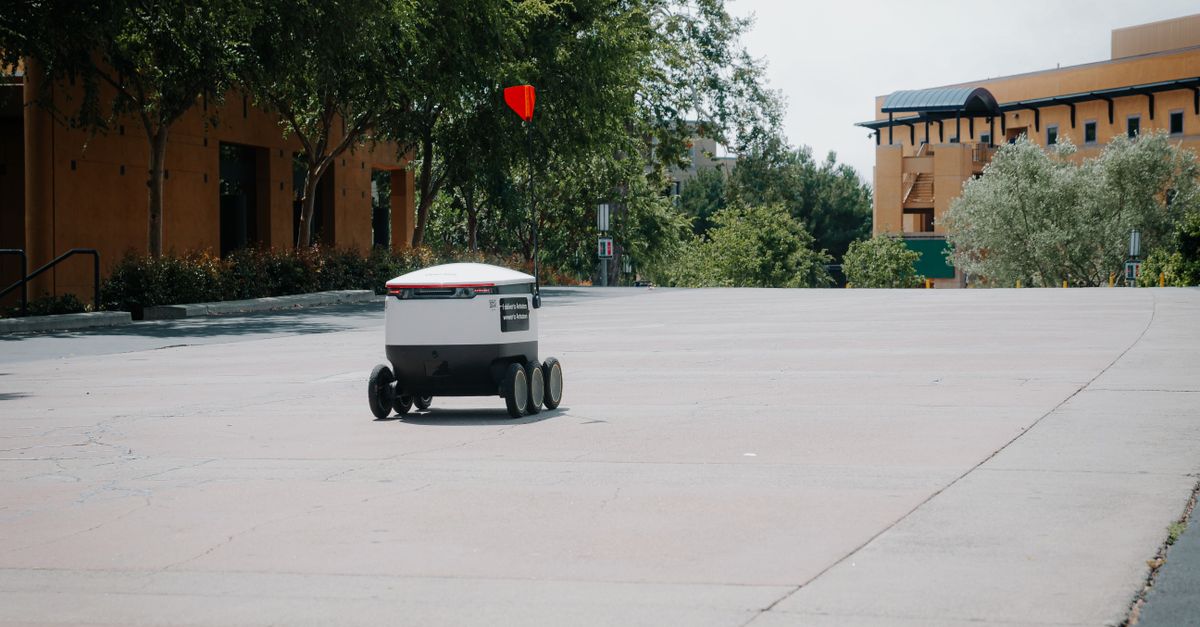
Photo by Julia Volk on Pexels
Microsoft’s AI cash flow shows a split
Microsoft posted a strong fourth‑quarter for fiscal 2026, ending June 30, and highlighted a $3.2 billion return from its Anthropic stake. The same earnings release noted that OpenAI, the other pillar of its AI strategy, delivered mixed results. The contrast is stark: a single‑digit‑billion windfall from one partner and a less‑clear contribution from the other.
According to TechCrunch, the Anthropic payoff underscores the value of a minority investment in a fast‑moving lab. OpenAI’s mixed bag reflects the volatility of a business still wrestling with pricing, compute costs, and enterprise adoption. The data point forces investors to ask whether spreading capital across competing labs mitigates risk or simply doubles exposure to a market that may not scale uniformly.
Boeing’s Starliner inches toward flight
Boeing’s CST‑100 Starliner, long delayed by technical setbacks, now appears on a plausible launch timeline for this year. “We’re feeling pretty good about that,” CEO Kelly Ortberg told Ars Technica, indicating confidence that the vehicle will finally leave the pad.
The statement follows a series of successful static‑fire tests and a revised software architecture that addressed earlier thermal‑protection concerns. Still, the program carries a reputation for schedule slips and cost overruns. The next milestone—an uncrewed orbital flight—will be the first real proof that Boeing can meet NASA’s reliability standards after years of setbacks.
Hivekit brings AI planning to underground mines
Hivekit announced a geospatial operations platform aimed at modern mines. The system fuses real‑time telemetry, 3D underground visualization, and an AI engine called ops.ai to generate dynamic drill‑load‑blast‑muck schedules. It claims to monitor every step of the production chain—from loading and hauling to dumping and ventilation—while aligning those actions with a live digital twin of the mine.
Ops.ai ingests equipment telemetry, crew assignments, regulatory limits, and even weather data to continuously refine its recommendations. The platform can re‑optimize haul routes on the fly, allocate drivers and vehicles, and flag deviations from the long‑term plan. Hivekit markets the solution as a way to surface patterns that human planners miss, such as crew pairings that reduce downtime or route changes that avoid bottlenecks.
Broader implications for capital allocation and automation
Microsoft’s dual‑lab approach, Boeing’s renewed launch confidence, and Hivekit’s AI‑driven mining platform illustrate three distinct capital‑allocation philosophies. Microsoft bets on diversification across rival AI labs, hoping that at least one will deliver outsized returns. Boeing leans on a single, high‑profile program to restore credibility in the commercial crew market. Hivekit pours venture funding into a niche vertical, betting that AI can squeeze efficiency out of an industry traditionally slow to digitize.
The common thread is risk. Microsoft’s mixed OpenAI results warn that even deep pockets cannot guarantee uniform success across partners. Boeing’s Starliner still faces certification hurdles that could push the timeline beyond 2024. Hivekit’s value proposition hinges on mines adopting a cloud‑centric, data‑heavy workflow—a shift that may encounter legacy‑system inertia and limited connectivity underground. Each case forces stakeholders to weigh immediate cash flow against longer‑term strategic positioning.
What to watch
Investors should track Microsoft’s next earnings call for any shift in its OpenAI revenue reporting. Boeing’s upcoming uncrewed Starliner flight will be a litmus test for its ability to meet NASA’s schedule and cost targets. In the mining sector, the first commercial deployment of Hivekit’s platform—expected in late 2024—will reveal whether AI‑driven planning can deliver measurable productivity gains in a real‑world operation. These data points will clarify whether the divergent strategies are paying off or simply postponing inevitable market corrections.
Updates
- 2026-08-12 — Researchers found a way to hijack devices through Zoom screen sharing (source)
Related Articles

AI voice tools turn calls, notes, and feedback into data
New services let users record voice feedback, transcribe messages, share AI knowledge, and run phone agents, reshaping how businesses handle spoken data.
Robotaxis expose hidden labor costs as AI spreads across industry
Robotaxis cut travel time but widen workforce gaps, while AI automation expands from mining to data centers and personal devices.

AI Worms Use Copilot for Word to Self‑Propagate
Researchers demonstrate AI‑driven code that spreads through Microsoft Word via Copilot, exposing a novel attack surface for enterprise documents.