

Robotaxis expose hidden labor costs as AI spreads across industry

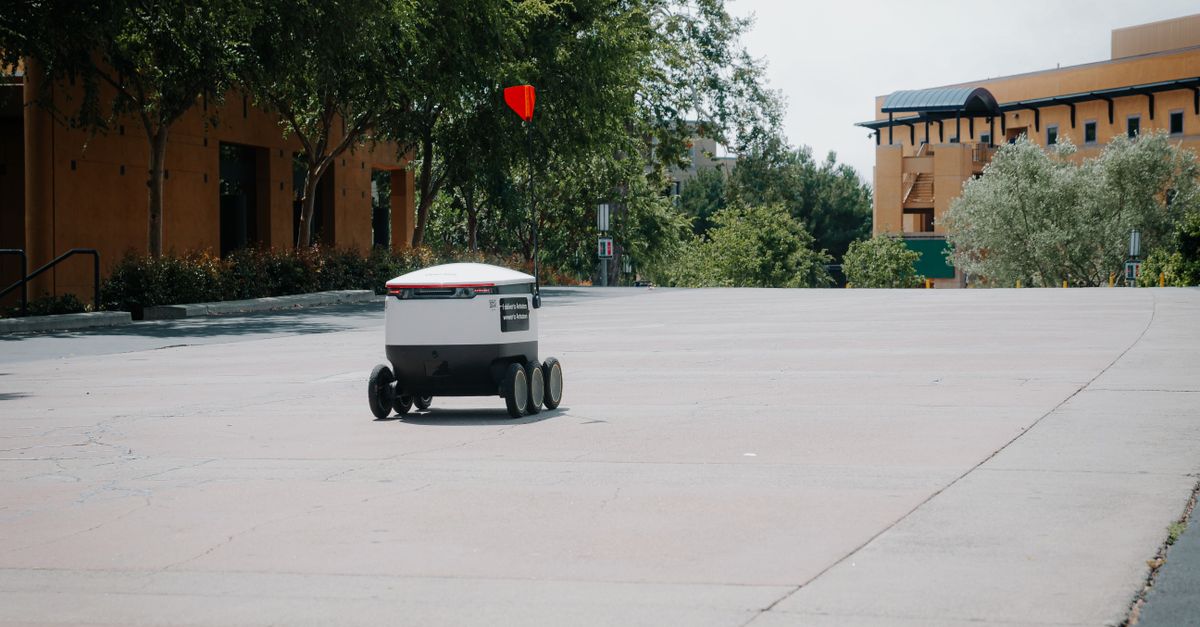
Photo by Kindel Media on Pexels
Robotaxis reveal a labor blind spot
Robotaxis are cutting commuter time but deepening labor gaps. TechCrunch Mobility flagged the hidden human cost of these driverless fleets, noting that displaced workers face uncertain re‑skilling pathways.123 The column cited real‑world deployments in major cities and warned that the savings on labor are not evenly distributed.12345 The piece did not claim a universal outcome, but it highlighted a pattern that repeats whenever autonomous systems replace human tasks.
Caterpillar’s shift mirrors the robotaxi trend. After decades of deploying autonomous haul trucks at remote mines, the equipment giant is now applying that playbook to AI software rollout.678 The company’s statement emphasized that lessons from mining automation inform its new AI services, suggesting a cross‑industry template for scaling autonomy.678 The move signals that firms with legacy automation experience are accelerating AI adoption, often without a clear roadmap for the workers displaced by those systems.
Nvidia’s recent data‑center announcement adds another layer. The firm described a new generation of servers that rely on smarter traffic control rather than raw processor cycles to boost efficiency. The shift away from sheer compute power toward orchestration mirrors the broader trend of extracting more work from existing hardware. Nvidia did not disclose performance metrics, but the claim underscores a strategic pivot that could pressure rivals to adopt similar traffic‑management architectures.
Mining automation meets enterprise AI
Caterpillar’s autonomous mining fleet has run for years in isolated sites, moving ore without human operators.68 The company’s press release framed that history as a springboard for broader AI deployment across its product line.678 By repurposing the same sensor stacks and decision engines, Caterpillar hopes to offer AI tools that can predict equipment failure and optimize maintenance schedules for construction customers.678
The transition raises a trade‑off. While predictive analytics promise higher uptime, they also reduce the need for on‑site technicians who traditionally performed manual inspections. Sources at the firm acknowledge that reskilling programs are in early stages, leaving a gap between the technology rollout and workforce readiness.78 The situation echoes earlier robotaxi rollouts where driver retraining lagged behind vehicle deployment.2
Industry analysts note that Caterpillar’s move could set a precedent for other heavy‑equipment manufacturers. If the AI services prove profitable, competitors may follow suit, amplifying the labor displacement effect across sectors that rely on field technicians.6 The pattern suggests that automation gains are increasingly measured in software licenses rather than new hardware sales.
Data‑center robots and personal LLMs
Meta is testing robots inside its own data centers, assigning them tasks that human technicians usually perform. The test program, described by Ars Technica, focuses on routine cable management and hardware swaps. Meta frames the effort as a way to reduce human exposure to repetitive strain and to free engineers for higher‑level work. No rollout timeline was given, and the article noted that the robots are still in a trial phase.
At the same time, Nvidia’s traffic‑control focus reshapes how data‑center workloads are scheduled. By directing workloads more intelligently, the company claims to squeeze more AI inference out of existing GPUs. The approach reduces the need for additional hardware purchases, potentially lowering capital expenditures for firms that run large language models.
For end users, the privacy angle surfaces in WIRED’s guide to running a chatbot on a personal computer. The article explained that installing a large language model locally gives users a digital assistant that does not send data to cloud providers. While the guide highlighted privacy benefits, it also warned that local inference demands significant RAM and storage, limiting adoption to power users. The piece illustrates how the same AI engines that power data‑center fleets also appear in consumer‑level experiments, blurring the line between enterprise and personal deployment.
Consumer UI tweaks hint at broader AI integration
Android 17 QPR2 added status‑bar customization for notification and system icons in its Beta 4 release, according to 9to5Google. The update lets users rearrange icons and adjust visibility, a small but notable shift toward more granular control of on‑screen elements. While the change is not AI‑specific, it reflects a broader trend of giving users finer control over the software that increasingly mediates AI interactions.
The UI tweak arrives as mobile platforms become entry points for AI services, from voice assistants to on‑device translation. By exposing more settings, Google may be preparing users for future features that require explicit consent or configuration, such as local LLM inference or edge‑based image analysis. The move underscores how even minor UI updates can signal readiness for deeper AI integration.
What to watch: regulators are beginning to scrutinize the labor impact of autonomous fleets, with several city councils proposing reporting requirements for driver displacement. Keep an eye on Caterpillar’s AI‑service launch schedule and Meta’s robot trial results, as both will indicate how quickly large firms move from pilots to production.78 Finally, monitor Android’s next beta for any AI‑related permission changes, which could reveal how mobile OSes will manage on‑device models in the coming year.
Footnotes
Related Articles

Amazon blocks Meta’s Muse spotlighting AI world‑model secrecy
Meta’s Muse AI agent was barred from Amazon’s store after the retailer flagged privacy and security concerns, underscoring the opaque tactics of world‑model firms.

Laya runs offline on M4, ChatGPT tracks ads
New offline inference benchmarks, cross‑site data collection, and rescue services raise fresh questions for AI developers.

Snap Plans, Communick, and AI Wedding Tools Show Niche Shift
Snap adds in‑person planning to its app, while privacy‑first host Communick and AI‑driven wedding designer launch services that target niche social needs.