

Google’s Flow avatars make personal deepfakes a click away

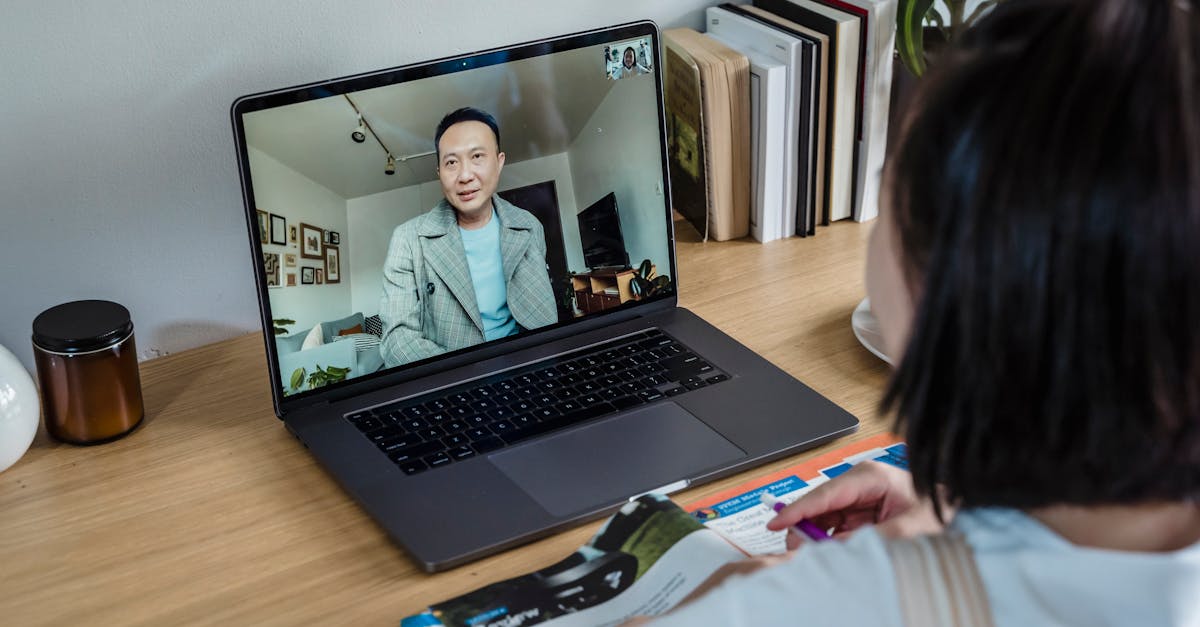
Photo by Annushka Ahuja on Pexels
Google’s new Flow avatars
Google rolled out a fresh version of its Flow platform that adds a video model capable of turning a single selfie into a moving avatar. The feature, simply called avatars, lets users upload a portrait and receive a short clip where the subject appears to speak or react. The rollout replaces the older static‑image focus of Flow with a multimodal engine that can generate motion without any manual keyframing.
The change matters because it lowers the technical barrier to creating synthetic video. Previously, producing a convincing deepfake required stitching together multiple tools, a fair amount of GPU time, and a decent grasp of computer‑vision pipelines. With Flow’s avatars, a user can generate a personalized clip in a matter of seconds, using the same cloud‑based interface that powers Google’s other generative projects.
Beyond photos: the rise of AI image editing in Google Pics
Google’s companion app, Google Pics, landed earlier this year as an AI‑powered image editor. It does not aim to replace Photoshop, but it offers a set of generative tools that sit on top of the photo library most Android users already have. Users can prompt the model to remove objects, replace backgrounds, or enhance lighting with a single text command.
The real hook is the integration with Google’s Gemini model, which powers the image generation behind the scenes. While the app’s feature set is modest compared to professional suites, it is a step toward making generative edits a default part of everyday photo management. For a user who spends hours curating images on their phone, the ability to ask an AI to “make the sky bluer” feels like a productivity boost, not a novelty.
Deepfake concerns and the ease of synthetic video
The convenience of Flow avatars raises a red flag for security experts. A tool that can turn a static selfie into a talking clip makes it trivial for malicious actors to impersonate individuals in video calls, social media posts, or even political messaging. The technology itself is neutral, but the lowered entry cost expands the pool of potential abusers.
Google has not detailed any built‑in safeguards for the avatar feature. In the past, the company has added watermarks to some of its generative outputs, but the current rollout does not mention any provenance markers. Without clear attribution, a generated clip could be passed off as genuine footage, complicating efforts to verify video authenticity in a world already saturated with synthetic media.
Industry response and the broader AI tool race
Google is not the first to embed video synthesis in a consumer‑facing product. Competitors such as Meta and Adobe have been experimenting with similar capabilities, often wrapped in more restrictive ecosystems. Google’s decision to surface the feature in a publicly accessible app signals a willingness to let the market decide how far the technology should go.
The move also aligns with a broader trend: AI‑generated content is shifting from niche research demos to integrated workflow tools. From code assistants to text‑to‑image generators, the ecosystem is maturing into a suite of utilities that developers and end users treat as extensions of their daily software stack. Google’s dual push—Flow avatars for video and Pics for image editing—shows the company betting on breadth rather than depth, hoping to capture the low‑friction use cases that drive mass adoption.
What to watch
The next few months will reveal whether Google layers any verification or watermarking into Flow avatars. Watch for updates to the platform’s terms of service, especially clauses that address misuse. Additionally, monitor policy statements from regulators and industry groups that may propose standards for synthetic media attribution. The balance between creative freedom and security will shape how tools like Flow and Pics evolve, and the decisions Google makes now will set a precedent for the rest of the AI‑generated content market.
Updates
- 2026-08-31 — Debian won’t ban AI code from its Linux distribution (source)
Related Articles

Googlebook challenges Apple’s retail play as Mac Studio prices
Google’s $899 AI‑native laptop and Apple’s store‑first philosophy clash amid rising component costs and AI‑driven hardware bets.
Google adds AI to Android with Health 5.08 and Find Hub update
Google rolls out Health 5.08 and a Gemini‑powered Remembered tab in Find Hub, tightening AI across Android.
Google pushes AI across Workspace, Pixel, and Messaging
Google adds AI-driven fantasy football coaching, upgrades Gemini in Workspace, ships a Pixel 11 security patch, and folds Keep Notes into Messages.