

Tech Falls Short


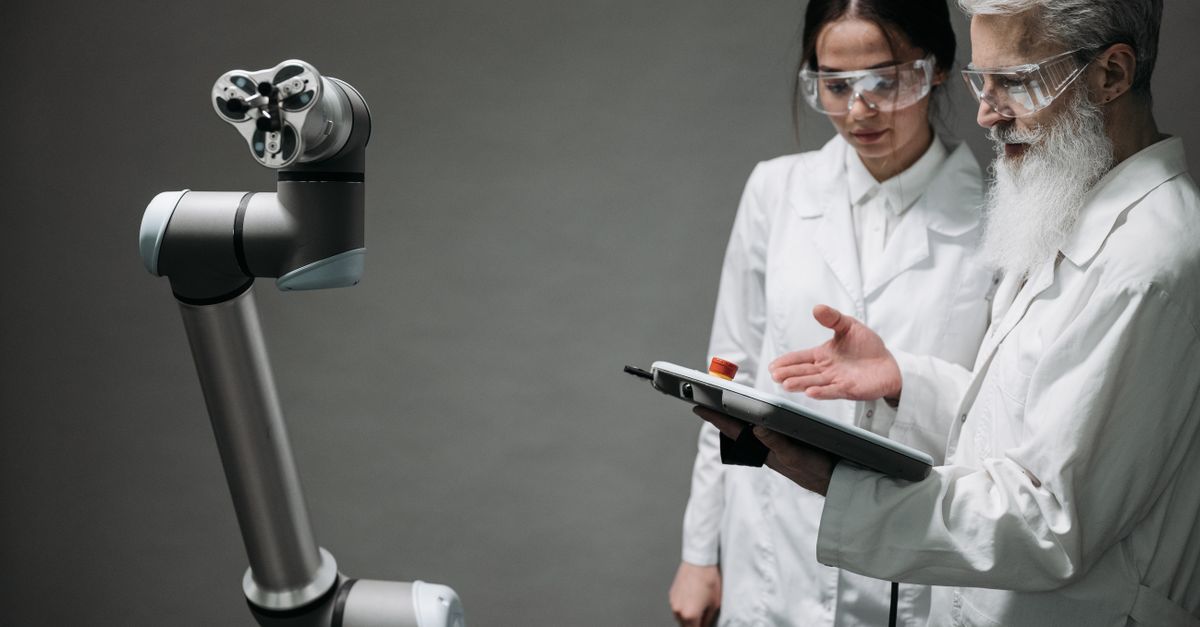
Photo by Alex Knight on Pexels
Introduction to the Problem
The world is facing numerous challenges, from climate change to social inequality, yet science and innovation seem to be falling short in addressing these issues. A recent study found that global science research serves the needs of the Global North and is driven by the values and interests of a small number of companies, governments, and funding bodies.
According to the study, research and innovation around the world are not focused on meeting the UN’s Sustainable Development Goals, which are a framework set up to address and drive change across all areas of social justice and environmental issues. The report found that 60-80% of published research and 95-98% of innovation activity are not related to the SDGs.
The Imbalance in Research and Innovation
The imbalance in research and innovation is evident in the fact that 80% of SDG-related inventions in high-income countries were concentrated in just six countries, with the United States alone developing 47% of such inventions. This raises concerns about the effectiveness of global science and innovation in addressing the world’s most pressing issues.
Moreover, the study found that research in high-income and middle-income countries contributes disproportionately to a disconnect with the SDGs. Most published research and innovation activity is not related to the SDGs, and the research shows that most high-income countries do not prioritize research on the major environmental challenges associated with unsustainable consumption and production patterns.
A Broader Look at Innovation and Technology
To better understand the dynamics at play, it’s essential to consider the broader context of innovation and technology. The development of new technologies and products has historically been driven by the needs and interests of wealthy nations. For example, the creation of the iPhone was driven by Apple’s desire to create a user-friendly, aesthetically pleasing smartphone that would appeal to a wide range of consumers.
However, this approach to innovation can lead to a mismatch between the needs of different regions and communities. For instance, in many parts of the world, access to basic necessities like clean water and healthcare is limited, yet innovation and research are focused on developing new technologies like artificial intelligence and robotics.
The study’s authors argue that the current system of science and innovation is not serving the needs of the global community. The focus on developing new technologies and products for wealthy nations has led to a lack of investment in research and innovation that addresses the world’s most pressing issues.
The Need for a More Democratic Approach
The authors of the study are urging science, technology, and innovation to be made more democratic and more closely aimed at achieving sustainability. This requires a shift in the way research and innovation are prioritized and funded, with a greater emphasis on addressing the world’s most pressing issues.
One potential solution is to increase funding for research and innovation that addresses the SDGs. This could involve governments and funding bodies providing more support for research and innovation that focuses on issues like climate change, social inequality, and access to healthcare.
Lessons from History
Throughout history, companies have successfully discerned untapped or unmet consumer needs and designed products that unlock or reshape markets. Apple’s iPod, for example, simplified the distribution of music and provided a sane pricing model, making it a huge success.
Similarly, the iPhone redefined the smartphone experience with its multi-touch capacitive touchscreen and high-quality display. However, the company’s success is not just due to its technology, but also its ability to select the right new technologies and decide when to incorporate them into a product.
The Importance of Timing and Context
The timing of incorporating new technologies into a product is crucial, and companies must carefully consider the cost, performance, and expected consumer reception. Premium technologies like large flat-panel displays were once exotic but are now common, driving new applications and changing the way we live and work.
What’s Next?
As we look to the future, it’s essential to prioritize research and innovation that addresses the world’s most pressing issues. This requires a more democratic approach to science and technology, with a greater emphasis on sustainability and social responsibility. Companies, governments, and funding bodies must work together to ensure that research and innovation are focused on creating a better future for all.
The recent announcement of Mary Shaw as a recipient of the National Medal of Technology and Innovation is a testament to the importance of recognizing and rewarding individuals who have made significant contributions to science and innovation. Shaw’s work on software architecture has helped establish it as a recognized discipline, and her educational innovations have made a lasting impact on the field of computer science.
Downstream Implications
The study’s findings have significant implications for the future of science and innovation. If research and innovation continue to be driven by the interests of a small number of companies, governments, and funding bodies, it’s unlikely that the world’s most pressing issues will be addressed.
However, by prioritizing a more democratic approach to science and technology, we can create a better future for all. This will require a fundamental shift in the way research and innovation are prioritized and funded, but the potential rewards are substantial.
In conclusion, the current system of science and innovation is not serving the needs of the global community. It’s time for a change. We need to prioritize research and innovation that addresses the world’s most pressing issues, and we need to do it now.
Updates
- 2026-08-27 — Plaud is launching AI earbuds (source)
- 2026-08-09 — The Pixel 11 won’t be exciting – what do you want next year? (source)
- 2026-05-15 — Tesla Reveals New Details About Robotaxi Crashes—and the Humans Involved (source)
- 2026-05-14 — Cisco announces record revenue and 4,000 layoffs in the same day (source)
Related Articles
AI Reasoning and Crowdfunding Redefine How Science Gets Done
New AI tools and a science‑focused crowdfunding platform are shaking up research funding and execution, from mouse brain studies to quantum‑grade calculations.
Boggle Boards, Snail Eyes, and Ancient Secrets
From a record‑setting Boggle board to snails that regrow eyes, new research reshapes quirky corners of science.

WIRED Finds 15 Ergonomic Office Chairs
WIRED’s latest reviews of office chairs, organic mattresses, and stainless‑steel water filters reveal a clear move toward ergonomics and eco‑friendly design.