

China’s EV surge strains battery recycling chains

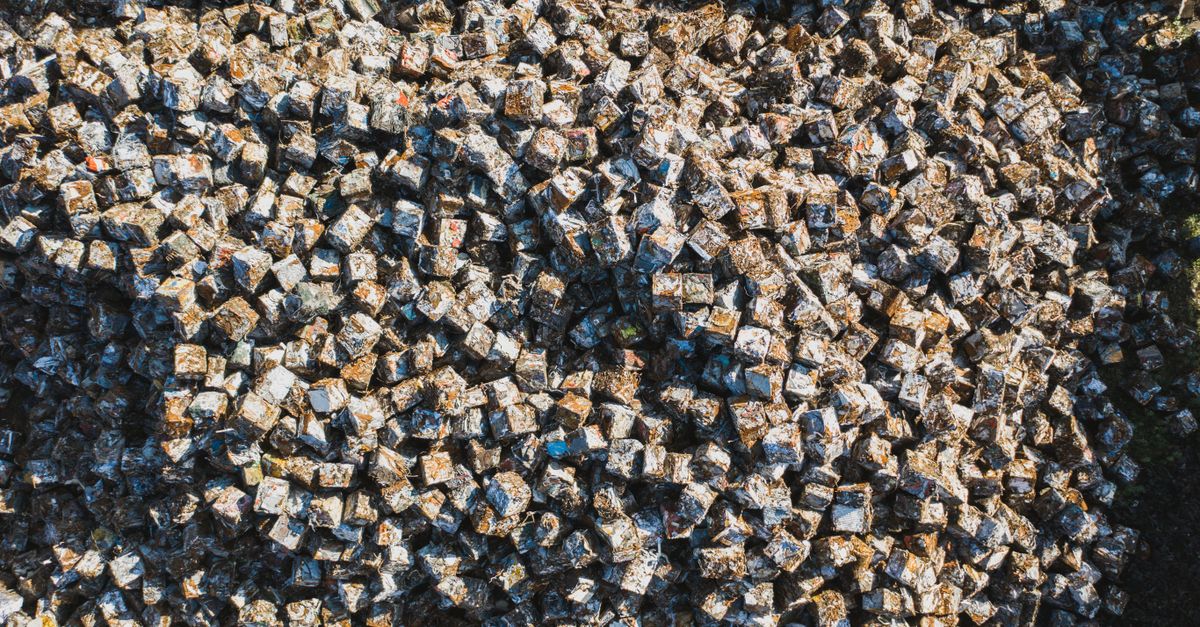
Photo by Radek Przybyłek on Pexels
China’s Battery Backlog
China’s electric‑vehicle market is expanding at a pace that outstrips the capacity of its recycling sector. WIRED notes that a growing number of EVs are reaching the end of their life, creating a surge of batteries that waste‑management firms have not yet accommodated. The mismatch between vehicle turnover and recycling infrastructure threatens to turn a climate win into a new pollution problem.
The scale of the issue is evident in the volume of spent packs piling up at collection points. While the article does not provide exact figures, the language “more EVs reaching the end of their life” signals a systemic pressure point. The lag is not merely logistical; it reflects a regulatory gap that leaves manufacturers and municipalities scrambling to define standards for safe, efficient recovery.
Recycling Infrastructure Lags
China’s waste‑management companies are still calibrating their operations to handle lithium‑ion packs at scale. The WIRED piece points out that the industry “has yet to catch up to the new reality,” implying that existing facilities were designed for far lower throughput. Without dedicated facilities, batteries risk improper disposal, which can release toxic chemicals into soil and water.
In contrast, consumer‑level guidance on handling smaller e‑waste items is already circulating. Engadget’s short guide on USB‑C cables urges owners to declutter drawers and recycle surplus cords, emphasizing that “you don’t need that many.” While the advice targets low‑tech waste, it underscores a broader cultural shift: individuals are being asked to manage the downstream effects of rapid tech adoption.
Lessons from Past Resource Shifts
History offers cautionary tales when demand outpaces supply chain adaptation. The 1973 oil shock forced governments to rethink fuel distribution and storage, prompting strategic petroleum reserves and tighter fuel efficiency standards. Similarly, the 1996 Telecom Act opened markets to competition but also exposed gaps in spectrum allocation that required new regulatory frameworks.
The automotive sector faced a comparable turning point with the 1970s emissions standards, which spurred the development of catalytic converters and fuel‑system innovations. Those policy responses were anchored in clear metrics and enforceable deadlines—elements currently missing from China’s battery‑recycling roadmap. The absence of a coordinated national mandate risks repeating the pattern of reactive, piecemeal solutions.
Consumer‑Level Mitigation
Amid the systemic shortfall, startups are experimenting with tools that empower shoppers to make greener choices. Softly, a Chrome extension highlighted in a Hacker News post, surfaces product alternatives aligned with user‑specified values such as low carbon footprint, vegan materials, or domestic manufacturing. Its partners include 1% for the Planet, One Tree Planted, and the Female Founders Collaborative, indicating a network of vetted sustainability certifications.
Softly’s approach does not directly address battery waste, but it illustrates a growing appetite for granular, data‑driven sustainability signals. By surfacing certified alternatives, the extension helps curb demand for products that generate hard‑to‑recycle components. If similar platforms began flagging electronics with poor end‑of‑life plans, consumers could steer manufacturers toward more robust take‑back schemes.
What to Watch
Regulators are now faced with a choice: impose mandatory recycling quotas for EV batteries or allow market forces to gradually align capacity. The next quarter will reveal whether the Ministry of Ecology and Environment will publish concrete recovery targets, as analysts expect. Simultaneously, watch for pilot recycling hubs in Guangdong and Jiangsu provinces—early successes could become templates for national rollout.
On the consumer front, adoption metrics for tools like Softly will indicate whether values‑based shopping can scale beyond niche markets. If user engagement spikes, it may pressure e‑commerce platforms to embed recycling information into product listings, creating a feedback loop that nudges manufacturers toward closed‑loop designs.
The coming months will test whether China can translate its EV leadership into a sustainable materials economy, or whether a backlog of dead batteries will erode the environmental gains of electrification.
Related Articles
Ford backs Redwood to close the loop on EV batteries
Ford invests $50 million in Redwood Materials to recycle EV batteries, a move that could reshape the U.S. supply chain amid soaring demand for minerals.

China’s 2026 Green Consumption Push Redefines Home Buying
January 2026 sees China launch a sweeping green‑consumption action plan, reshaping appliances, cars and daily habits for a low‑carbon economy.

Nvidia Manager Indicted Over AI Server Smuggling to China
A senior Nvidia employee faces charges for funneling AI servers through Supermicro to China, exposing gaps in export controls.