

Nvidia Manager Indicted Over AI Server Smuggling to China


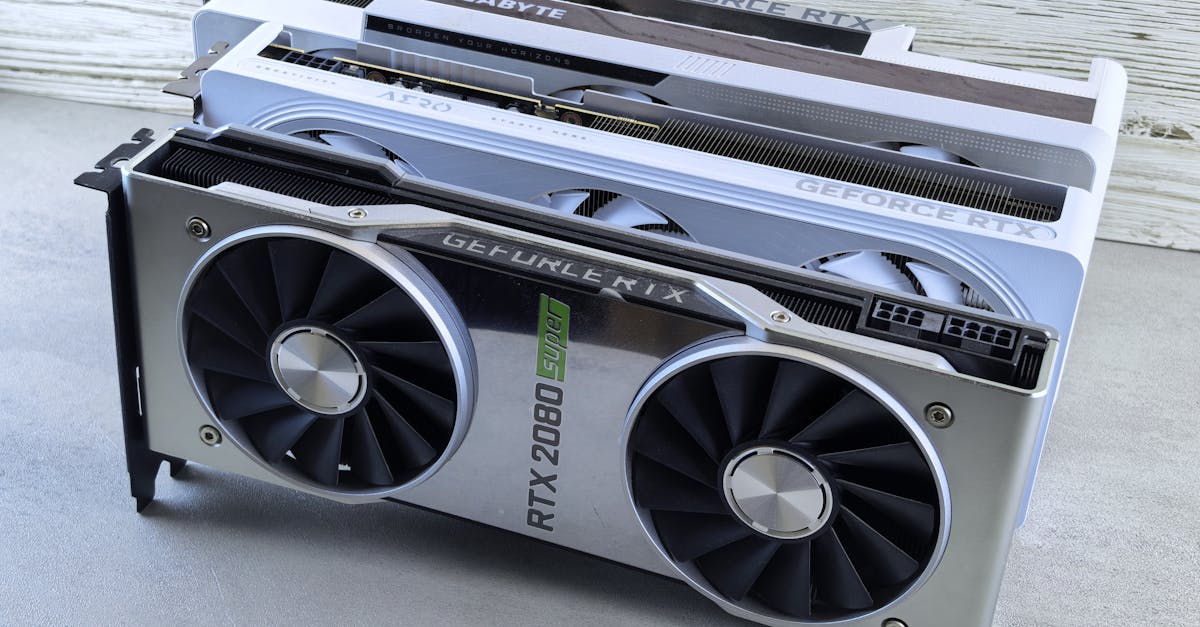
Photo by Jakub Zerdzicki on Pexels
Indictment details
Nvidia senior manager Ming Zhao was indicted this week for participating in a scheme that shipped AI servers to China via Supermicro. The charge stems from a federal complaint that alleges Zhao helped conceal the origin of the hardware and falsified paperwork to bypass export restrictions. Jensen Huang, Nvidia’s CEO, publicly rebuked Supermicro after learning the servers had left the United States without proper licenses. The indictment lists at least three shipments, each containing multiple GPU‑laden servers built to run large language models. The complaint does not disclose the exact number of units, but it references “high‑performance compute” hardware that would be classified under the U.S. Commerce Department’s Category 5 export controls.
Zhao’s role, according to the filing, involved coordinating logistics between Nvidia’s production line and a third‑party freight forwarder. He allegedly approved shipping manifests that listed the servers as “standard” compute equipment, omitting the presence of Nvidia’s H100 GPUs. The indictment also mentions that Supermicro executives were aware of the mislabeling but proceeded to accept the orders, citing pressure to meet quarterly sales targets.
Supply chain mechanics
The smuggling operation exploited a weak link in the hardware supply chain: the final assembly stage at Supermicro’s factories in the United States. Supermicro assembles server chassis, integrates motherboards, and installs GPUs before shipping the finished product. In this case, the servers left the factory with all components installed, making it difficult for customs to spot the high‑end GPUs without detailed inspection. The scheme relied on a “low‑effort” paperwork change rather than sophisticated concealment, a tactic that mirrors past violations in the semiconductor sector.
Industry analysts note that the practice of bundling GPUs into pre‑built servers is common because it simplifies deployment for enterprise customers. However, bundling also creates a single point of failure for export compliance. When a server is classified as a complete system, it can be subject to a different licensing regime than the individual GPUs. The indictment highlights how that distinction was deliberately blurred.
Export control regime
U.S. export controls categorize AI accelerators like Nvidia’s H100 under the Commerce Department’s Entity List, requiring a license for any sale to Chinese end‑users. The rules were tightened in 2023 after concerns that advanced AI chips could accelerate military applications abroad. The current framework distinguishes between “technology” and “equipment,” and the line is often contested in court.
The Zhao case underscores a persistent enforcement gap: agencies can flag shipments, but they rely on accurate documentation from manufacturers. When paperwork misrepresents a product’s capabilities, the system falters. Critics argue that the Commerce Department needs more granular inspection authority for server shipments, but industry groups warn that excessive scrutiny could choke legitimate trade and slow AI research.
Industry reaction and outlook
Nvidia’s board issued a brief statement saying the company “takes compliance seriously” and is reviewing internal processes. Supermicro’s spokesperson expressed “deep regret” and pledged to cooperate with investigators. Neither company disclosed whether any customers were affected or if the servers were returned.
The indictment may trigger a wave of internal audits across the AI hardware sector. Companies that assemble servers for export will likely tighten documentation checks and increase reliance on automated compliance software. Investors are watching for any impact on Nvidia’s quarterly earnings, as the firm continues to dominate the AI GPU market.
What to watch: The next federal court hearing, scheduled for early next month, will reveal whether prosecutors will seek additional charges against Supermicro executives. A follow‑up decision from the Commerce Department on whether to expand the Entity List to include more server manufacturers could reshape the supply chain for AI hardware worldwide.
Related Articles

NVIDIA launches DLSS 5 with NBA 2K27 amid muted enthusiasm
NVIDIA's DLSS 5 arrives on Sep 3 with NBA 2K27, but early analysis questions its impact on performance and adoption.

AI surveillance and export disputes spark legal scrutiny
Flock Safety, NVIDIA, and Amazon face lawsuits and indictments as AI surveillance and data use draw regulatory fire.
Meta, Musk, and the Billion-Dollar Nvidia GPU Hoarding War
Meta stockpiles $10B in H100 GPUs as tech giants weaponize AI hardware. What breaks next?