

Waymo’s robotaxi woes spill from theft to battery reuse

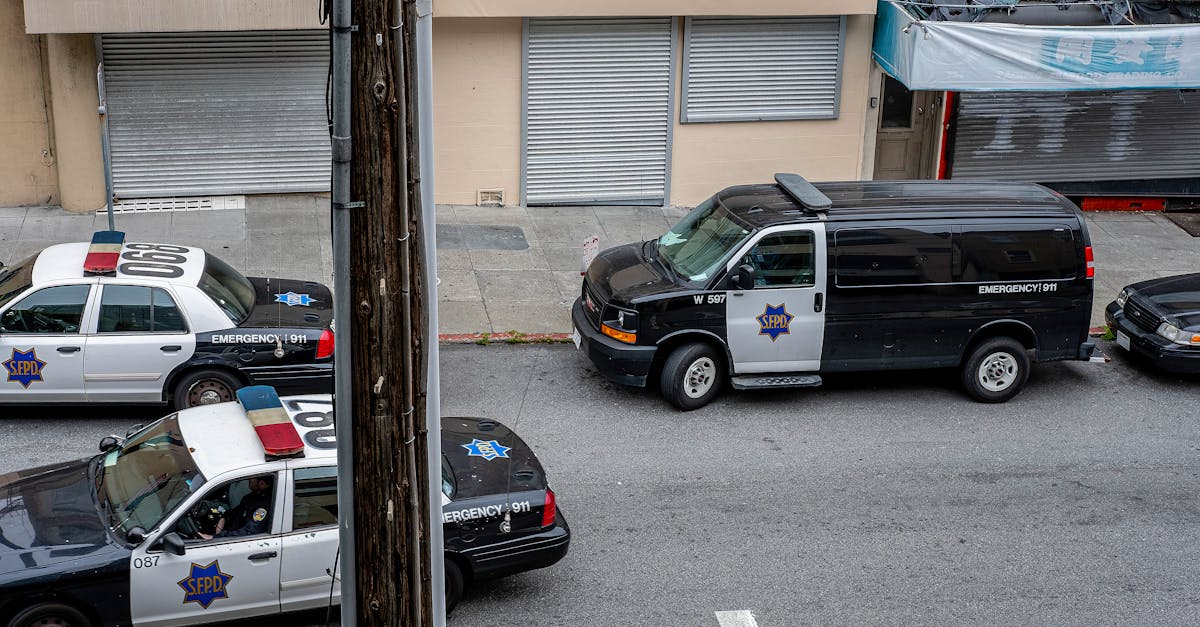
Photo by David McElwee on Pexels
Waymo’s robotaxis get robbed, exposing data gaps
A burglar lifted a pair of yoga pants from a Waymo robotaxi cruising through San Francisco and walked away with the loot. The theft forced Waymo to reveal how its fleet records video from every ride and where that footage lives. The incident shows that the company treats raw sensor streams as a valuable asset, yet it also raises questions about who can access those files and how quickly they can be reviewed when a crime occurs. Waymo’s response was to point to internal policies that archive footage on secure servers and limit external requests. The company did not disclose whether the video helped identify the perpetrator, leaving the public to wonder if the data‑handling practices are robust enough for law‑enforcement needs.
Safety incidents pile up as AVs jam city streets
On Sept. 30 at 11 p.m., a Cruise robotaxi stalled on the tracks of San Francisco’s N‑Line streetcar, holding 140 passengers for seven minutes until a human employee cleared the vehicle. Earlier that spring, another Cruise car blocked a lane needed by a fire engine, delaying the response to a three‑alarm blaze. Waymo’s own fleet has not been immune; last fall dozens of its driverless cars repeatedly turned into a quiet cul‑de‑sac, prompting complaints from residents. California’s reporting rules for autonomous‑vehicle testing are widely regarded as outdated, allowing these disruptions to slip past regulators. The Department of Motor Vehicles issues vehicle permits, while the California Public Utilities Commission grants passenger‑service permits. Both agencies approved the first robotaxi permits for Cruise and Waymo earlier this year, but they have not required detailed incident logs, giving companies little incentive to keep city officials in the loop.
Battery packs find second life as grid storage
Waymo announced a partnership with B2U Storage Solutions to harvest the lithium‑ion packs it pulls from retired robotaxis. The deal will divert those cells from landfill and feed them into stationary storage projects that smooth renewable‑energy output. By repurposing spent batteries, Waymo hopes to offset the environmental cost of its expanding fleet while opening a new revenue stream. The agreement does not disclose how many packs will be collected or the timeline for deployment, but the move signals a broader industry shift toward circular‑economy practices as autonomous fleets scale.
Hyundai’s massive order reshapes Waymo’s fleet strategy
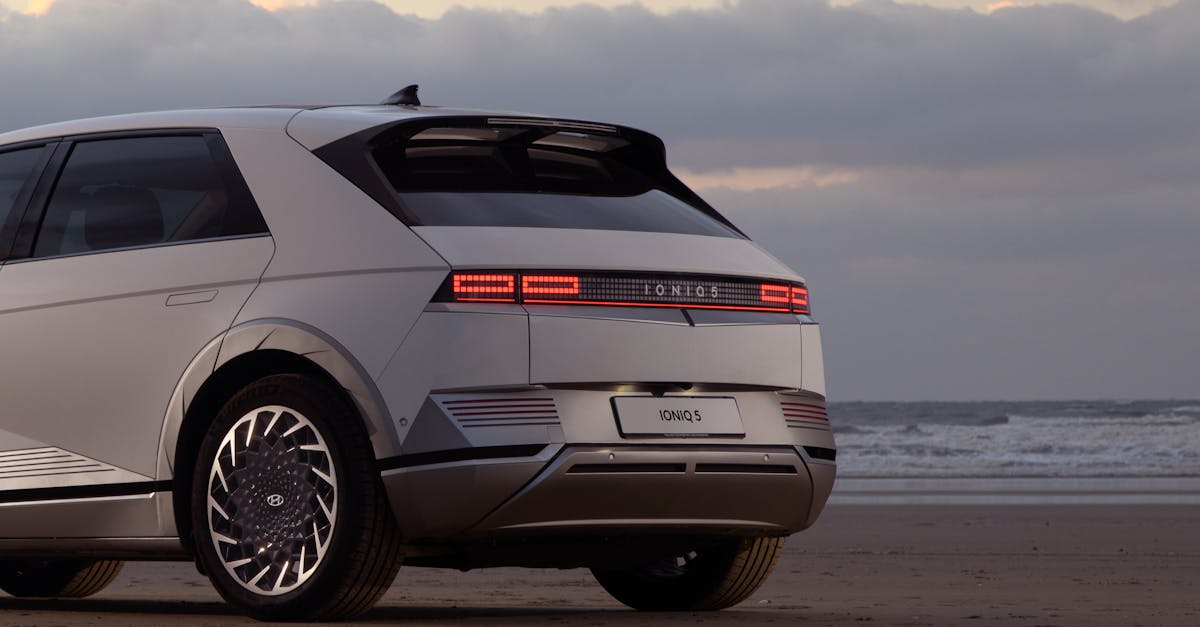
Hyundai Motor is poised to deliver 50,000 IONIQ 5 autonomous vehicles to Waymo by 2028, a contract valued at roughly $2.5 billion at $50,000 per unit. The order arrives as Hyundai battles a 40 % year‑on‑year profit slump in its fourth‑quarter results and a challenging 2026 outlook that calls for 4.16 million vehicle sales and a 6.3 %‑7.3 % operating‑margin target. The IONIQ 5’s 3,000 mm wheelbase, 800 V fast‑charging capability (10 %‑80 % in about 18 minutes), and EV‑focused architecture make it a practical platform for rapid robotaxi turnarounds. For Waymo, the bulk purchase guarantees a standardized chassis that can be retrofitted with its sensor suite, simplifying fleet maintenance as the company expands from Phoenix (its first driverless service in 2018) to Los Angeles, San Francisco, Austin, Nashville (via Lyft, 2025) and Dallas (via AVIS, 2025). The partnership also gives Hyundai a high‑profile validation of its EV line‑up, turning a struggling profit margin into a long‑term growth engine.
What to watch: regulatory pressure and fleet rollout
California lawmakers are drafting tighter AV‑reporting bills after the string of San Francisco incidents, and the CPUC is expected to review its robotaxi permitting process before the next election cycle. Observers will track whether Waymo’s battery‑reuse program scales fast enough to offset the environmental impact of a 50,000‑vehicle fleet, and whether Hyundai can meet Waymo’s delivery cadence without compromising quality. The next data point to watch is the first batch of IONIQ 5s hitting Waymo streets in 2025; its performance will shape the competitive dynamics among the handful of firms likely to dominate autonomous mobility.
Updates
Related Articles
Judge Bars Waymo Overnight Charging After Resident Noise
A Los Angeles judge halted Waymo’s 24‑hour charging in Santa Monica, citing resident sleep disruption and raising questions about autonomous fleet operations.

Waymo finally puts robotaxis on freeways
Waymo resumes freeway robotaxi service in Phoenix, LA and SF after a recall, reshaping its expansion and safety roadmap.
Uber revives own AVs to feed robotaxi partners
Uber puts a Hyundai Ioniq 5 on the road to harvest data for its robotaxi allies, reviving its AV program amid lawsuits and fleet‑only debates.